
10 Print Natural Alternatives for Sustainable Printed Goods in 2026
For Creators & Brands Who Care How Their Merch Is Made


If you’ve spent any time searching through eco-conscious screen-printing platforms, you’ve probably noticed the bar is…kinda low.
Lots of brands say “sustainable,” then quietly print plastisol on random blanks and call it a day.
Print Natural is one of the rare shops that actually obsesses over materials, ink chemistry, and process transparency.
So if you care about responsible merch, it’s a name worth knowing.
In this article, we'll break down what makes Print Natural great when it comes to creating sustainable printed goods, where it can be limiting, and the best Print Natural alternatives to consider if you want more products.
What Is Print Natural?

Print Natural is a U.S.-based sustainable apparel printer that has built its reputation on high-quality screen printing and extremely strict standards for eco-friendly materials and inks.
Their whole thing is: print better, print cleaner, and make the product last, because durability is part of sustainability.
They’re primarily known for using certified organic, water-based inks (and pushing ink innovation way beyond the usual “it’s water-based so it’s fine” marketing).
Though Print Natural is often discussed alongside POD companies, their model is really bulk screen printing + fulfillment options, not “one-off DTG for every order.”
This platform isn’t trying to be the “upload a PNG, sell one tee, wake up to passive income” kind. It’s built for brands and organizations that want premium, eco-forward merch runs.
The kind you’d proudly hand to someone in real life, not the kind that cracks after 30 washes.
What Makes Print Natural Stand Out?
Instead of chasing convenience or mass-market scale, Print Natural is built around materials, process, and long-term quality, even when that means saying no to popular industry shortcuts.
These are the specific choices that separate the platform from most “eco-friendly” printing companies and explain why it attracts brands that care deeply about how their merch is made, not just how fast it ships.
Here’s why it's made a name for itself in sustainable printing:
Certified Organic Inks with Real Innovation Behind Them

Print Natural goes far beyond slapping a “water-based” label on its inks.
They use GOTS-certified organic, vegan inks that meet strict standards like Oeko-Tex Standard 100 Class 1, with durability tested at 8/8 on the Blue Wool Scale, meaning the prints are built to last and not fade out after a few washes.
On top of that, they actively push ink innovation with options like Organic Indigo (plant-based, GOTS-certified) and Rethink Black, a carbon-negative pigment made from reclaimed biosolids designed to reduce pollution and even neutralize PFAS.
This is sustainability engineered at the materials level, not just eco marketing copy.
Screen Printing–first Mindset
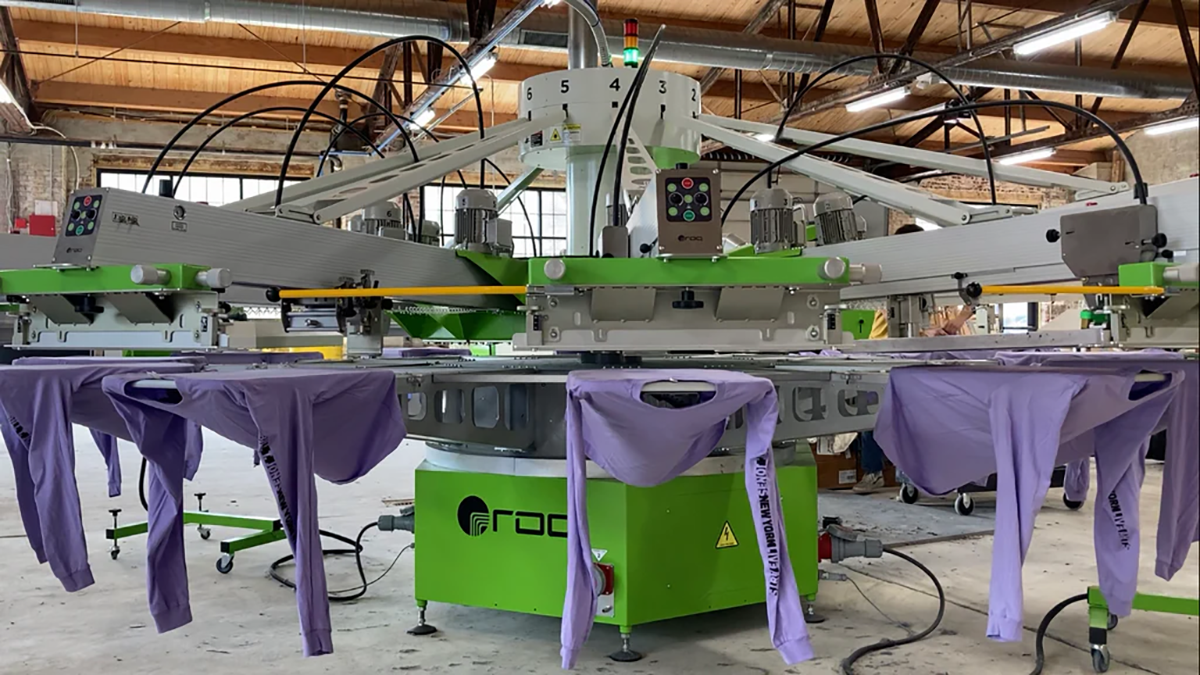
Print Natural treats screen printing as a sustainability feature, not a limitation.
Their belief is simple: the most eco-friendly shirt is the one that doesn’t fall apart or crack after a few dozen washes.
By prioritizing vivid color, soft hand feel, and long-term durability, they intentionally favor fewer, better garments over fast, disposable merch cycles.
Curated Apparel Brands with Sustainability Baked In

Their product catalog leans heavily toward trusted names like Stanley/Stella, Allmade, Econscious, Royal Apparel, and AS Colour.
All of which have documented commitments to ethical manufacturing, organic or recycled materials, and reduced environmental impact.
The result is a tighter, more premium selection that prioritizes sustainability and feel over endless low-quality options.
Fulfillment Options Designed for Bulk Drops, Not Impulse Orders
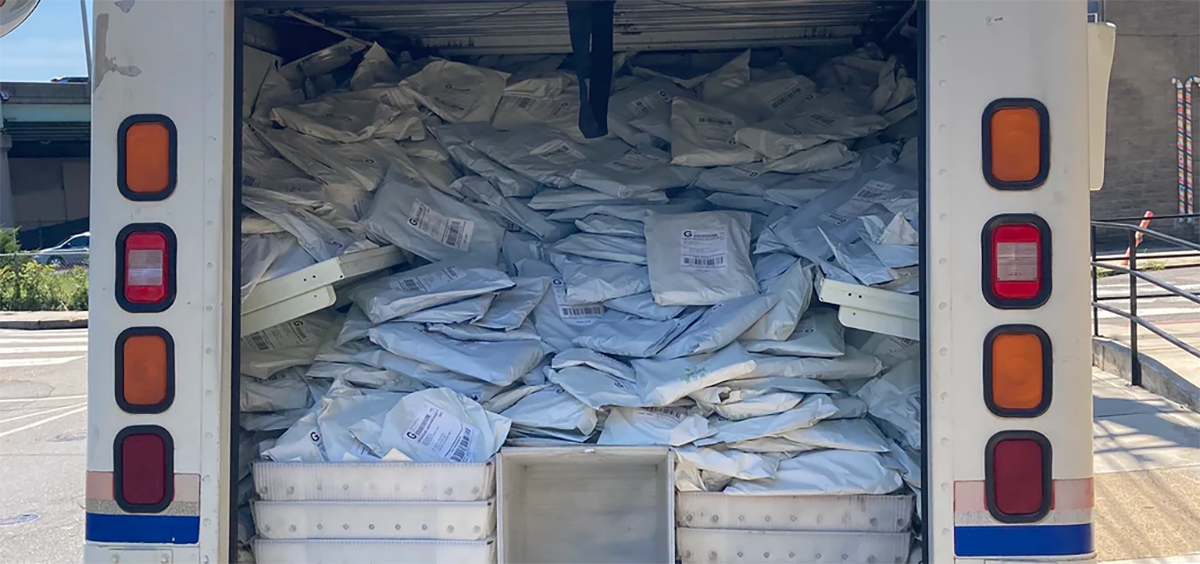
Print Natural’s fulfillment system is built for planned releases like preorders, fundraisers, and merch drops—not impulse one-offs.
They can ship bulk orders as individual packages using recycled or reusable mailers, with transparent pricing like $3 per preorder shipment plus USPS costs.
It’s a setup that works well for organized campaigns, but it assumes you’re planning ahead.
Sample-first, Quote-based Pricing for Serious Production
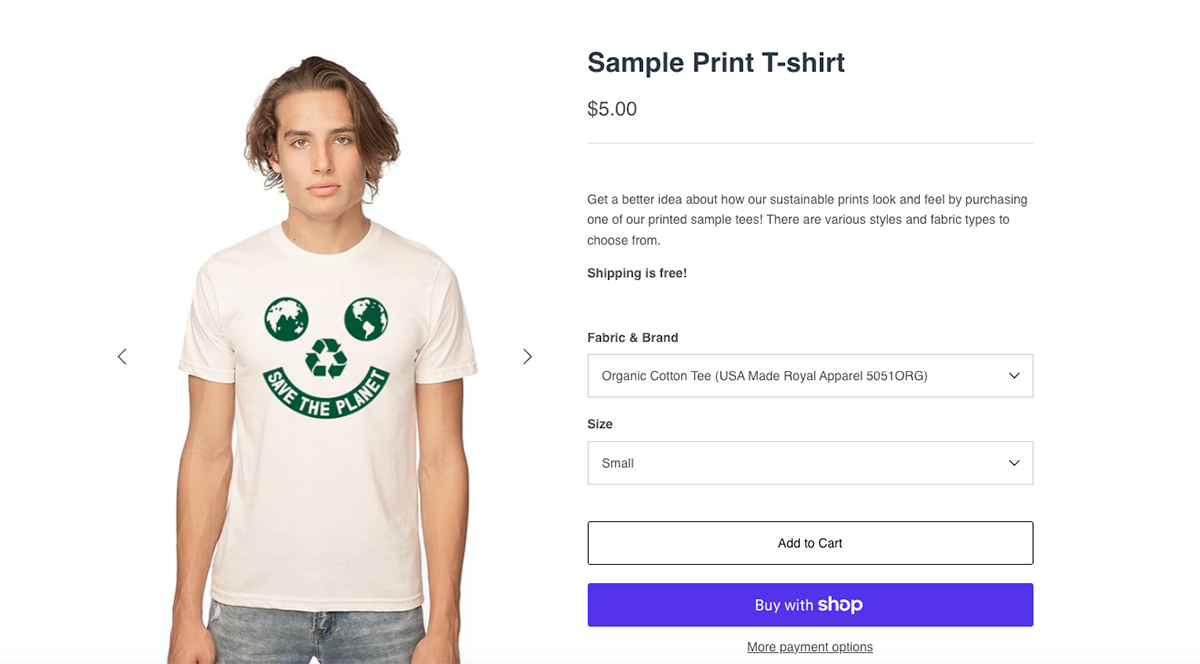
Instead of forcing you into a large order blind, Print Natural offers printed samples for around $5, giving you a real feel for the fabric, ink, and print quality before committing.
Once you’re ready to produce, pricing shifts to a quote-based wholesale model through their custom calculator.
This approach favors intentional production over instant checkout, aligning with their quality-first philosophy but potentially making it feel slower than typical POD platforms.
Why You Might Want a Print Natural Alternative
For as unapologetic as the platform is for doing things the hard, responsible way, that same commitment can clash with how many creators and modern POD brands actually operate.
In an economy driven by rapid testing, low-risk launches, and always-on selling, a slower, more deliberate production model can feel restrictive.
That’s where Print Natural’s strengths start to double as trade-offs, depending on how you run your business.
🛒 Limited Flexibility for Modern Print-on-Demand Creator Workflows
Print Natural’s minimums and screen printing process make it a tough fit for creators who rely on one-off sales, rapid design testing, or frequent micro-drops.
While this approach is intentional (designed to reduce waste and prevent overproduction), it eliminates the DTG-style “print one shirt” flexibility that many POD companies offer.
On top of that, Print Natural isn’t built as a full creator commerce hub, so there’s no native storefront, product mockups, memberships, or fan tools baked in.
If you’re looking for an all-in-one platform to sell eco-friendly products at scale, you’ll likely need to layer multiple tools to make it work.
👕 Smaller Product Range Compared to Other Companies
Print Natural’s catalog is intentionally curated around sustainable apparel, organic cotton garments, and responsibly sourced fabrics.
That’s great for eco-conscious brands, but limiting if you want variety like wall art, drinkware, stickers, or mixed-material custom products.
Larger fulfillment and POD platforms often offer broader catalogs that include recycled polyester blends, accessories, and non-apparel items.
🌎 Global Scaling is Harder Without Distributed Production
While Print Natural can ship internationally, production is still centralized, which can increase shipping time and costs and increase the overall environmental footprint.
If your goal is to produce closer to customers to lower emissions and reduce environmental impact, a distributed network like Gelato may be a better fit.
Localized production can have a real impact on print logistics, carbon footprint, and delivery speed.
💸 Eco Standards Often Mean Higher Per-unit Costs
Using certified inks, organic fabrics, ethical sourcing, and sustainable production methods isn’t cheap, and Print Natural doesn’t pretend otherwise.
If your audience is highly price-sensitive, higher unit costs can squeeze margins or limit scalability.
Platforms with broader pricing tiers and a mix of sustainable materials often offer more flexibility for growing brands.
Overall Thoughts
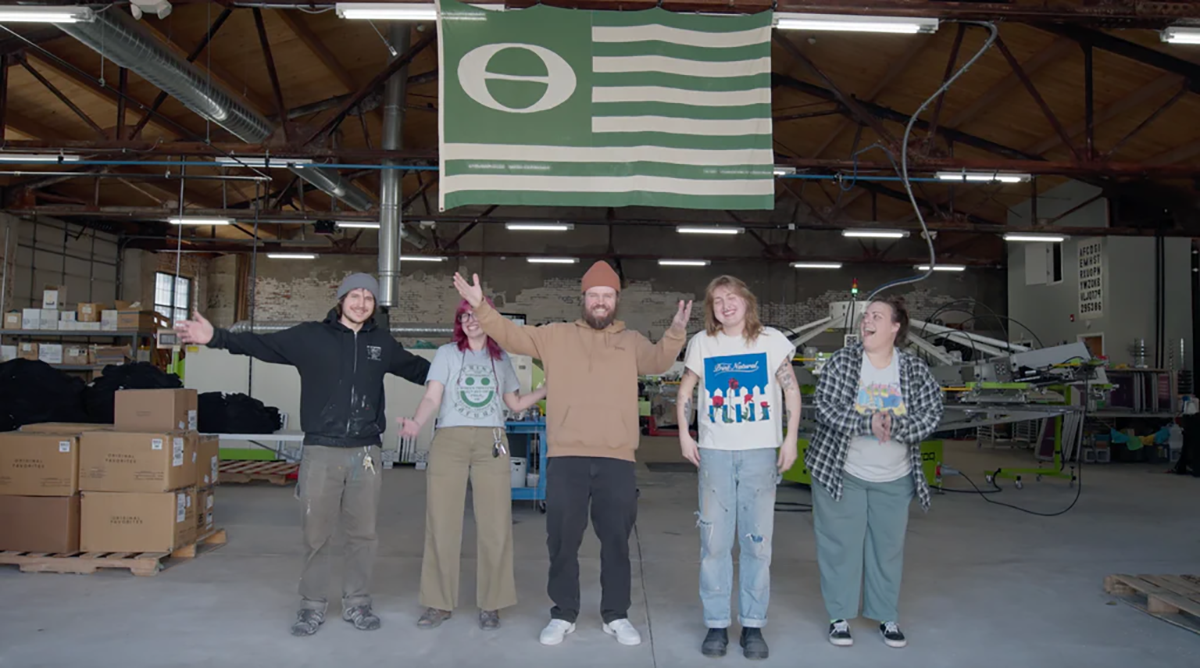
Not every merch platform is willing to slow down, say no to shortcuts, and build sustainability into the product itself.
Print Natural’s commitment to certified organic inks, ethical sourcing, and screen-printing longevity demonstrates a deep understanding of how sustainability works in practice—not just in marketing language.
For organizations, fashion labels, activist groups, and creators running planned drops or preorders, Print Natural delivers garments that feel premium, intentional, and built to last.
The transparency around their process, limitations, and environmental impact builds trust and sets them apart from many so-called sustainable printers.
That said, Print Natural isn’t optimized for speed, experimentation, or scaling.
Minimums, quote-based pricing, and a production-first workflow can slow down creators who want to test designs quickly or sell continuously.
Overall, it’s an excellent platform for thoughtful, high-quality eco-apparel, but not the easiest tool for creators and brands looking for flexibility and rapid growth.
Top Print Natural Alternatives for Sustainable Printed Goods
Below are 10 strong alternatives (including creator-first platforms, eco-focused POD, and premium custom manufacturers).
Each one brings something different, whether it's bigger catalogs, better global logistics, or better eCommerce tooling.
1. Fourthwall
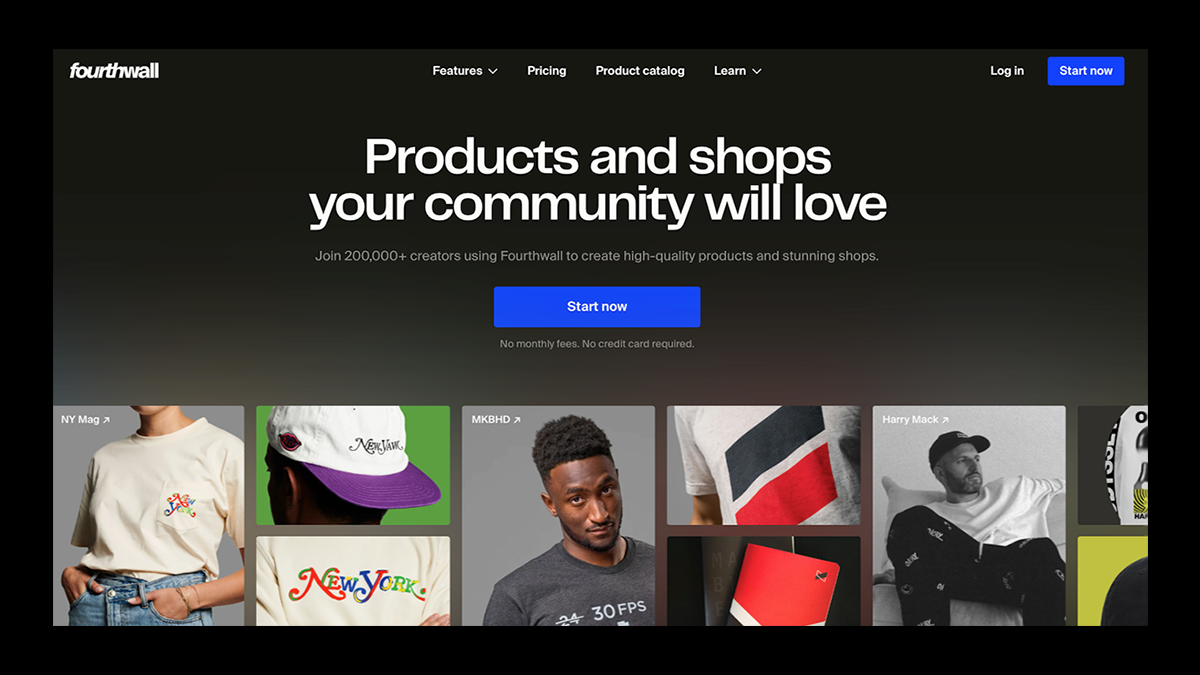
Fourthwall doesn’t just help you print merch—it gives you a business engine that happens to include eco-friendly products.
Built for brands and creatives, Fourthwall blends sustainable apparel options with real print-on-demand flexibility, letting you sell without minimums while still choosing organic cotton, recycled materials, and responsibly made products.
Instead of locking you into bulk runs or slow workflows, it lets you move at creator speed: test designs, launch drops instantly, and scale what works.
Where Fourthwall really separates itself is everything around the merch. You get a fully branded storefront, modern design and mockup tools, built-in email marketing, and monetization features like digital downloads, memberships, and donations—all under one roof.
With support for multiple print methods (DTG, DTF, screen printing, sublimation, UV printing, and embroidery) and fast global fulfillment, creators can grow without sacrificing quality or control.
For anyone who wants eco-conscious options and a platform that actually helps them earn, Fourthwall is the clear step up.
💰 Pricing
- Free Plan: $0/month — No platform fee on physical products, 5% fee on digital sales and memberships, access to all core features.
- Pro Plan: $19/month or $180/year — 0% fee on digital sales, free .store domain, $10 monthly sample credit, advanced analytics, unlimited team members, and priority support.
✅ Pros
- Full storefront builder with complete branding control
- Large catalog of physical, digital, and eco-friendly products
- No minimums—ideal for testing designs and running micro-drops
- Multiple monetization streams (merch, memberships, digital products, donations)
- High-quality 3D mockups and modern design tools
- Integrations with YouTube Merch Shelf, TikTok Shop, and Twitch Gifting
- Built-in email tools and marketing automation
- Fast global fulfillment across multiple regions
❌ Cons
- Not a sustainability-only platform by default
- Eco impact depends on product and material choices
- No organic discovery marketplace
2. TPOP
TPOP focuses on eliminating plastic entirely, running production with renewable energy, and offering a POD workflow that still feels simple and accessible for small brands and solo creators.
Its catalog leans into organic cotton apparel, recycled textiles, reusable accessories, and select eco-conscious home goods, giving sellers a curated yet genuinely sustainable lineup.
Prints are produced using vegan, water-based inks that meet OEKO-TEX ECO PASSPORT and GOTS 5.0 standards, which helps brands confidently communicate their environmental impact.
Add in a built-in storefront builder that’s SEO-ready (no Shopify required), and TPOP becomes an appealing option for creators who want sustainability baked into every step without managing a custom supply chain.
💰 Pricing
- Free Plan: €0/month — Full POD catalog access, built-in store builder, no commissions on sales.
- Unlimited Plan: €30/month — Up to 1,000 product creations, advanced CMS tools, and AI-powered features.
- Business Plan: €70/month — Unlimited products, advanced branding tools, bulk management features, and premium support.
- Enterprise: Custom pricing — Tailored solutions for larger brands and high-volume sellers.
✅ Pros
- Zero-plastic shipping with recycled or FSC-certified packaging
- Strong eco-first positioning with organic cotton and recycled materials
- Vegan, water-based inks that meet strict sustainability certifications
- Built-in storefront builder
- Branding extras like custom packing slips and invoices
- Reliable fulfillment across Europe
❌ Cons
- Smaller product catalog compared to massive global POD platforms
- Shipping outside the EU can be slower and more expensive
- Design tools and mockup options are more limited than creator-first platforms
3. Teemill
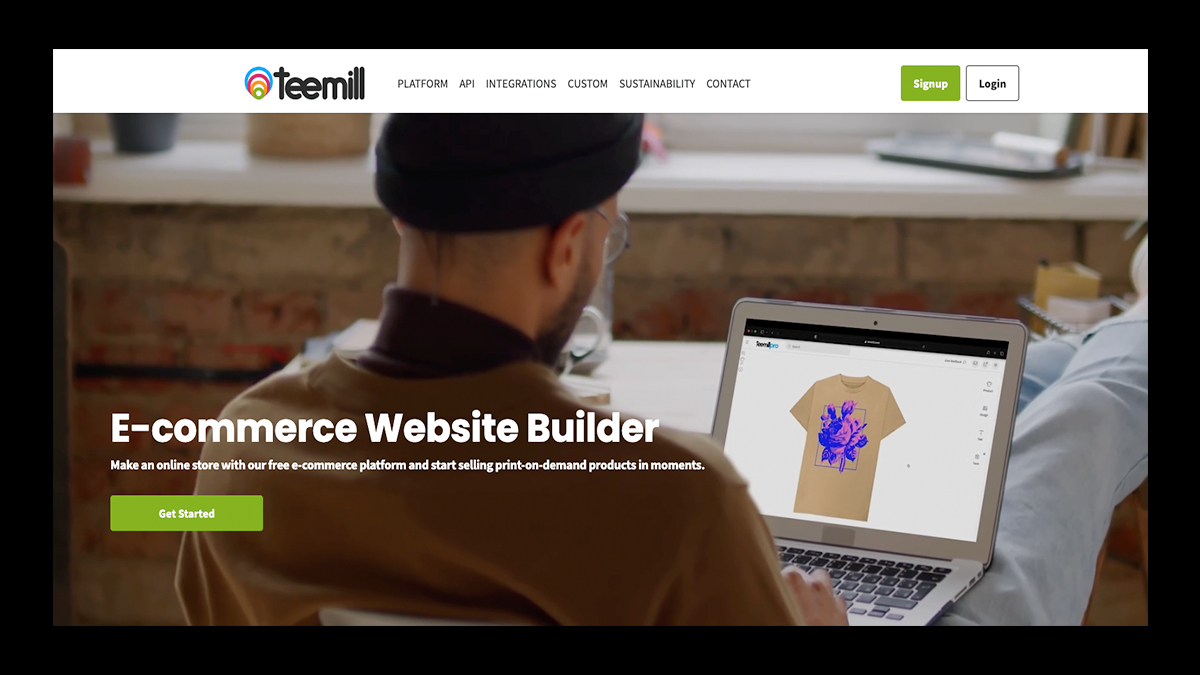
This UK-based platform is widely considered the poster child of circular fashion in print-on-demand, with a mission to reduce waste, eliminate excess inventory, and keep materials in continuous use.
Everything Teemill produces is designed to minimize environmental impact, from organic fabrics to renewable-energy-powered factories, making sustainability the default, not an optional upgrade.
It combines eco-conscious production with a built-in store builder, integrated fulfillment, and pay-as-you-go pricing, allowing sellers to launch and scale without bulk orders or inventory risk.
Their catalog focuses primarily on apparel and accessories, making it a strong choice for apparel-led brands that want sustainability to be their core brand story, not just a bullet point on a product page.
💰 Pricing
- Free to Use: $0/month — No subscription fees; pay only for products when they sell.
✅ Pros
- Strong sustainability-first brand identity rooted in circular fashion
- Organic cotton garments and low-impact materials across the catalog
- Renewable-energy-powered production facilities
- Closed-loop recycling system that keeps textiles out of landfills
- Built-in store builder and integrated POD fulfillment
- No inventory, no bulk ordering, and low barrier to entry
❌ Cons
- Product catalog is heavily apparel-focused, with limited expansion beyond that
- Higher base product costs due to organic materials and circular production
- Less flexibility for deep branding, custom packaging, or inserts
- UK-centric fulfillment can slow shipping for non-European customers
4. Eco Merch
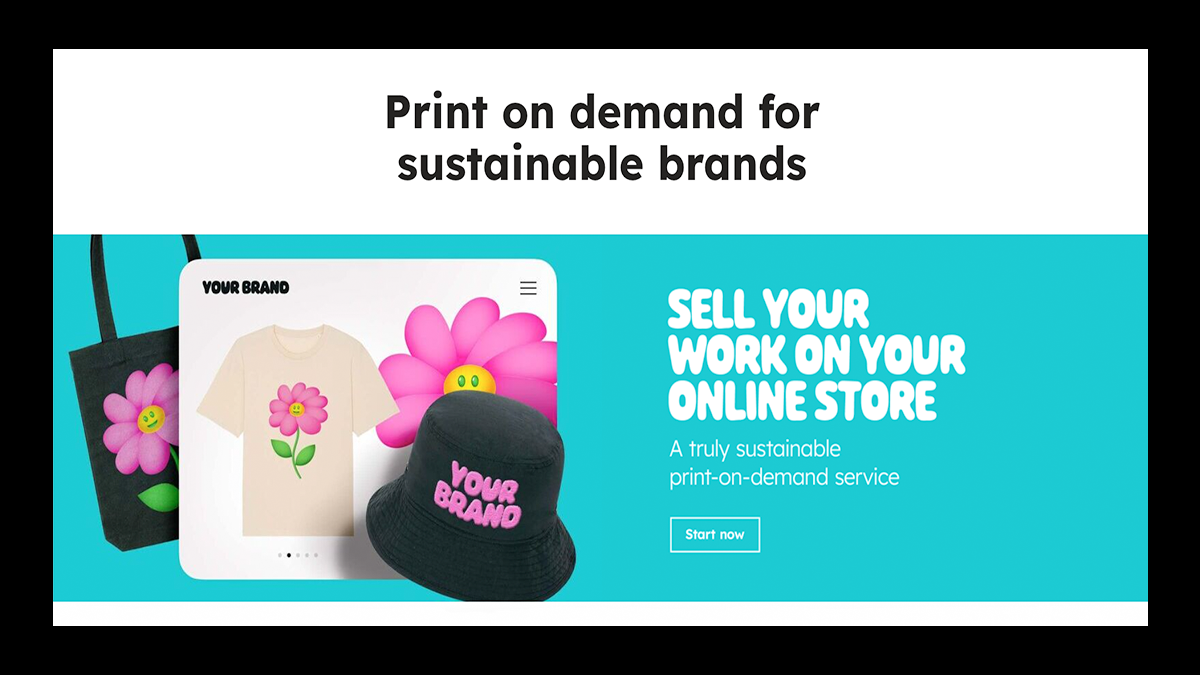
Eco Merch is one of the closest alternatives to Print Natural for brands that want sustainability to be non-negotiable, not optional.
Every product is made using organic cotton or recycled materials, printed with 100% water-based inks, and backed by certifications like GOTS, GRS, and Fair Wear—no virgin plastics, no toxic shortcuts.
The catalog features ethically sourced apparel from brands like Stanley/Stella and AWDis, paired with eco-forward packaging, including compostable swing tags, organic cotton labels, and recycled mailers.
While pricing is a bit higher and the catalog is minimal compared to other platforms, Eco Merch is ideal for brands that want sustainability to be obvious the moment their merch arrives.
💰 Pricing
- Free Plan: $0/month — No signup or monthly fees. Full access to the sustainable catalog, branding extras, eco packaging, and integrations with Shopify, Etsy, WooCommerce, and API.
✅ Pros
- 100% organic, recycled, and vegan-certified materials across the catalog
- Uses only water-based inks and avoids virgin plastics entirely
- Carbon-positive production studio with a zero-landfill waste policy
- Eco packaging included by default (organic labels, compostable tags, recycled tissue)
- Supports screen printing, embroidery, DTG, and DTF
- Seamless integrations with Shopify, Etsy, WooCommerce, and API
- Sustainability is front-and-center in both production and presentation
❌ Cons
- Higher base costs due to premium sustainable materials
- Smaller catalog compared to massive POD platforms
- Fulfillment is primarily focused on the UK and the EU
- Fewer advanced creator-commerce or monetization tools than platforms like Fourthwall
5. Inkthreadable

Unlike screen–printing–focused platforms, Inkthreadable is built entirely around POD workflows, making it easier to launch, test, and scale products while maintaining strong eco credentials.
From a sustainability standpoint, Inkthreadable strikes a practical balance. It uses vegan, OEKO-TEX–certified water-based inks, ships orders in plastic-free packaging, and offers a growing catalog of organic and recycled garments—particularly from trusted brands like Stanley/Stella.
Leftover textiles are recycled to reduce waste, and sellers can reinforce their branding with features like custom neck labels and branded packing slips.
For creators who want an eco-friendly POD with fewer production hurdles than Print Natural, Inkthreadable is one of the most accessible options available.
💰 Pricing
- Free to Use (pay-as-you-go): No subscription fees; you only pay per product and fulfillment. Typical apparel pricing ranges from £9–£12 before printing, with shipping calculated separately.
✅ Pros
- Fully plastic-free, eco-friendly packaging
- Vegan, OEKO-TEX–certified inks with reliable print quality
- Strong selection of organic and recycled apparel
- UK-based production with fast, dependable EU fulfillment
- Integrations with Shopify, Etsy, WooCommerce, Wix, TikTok, and more
- Branding options like custom neck labels and packing slips
- Textile recycling initiatives to help reduce waste
❌ Cons
- Best suited for UK/EU sellers; international shipping can get expensive
- Fewer advanced or specialty print methods compared to some competitors
- Limited built-in monetization or creator tools (it’s a supplier, not a full commerce hub)
- Fulfillment can slow slightly during peak seasonal demand
6. Shirtigo
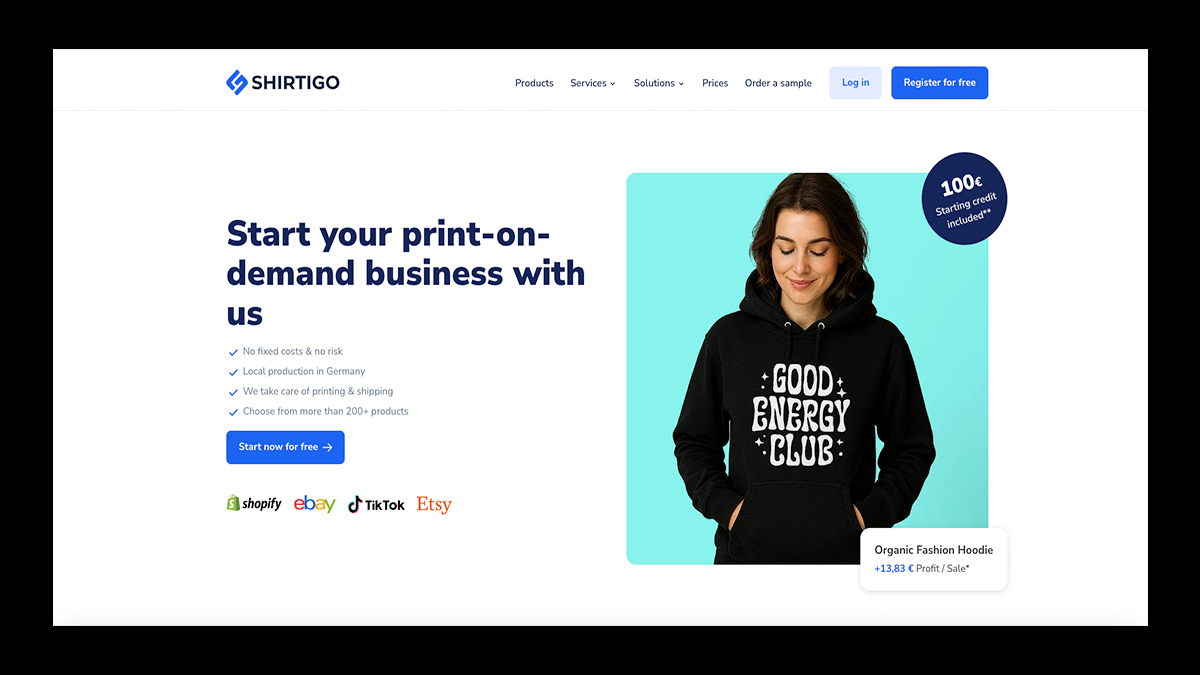
Sustainability is a clear priority across Shirtigo’s operations.
This German-based company runs production on 100% renewable energy, uses vegan, water-based inks, and ships orders in plastic-free packaging made from recycled materials.
Its product catalog is primarily apparel-focused, featuring organic fabrics and responsibly sourced textiles from reputable suppliers.
Shirtigo also stands out with branding options like neck prints, labels, and custom packaging, making it easier for growing brands to maintain a polished, professional look without managing inventory.
While it doesn’t take the same purist, screen-print–only stance as Print Natural, it offers a much more flexible print-on-demand model that works well for ongoing sales rather than planned bulk drops.
💰 Pricing
- Pay-Per-Product Pricing (no upfront costs): You pay only when an item sells. Optional subscription plans are available for higher-volume sellers, unlocking additional branding features and customization options.
✅ Pros
- EU-based production for faster, more sustainable European shipping
- 100% renewable energy–powered manufacturing
- Vegan, water-based inks and organic apparel options
- Plastic-free, recycled packaging
- Fast fulfillment with ~48-hour production on most orders
- Strong branding features like neck prints, labels, and custom packaging
- Ideal for apparel-first brands targeting European customers
❌ Cons
- Smaller catalog compared to large global POD platforms
- Sustainability depends on specific product and blank selection
- eCommerce integrations are more limited than all-in-one platforms
- Less suitable for brands selling heavily outside Europe
7. PrintKK

While it doesn’t position itself as an eco-only platform, PrintKK still supports responsible production in meaningful ways, including a strict print-on-demand model that reduces overproduction and partnerships with Stripe Climate to fund carbon-removal technologies.
For sellers who want flexibility and volume first, with the ability to layer in eco-conscious choices where it matters, PrintKK offers a very different (and much faster) path than screen-print–focused providers.
With 1,000+ customizable products spanning apparel, accessories, home décor, pet products, wall art, swimwear, and niche items most POD platforms don’t offer, it’s built for experimentation and rapid SKU expansion.
The platform’s beginner-friendly design tools make it easy to customize and preview products quickly, while integrations with nearly every major eCommerce system allow orders to sync automatically.
Combined with production facilities in both the U.S. and China, PrintKK enables fast global fulfillment, built-in shipping guarantees, and a workflow that supports aggressive scaling.
💰 Pricing
- Free to Use: $0/month — Pay per product with no subscription fees or service charges.
Product pricing varies by item, with some starting as low as $2 before shipping.
✅ Pros
- Massive catalog with 1,000+ products across multiple categories
- Carbon-removal contributions through Stripe Climate partnership
- Beginner-friendly design tools for fast testing and iteration
- Custom branding labels, packaging options, and bulk discounts
- 24/7 customer support with fulfillment guarantees
- Easy integrations with Shopify, Etsy, WooCommerce, Wix, BigCommerce, eBay, Walmart, and more
❌ Cons
- Sustainability varies by product and material choice
- Not as transparent or materials-focused as eco-first platforms like Print Natural
- Quality can vary across such a wide catalog
- Some items ship internationally, which can impact delivery times and carbon footprint
8. TwoFifteen

From a sustainability perspective, TwoFifteen makes meaningful moves without positioning itself as eco-exclusive.
They use vegan-friendly, OEKO-TEX–certified water-based inks, operate facilities powered by renewable energy, and ship orders in plastic-free packaging with paper-based protective materials.
The catalog spans apparel, accessories, drinkware, home goods, and art prints, with ethical options from brands like Continental Clothing and Stanley/Stella for sellers who want to stay aligned with responsible production standards.
The best part? Misprinted products aren’t trashed; they’re donated to charity, helping reduce waste while supporting local communities.
If Print Natural appeals to you philosophically but feels too rigid or bulk-focused, TwoFifteen offers a middle ground between seriousness and scalability.
💰 Pricing
- Pay-Per-Product (quote- or item-based pricing): Competitive pricing across standard and organic items; no monthly subscription required.
✅ Pros
- Vegan, OEKO-TEX–certified water-based inks
- Renewable-energy-powered production facilities
- Plastic-free packaging and waste-reduction initiatives
- Ethical and organic apparel options available
- Strong UK fulfillment with reliable dispatch times
- Integrations with Shopify, Etsy, WooCommerce, TikTok Shop, and more
❌ Cons
- Not every product in the catalog is eco-focused
- Shipping outside the UK can take longer
- Sustainable options may carry higher base costs
- Less beginner-friendly than all-in-one creator platforms
9. Contrado

Though it isn’t positioned as an eco-only platform, Contrado’s sustainability is tightly integrated into the production of its fashion, accessories, home décor, wall art, and custom fabric products.
Every item, from luxury apparel and scarves to cushions, art prints, and leather goods, is produced made to order in a single UK facility, which helps prevent overproduction and shortens shipping distances.
Contrado uses low-water printing methods, responsibly manages ink waste, and continues to expand its product lineup made with vegan, biodegradable, organic, and recycled materials.
Even leftover fabric scraps are repurposed and shared with crafters, reinforcing a production philosophy that prioritizes waste reduction without sacrificing premium quality or design control.
💰 Pricing
- Pay-Per-Item: Costs vary by product and reflect high-end materials, custom manufacturing, and responsible production methods.
✅ Pros
- Extensive catalog featuring luxury apparel, accessories, home décor, leather goods, and art prints
- Made-to-order production model that reduces waste and excess inventory
- Local UK manufacturing lowers carbon footprint and improves quality control
- Growing selection of vegan, biodegradable, organic, and recycled product options
- Fast production times, often 1–2 days for many items
- Advanced customization tools, including all-over printing and fabric control
❌ Cons
- Higher base prices compared to most print-on-demand platforms
- Sustainability varies by product category rather than being universal
- Can be overkill for casual merch or low-priced creator drops
- International shipping costs may be higher for non-UK customers
10. The Print Authority
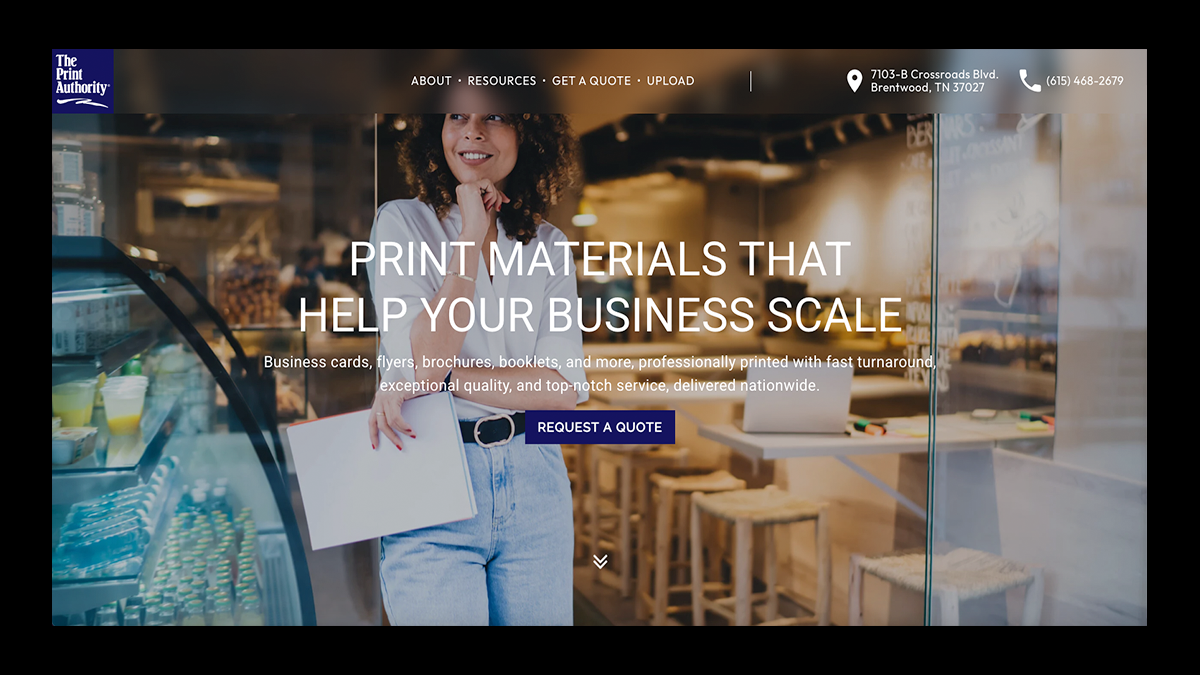
From a sustainability standpoint, The Print Authority takes a practical, production-minded approach that works across a wide range of printed goods and apparel.
Their catalog goes far beyond shirts, covering custom-printed apparel, tote bags, and promotional items, as well as business-critical materials such as flyers, posters, labels, stickers, signage, manuals, training workbooks, menus, postcards, pocket folders, and welcome kits.
The company uses water-based inks, biodegradable plant-based toner, organic and recycled fabric options for apparel, and on-demand printing to reduce overproduction and excess inventory.
Packaging is designed to minimize waste through compact, recyclable materials, and the platform supports both bulk orders and POD-style runs, making it flexible enough for everything from corporate programs and nonprofits to franchises and multi-location brands.
💰 Pricing
- Quote-based/Project-based Pricing: Varies by product type, materials, order size, and production method, with clear timelines provided upfront.
✅ Pros
- Scalable production suitable for large organizations and long-term programs
- Supports both bulk printing and print-on-demand workflows
- Broad product range, including apparel and promotional goods
- Uses water-based inks and offers organic/recycled fabric options
- Transparent pricing and production timelines
- Reliable for logistics-heavy or repeat orders
❌ Cons
- Not an eco-only platform by default
- Eco-friendly options can increase per-unit costs
- Limited international shipping compared to global POD networks
- Fewer creator-focused tools, like storefronts or monetization features
Turn Eco-Friendly Merch Into a Scalable Creator Brand
Print Natural shows what’s possible when sustainability is treated as a craft, but it also highlights how limiting a production-first model can be for creators who want speed and flexibility.
If you’re testing ideas, launching frequent drops, or scaling without minimums, you need a platform built for growth and responsible merch.
That’s where Fourthwall stands out.
Creators can launch a fully branded shop and sell eco-friendly apparel and accessories with no minimums, including:
- Stanley/Stella organic cotton t-shirts, sweatshirts, hoodies, and kids’ styles
- Econscious organic tote bags and dad hats
- Atlantis organic beanies
- SOL’S organic aprons and sweatshirts
All are printable or embroidered.
Fourthwall also supports recycled all-over-print activewear and swimwear (like sports bras, jerseys, joggers, and bikinis), so you can offer sustainable staples and bold designs.
Add memberships, digital products, tips, and fan support in one place, and you get eco-conscious merch with the freedom to scale—without duct-taping tools together.
FAQ: Print Natural Alternatives
What is the best alternative to Print Natural?
The best alternative depends on your priorities.
If you want sustainability and creator-friendly features like no minimums, storefronts, and monetization tools, platforms like Fourthwall, TPOP, and Eco Merch are strong options.
If you prioritize luxury customization or large-scale production, Contrado or The Print Authority may be a better fit.
Is Print Natural considered print-on-demand?
No. Print Natural focuses on bulk screen printing and planned production runs rather than DTG-style, one-off print-on-demand.
This makes it better for preorders and drops, but less flexible for creators who want to sell continuously with no minimums.
Which Print Natural alternative has no minimum order requirements?
Fourthwall, TPOP, Teemill, Inkthreadable, Shirtigo, and PrintKK all support true print-on-demand with no minimums.
These platforms allow creators to test designs, run micro-drops, and sell one item at a time without upfront inventory risk.
What is the most eco-friendly print-on-demand platform?
Eco Merch is one of the most sustainability-focused platforms available, using only organic cotton, recycled materials, and water-based inks, with zero landfill waste and carbon-positive operations.
TPOP and Teemill are also strong eco-first options, especially for European sellers.
Matt Keyser is a writer at Fourthwall who lives at the intersection of social media and Creator culture. With 4+ years of experience covering industry trends, his work focuses on helping Creators and brands understand how to turn their passion into a thriving business while maintaining a constant pulse on the latest eCommerce and social media trends.


You might also like

8 Best TeePublic Alternatives for Artists in 2026

9 Best Printify Alternatives for Print-on-Demand in 2026

8 Best Spring (Teespring) Alternatives for Creators After Its Shutdown

30 Best Print on Demand Products for Creators in 2026 (From Tees to Plushies)

9 Best Kajabi Alternatives for Course Creators in 2026

What to Sell Online: How to Find a Product People Want

8 Best Spreadshirt Alternatives for Print-on-Demand in 2026

7 Best Sellfy Alternatives for Creators and Brands in 2026

27 Best Digital Products to Sell as a Creator

Keep up with the latest from Fourthwall
New features, product updates, trend breakdowns, and creator stories — straight to your inbox.