
YouTube’s 2026 Playbook: New Features That Will Shape the Future of Creating, Streaming, and Earning
Discover The Tools That Are Changing How Creators Build Their Channel
.png)


As we head into 2026, YouTube is making one thing very clear: the future of entertainment is creator-led, creator-owned, and creator-powered.
In a recent announcement from the company’s CEO, Neal Mohan, the platform plans to lay out a bold vision for the new year that makes one thing clear: creators are no longer guests on the platform—they are the main event.
The updates teased by Mohan position YouTube as a full-scale media engine where channels operate like studios, videos function like programming, and creators control both production and distribution.
From Veo-powered video creation and expanded YouTube Shorts capabilities to live-streaming upgrades, shopping integrations, and inspiration tools built directly into the UI, these updates are designed to help creators grow their audiences and businesses simultaneously.
Here’s a closer look at the biggest features coming to YouTube and why they matter for creators at every stage.
Creators Are the New Studios and the New Stars
YouTube is no longer treating creator content as “user-generated.”
The platform now openly positions creators as the next generation of studios, networks, and entertainment brands.
Viewers already turn to creators for major cultural moments, such as Super Bowl coverage, red carpet reactions, or album releases from popular artists.
YouTube creators are also scaling production in ways that were once reserved for Hollywood.
Upcoming shows like Outside Tonight by Julian Shapiro-Barnum signal a shift toward creator-led formats that feel native to YouTube but rival traditional television in quality and ambition.
For any creator, this means YouTube is building infrastructure for long-term growth, not just viral moments.
Every Format, Every Screen, One Platform
YouTube continues to stand out because it delivers content everywhere, across every screen and format, within a single unified ecosystem.
Long-form video, YouTube Shorts, live streaming, podcasts, music videos, and now image-based posts all live side by side, giving creators more ways to reach viewers without leaving the app or YouTube Studio.
Shorts alone now average 200 billion daily views, turning short-form clips into one of the most powerful discovery tools for growing a channel.
This year, YouTube is expanding Shorts even further by integrating additional formats like image posts directly into the feed, helping creators stay visible between uploads and maintain consistent audience engagement.
With YouTube remaining the top streaming platform for U.S. watch time for nearly 3 years, creators are no longer competing with TV—they are becoming the main attraction.
YouTube TV and the Living Room Push
The living room is becoming one of the most important places where YouTube content is watched, and YouTube is leaning into that.
With YouTube TV rolling out fully customizable multiview and more than 10 specialized plans across sports, entertainment, and news, viewers get more control over how they watch and what they watch together.
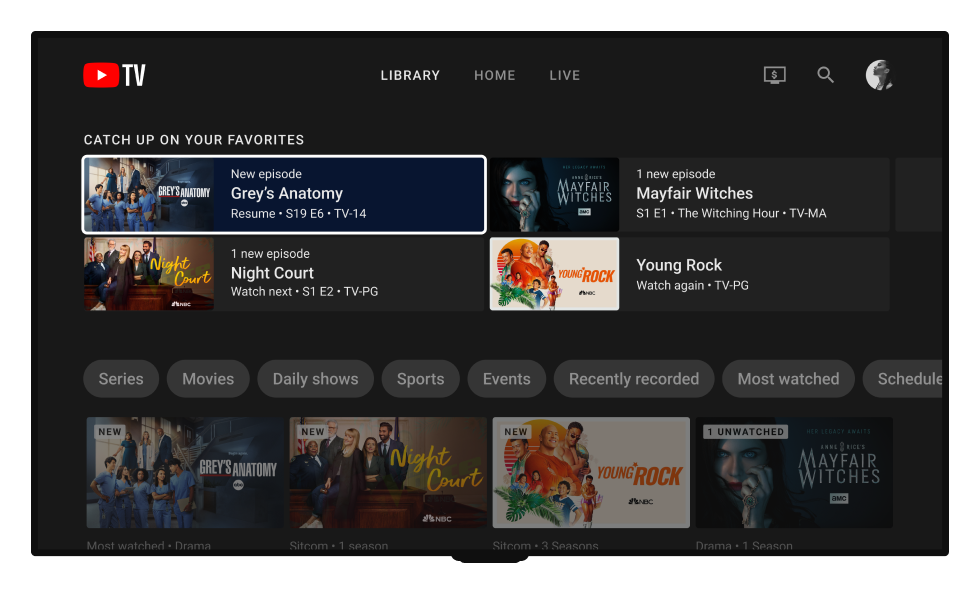
For YouTube creators, this opens new opportunities to reach highly engaged viewers settling in for longer sessions rather than quick mobile scrolls.
Longer watch times and lean-back viewing create stronger conditions for monetization, especially for channels producing episodic series, documentaries, or cinematic videos.
As YouTube continues to blur the line between traditional TV and creator-led programming, the platform becomes an even stronger home for creators building premium, TV-style content designed to grow an audience and keep them watching.
Building a Better Experience for Kids and Teens
YouTube is also investing heavily in being the best platform for kids and teens.
New updates across the YouTube app and YouTube Studio make it easier for parents to set up supervised accounts, switch between profiles, and ensure each child is in the right viewing experience for their age.
One of the biggest changes gives parents direct control over Shorts consumption, including the ability to limit scrolling time or set it to zero when focus matters most.
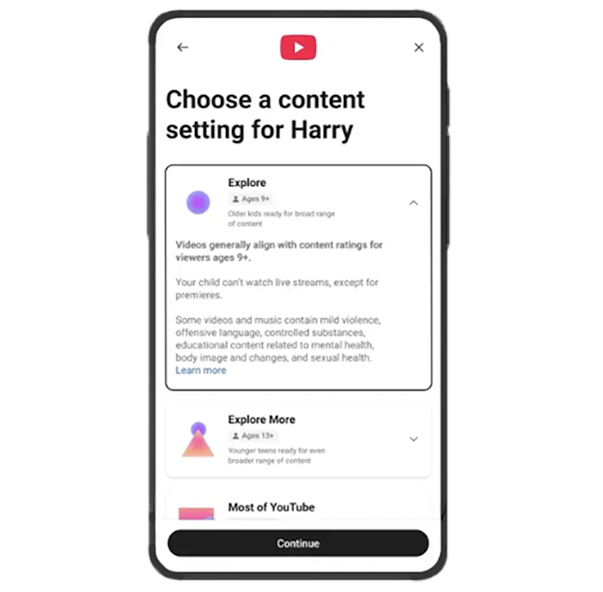
Parents can also customize Bedtime and Take a Break reminders, reinforcing healthier viewing habits without cutting kids off from content entirely.
Alongside these tools, YouTube is refining how teen content is recommended, prioritizing higher-quality, age-appropriate videos while reducing exposure to low-value or repetitive content.
For creators making educational, family, or youth-focused videos, these changes help build trust with parents and ensure content reaches the right audience in a safer, more intentional environment.
AI Becomes a Creative Accelerator, Not a Replacement
AI is no longer a behind-the-scenes feature on YouTube. It is stepping into the creative workflow itself, not to replace creators, but to remove friction between an idea and a finished video.
The platform is drawing a clear line by positioning AI as a set of tools that speed up creation, unlock new formats, and help creators experiment more freely without flattening their voice or originality.
AI-Powered Shorts Creation
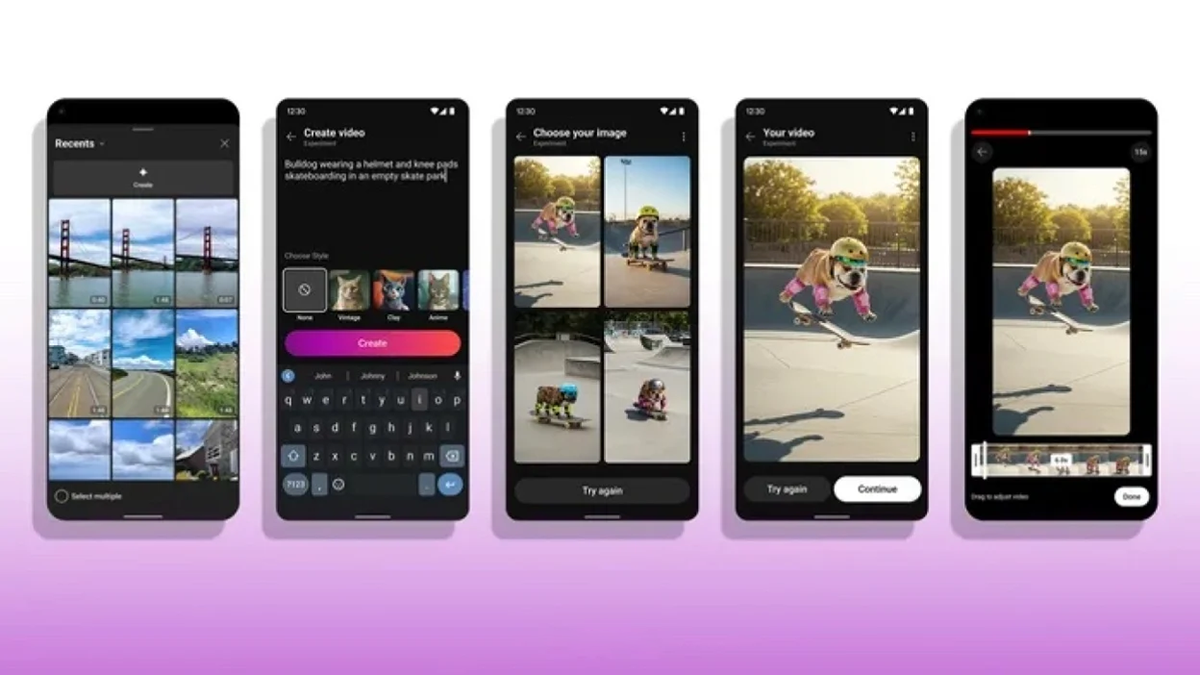
YouTube is introducing AI tools that dramatically streamline how creators make Shorts, turning simple assets into polished video content in minutes.
With features that animate photos, stylize clips, add objects through text prompts, and automatically generate Shorts from a gallery complete with music, transitions, and voiceovers, creators can move faster without sacrificing creative control.
Speech to Song and Creative Experiments
Creative tools like Speech to Song open the door to more playful, experimental formats by transforming spoken audio into music-driven moments.
These features make it easier for creators to test new ideas, chase viral concepts, and experiment with tone or storytelling without needing advanced editing skills or extra production time.
Powering the Creator Economy in 2026
The platform is leaning into what it already does better than anyone else: offering creators a stable, diversified path to earn that scales with their audience, not against it.
Instead of pushing one-off monetization features, YouTube is building an interconnected economy where ads, fan funding, shopping, and brand deals work together inside a single ecosystem.
The goal is simple but ambitious. No matter how a creator chooses to show up, there should be a business model that supports it.
That philosophy is driving a new wave of monetization tools designed to turn creativity into predictable, sustainable income. Here’s what’s coming:
🤑 More Ways to Monetize
YouTube is continuing to invest in fan funding features like Jewels, Gifts, and Super Chat, giving creators more ways to earn directly from their audience in real time.
These tools are especially powerful for creators outside the U.S., where fan-supported monetization often plays a bigger role than traditional ad revenue.
By expanding these features, YouTube is helping creators build deeper community-driven income streams that are less dependent on views alone.
🛍️ YouTube Shopping Gets Frictionless
Shopping is becoming a core part of the creator experience on YouTube.
With in-app purchasing rolling out more broadly, viewers will soon be able to buy products recommended by creators without ever leaving the platform.
This removes friction from the buying process and turns trusted recommendations into instant revenue, making content itself a more powerful driver of commerce.
🤝 Brand Deals, Upgraded
Brand partnerships are also getting a major upgrade through a new creator partnerships hub that helps brands and influencer marketing agencies find and work with creators more efficiently.
On the creator side, new tools make it easier to manage branded content over time, including swapping out sponsored segments after a campaign ends.
This means older videos can continue generating income long after the original deal is complete, turning back catalogs into long-term revenue assets rather than one-off opportunities.
Build Your YouTube Business With Fourthwall
YouTube’s latest roadmap makes one thing clear: the next generation of creators will be the ones who turn their channels into real businesses, not just places to post videos.
That’s where Fourthwall comes in.
With Fourthwall’s direct integration with YouTube, creators can showcase their products right under their videos using the YouTube Merch Shelf, feature merch on end screens, and link their shop in descriptions without sending fans off-platform.
This turns every upload into a storefront and every viewer into a potential customer, all while keeping the experience native to YouTube.
If you’re serious about monetizing your content, building a recognizable brand, and owning your revenue, joining Fourthwall is the easiest way to turn your YouTube channel into a sustainable creative business.
FAQ: YouTube’s Latest Features
What new features is YouTube launching in 2026?
In 2026, YouTube is rolling out major updates across AI-powered creation tools, YouTube Shorts, live streaming, monetization, and shopping.
These include Veo-powered video creation, enhanced Shorts formats, upgraded live-streaming features, frictionless in-app shopping, and new tools in YouTube Studio designed to help creators plan, publish, and earn more effectively.
How will YouTube’s updates help creators grow their channels?
The new features are built to reduce guesswork and increase retention.
By combining smarter discovery through Shorts, AI-assisted creation, improved analytics, and better monetization options, YouTube is helping creators grow audiences faster while building sustainable businesses instead of chasing viral spikes.
What did YouTube CEO Neal Mohan announce about creators in 2026?
Neal Mohan emphasized that creators are no longer just users of the platform but the core drivers of modern entertainment.
His announcement positioned creators as studios, networks, and media companies, with YouTube providing the tools, distribution, and business models to support that shift.
How is YouTube Shorts changing in 2026?
YouTube Shorts is expanding beyond video to include new formats, such as image-based posts and AI-generated clips.
With deeper AI integration, Shorts are becoming easier to produce, more creative, and even more central to discovery, helping creators stay visible between long-form uploads.
What is Veo, and how does it affect creators?
Veo 3 is YouTube’s AI-powered video creation technology developed with Google DeepMind.
It allows creators to animate photos, stylize clips, add objects using text prompts, and generate Shorts faster, making high-quality short-form content more accessible without replacing creative control.
Matt Keyser is a writer at Fourthwall who lives at the intersection of social media and Creator culture. With 4+ years of experience covering industry trends, his work focuses on helping Creators and brands understand how to turn their passion into a thriving business while maintaining a constant pulse on the latest eCommerce and social media trends.


You might also like

9 Best Kajabi Alternatives for Course Creators in 2026

What to Sell Online: How to Find a Product People Want

8 Best Spreadshirt Alternatives for Print-on-Demand in 2026

7 Best Sellfy Alternatives for Creators and Brands in 2026

27 Best Digital Products to Sell as a Creator
.webp)
Top 8 Wix Alternatives for Creators Building an Online Store in 2026

How to Create and Sell Print on Demand Journals and Notebooks

9 Gumroad Alternatives for Digital Creators in 2026

10 Best Stan Store Alternatives for Creators in 2026

Keep up with the latest from Fourthwall
New features, product updates, trend breakdowns, and creator stories — straight to your inbox.