
10 Best Teelaunch Alternatives for Print-on-Demand in 2026
Comparing Teelaunch to Today’s Best POD Platforms


Teelaunch has been a steady presence in print-on-demand for nearly 15 years, especially for Shopify sellers who want to launch products without upfront inventory or complicated setup.
Still, with so many POD platforms available today, it’s easy to feel unsure about whether Teelaunch is the right fit or just one option among many.
Choosing a print-on-demand platform is a big decision, and this article aims to make that decision clearer for you.
Below, we'll take a close look at what Teelaunch does well, where it comes up short, and which alternatives may suit your store better.
By the end, you’ll have a clearer path forward and a better sense of which platform fits your goals.
What Is Teelaunch?
Teelaunch is a print-on-demand platform that’s been around since 2012, quietly building a reputation as a dependable backend for online merch stores.
It’s designed to remove the operational friction of eCommerce by handling production, fulfillment, and shipping only after a sale is made.
This pay-as-you-sell model keeps risk low and makes it easier to start without committing to inventory or storage.
Teelaunch is especially known for working smoothly with Shopify, Etsy, and WooCommerce and for offering a broader selection of customizable products than many apparel-only POD services.
For sellers who want a practical, low-overhead way to turn designs into sellable products, it keeps the process straightforward and accessible.
What Makes Teelaunch Stand Out?
Teelaunch is built to support sellers who want a reliable print-on-demand setup without overcomplicating the process.
Instead of packing the platform with flashy extras, it focuses on the fundamentals that matter most: product variety, dependable printing, straightforward customization, and predictable fulfillment.
Below is a clear breakdown of how Teelaunch performs across its core feature areas.
Product Variety
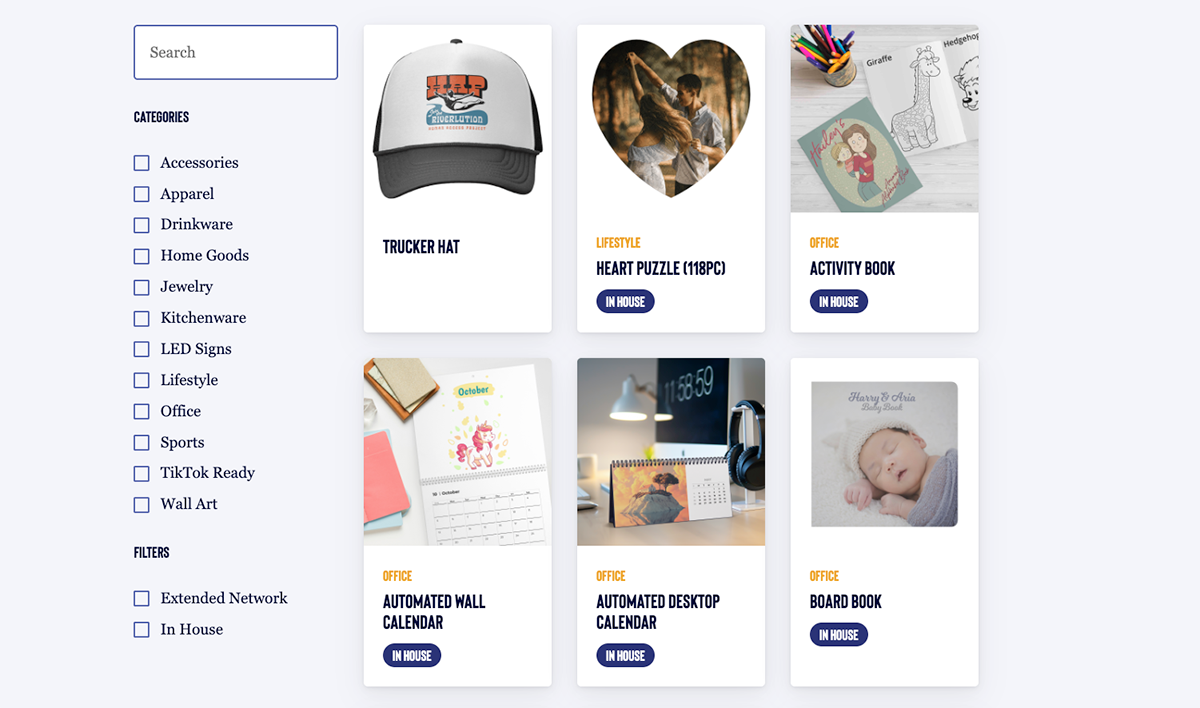
Teelaunch offers a surprisingly broad catalog for a POD company, with more than 300 products available across multiple categories.
Beyond standard apparel, sellers can create customizable products like wall art, drinkware, jewelry, kitchenware, office supplies, pet items, crystal pieces, and monogrammed gifts.
This makes it easier to build a focused niche store or offer a wide mix of merch using the same design.
That said, the catalog isn’t all-inclusive. Some common items, such as socks and baseball caps, are missing, so sellers should review the full product list before committing.
Teelaunch also releases limited-edition or seasonal items from time to time, which can be useful for testing new ideas.
Consistent Print Quality
Teelaunch works with third-party suppliers, and different product types are sourced from different fulfillment partners.
Overall, print quality is solid across apparel, accessories, and kitchenware, with most sellers reporting consistent results.
Apparel typically uses DTG printing for good color range, while fabric items may use sublimation, and select hard goods feature laser engraving for precise detailing.
Because quality can vary slightly by product, ordering samples is highly recommended. This helps sellers confirm print quality and material feel before scaling ads or launching a new merch collection.
Design and Customization
Teelaunch keeps its design tools intentionally simple.
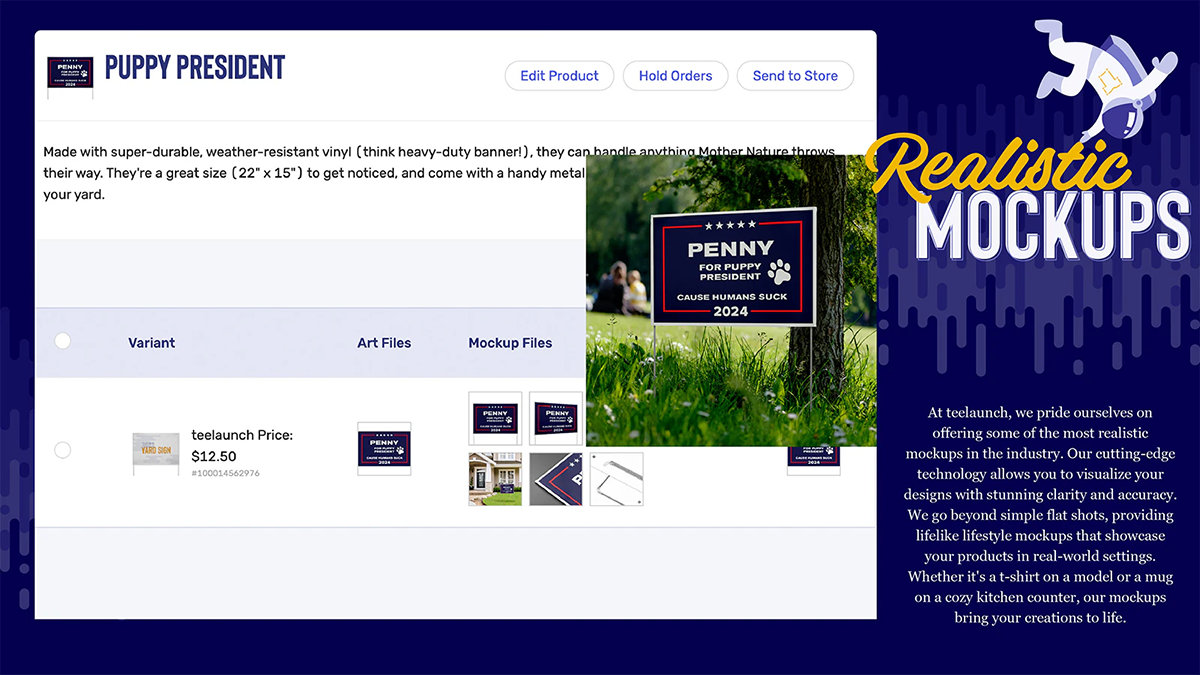
Sellers can upload their artwork, preview it on product mockups, and publish listings quickly without dealing with complex editors.
For personalized products, Teelaunch lets customers upload their own images and adjust placement at checkout, adding value and often increasing conversion rates.
Branding features are also available. Sellers can add logos to packing slips and include custom inserts, such as stickers or cards, in shipments.
While the platform doesn’t offer advanced design tools, it provides clear design guides for each product to help prevent printing errors.
Shipping and Carrier Coverage
Shipping is handled efficiently, especially for U.S.-based orders.
Teelaunch typically processes orders within 24 hours, with production taking about 3–6 business days.
Domestic shipping usually adds another 4–5 days, meaning most U.S. customers receive their orders within one to two weeks.
Products ship via USPS and UPS, with shipping costs generally ranging from $2–$10 in the U.S. and $2–$20 internationally.
Tracking is included for most orders, though certain items, such as stickers or select U.K.-fulfilled products, may not include tracking.
International shipping is available but comes with country restrictions and longer delivery times, especially during peak seasons.
Integrations (Shopify Go-To)
Teelaunch primarily integrates with Shopify but can also connect with Etsy and WooCommerce stores.
Its Shopify app is especially well-built, allowing sellers to add products, sync orders, and manage fulfillment directly from their store dashboard.
Etsy integration works through Shopify, which adds an extra step but still allows access to marketplace buyers.
While it’s possible to sell on Amazon using Shopify as a middle layer, this setup can feel complex.
Sellers who rely heavily on multiple eCommerce platforms may find Teelaunch’s integration options more limited than those of larger POD services.
Pricing
Pricing is one of Teelaunch’s strongest advantages. There are no monthly platform fees, and sellers only pay when an order is placed.
Base product prices are competitive, particularly for apparel and accessories, making it easier to maintain healthy profit margins.
Typical product pricing includes shirts at $11–$15, mugs at $5–$8, phone cases at $8–$11, and canvas wall art at $9–$65.
Shipping costs are added separately, and there may be small additional fees for oversized apparel or specialty products.
For many sellers, gross margins fall between 80–100%, especially when selling personalized items or using upsells to increase order value.
Where Teelaunch Falls Short
While Teelaunch gets many of the fundamentals right, its platform shows some clear limitations once you spend more time using it.
These drawbacks don’t make it unusable, but they can slow you down or push you to look elsewhere as your business grows.
📚 Limited Self-Help Resources
Teelaunch doesn’t offer a deep library of tutorials, walkthroughs, or searchable guides.
When questions come up, sellers often have to rely on support tickets rather than finding quick answers on their own.
For sellers who prefer learning independently, this lack of documentation can be frustrating.
🧭 Outdated UI and Site Navigation
While Teelaunch markets itself as beginner-friendly, getting fully comfortable with the platform takes time.
The dashboard layout isn’t always intuitive, and some workflows aren’t clearly explained during onboarding.
Because the interface feels outdated, new users may struggle to understand where certain settings live or how changes affect their store.
This can slow down launch timelines, especially for first-time sellers.
🎨 Very Limited Design Capabilities
Teelaunch’s design editor is extremely basic compared to most modern POD platforms.
Sellers can only upload PNG files, with no built-in text tools, font options, or editing controls.
This means any design changes must be done outside the platform, which adds extra steps to the workflow.
👕 No Option for Sample Orders
Teelaunch does not offer discounted or dedicated sample orders, which makes product testing more difficult.
Sellers who want to check print quality, sizing, or materials often have to place full-priced orders.
This increases upfront costs and makes experimentation riskier. Without samples, it’s harder to confidently launch new products or refine an existing merch line.
Overall Thoughts

Teelaunch is a dependable print-on-demand platform that prioritizes affordability and practicality over cutting-edge features.
It’s especially well-suited for Shopify sellers who want to launch custom products quickly without committing to inventory or complex workflows.
The platform shines in product variety and pricing, giving smaller brands room to experiment without taking on too much risk.
However, its dated interface, limited design tools, and lack of sample orders can feel restrictive as your operation becomes more refined.
Sellers who plan to scale, expand internationally, or lean heavily into design flexibility may eventually outgrow it.
As a result, Teelaunch works best as a low-risk entry point into print-on-demand rather than a long-term solution for every stage of growth.
Top Teelaunch Alternatives for Print-on-Demand in 2026
1. Fourthwall
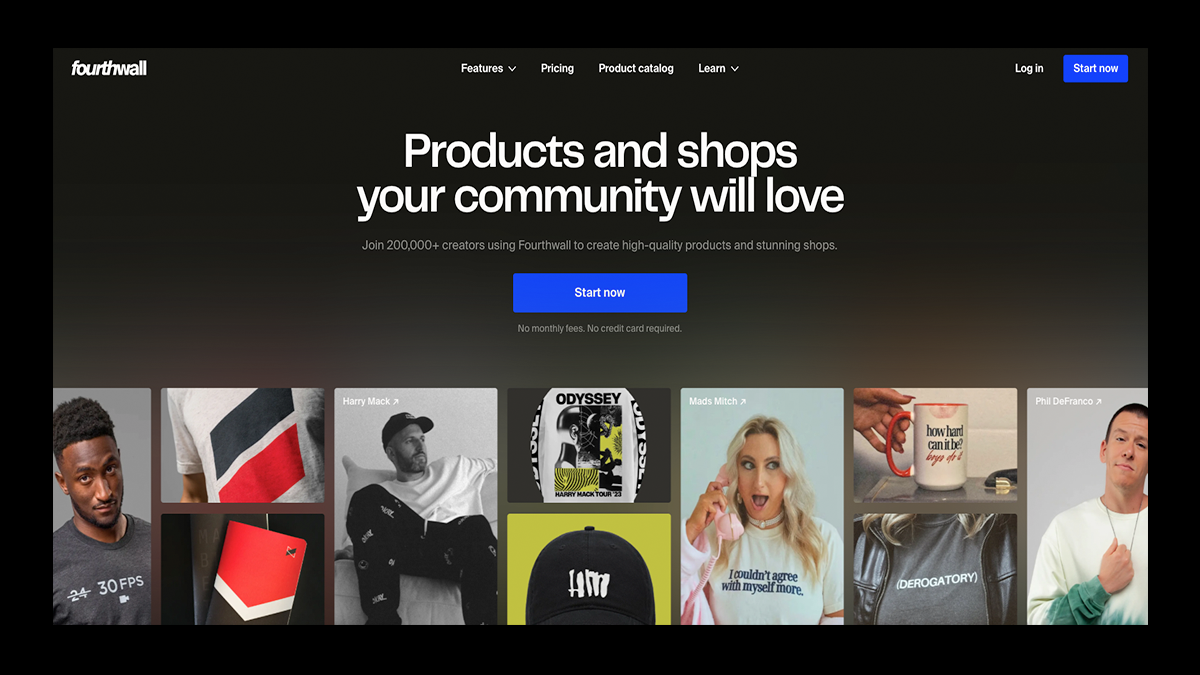
Fourthwall stands out as a modern print-on-demand alternative to Teelaunch by combining merch creation with a fully built storefront and creator-focused monetization tools.
Its POD catalog includes 370+ products across apparel, accessories, posters, and home goods, giving brands plenty of room to expand beyond basic merch.
Fourthwall supports a wide range of printing techniques, including DTG, DTF, sublimation, UV printing, and embroidery, which helps maintain strong print quality across different product types.
The platform’s design editor is especially polished, featuring 3D mockups that let you preview designs in real time and easily publish visuals to your storefront or share them directly on social media.
With Fourthwall handling production, fulfillment, global shipping, taxes, and payments, creators can focus less on operations and more on building a brand and selling merch with confidence.
💰Pricing
- Free Plan: $0/month — No platform fees on physical products, 5% fee on memberships and digital product sales.
- Pro Plan: $19/month or $180/year — 0% fees on digital products, free .store domain, $10/month in sample credits, unlimited team members, and priority support.
✅ Pros
- All-in-one platform for merch, digital products, memberships, and donations
- Provides clean, professional storefronts with drag-and-drop design tools
- Multiple printing methods (DTG, DTF, sublimation, UV, embroidery)
- High-quality 3D mockups for product pages and social content
- Create custom inserts that are packaged with your products
- Built-in fulfillment, payments, taxes, and global shipping
- Provides plenty of resources for store building and designing products
- Integrates with TikTok Shop, YouTube Product Shelf, Twitch Gifting, and Meta Shopping
❌ Cons
- Smaller catalog than some large POD marketplaces
- Less backend customization than open-source eCommerce platforms
2. CustomCat
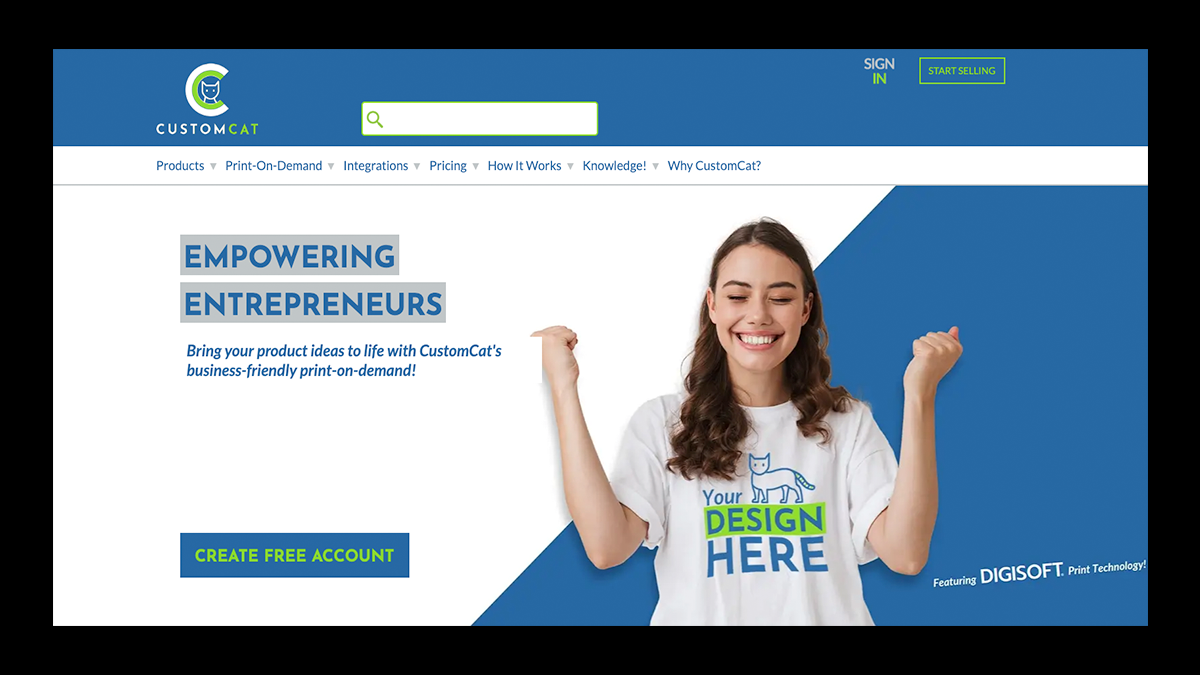
CustomCat offers a catalog of 200+ POD products, primarily apparel, accessories, drinkware, wall art, and select home items, making it a solid choice for merch-heavy brands.
It supports multiple printing methods, including DIGISOFT™ (DTG/DTF-style printing), embroidery, and dye-sublimation, helping maintain consistent results across different product types.
The platform includes a simple design tool that accepts a wide range of file formats (PNG, JPEG, SVG, AI, EPS), and sellers can order sample products, which is a major advantage when testing print quality.
With most U.S. orders fulfilled in 1–3 business days and integrations with Shopify, Etsy, WooCommerce, and BigCommerce, CustomCat is especially well-suited for high-volume sellers who want fast turnaround times without platform fees eating into margins.
💰 Pricing
- Lite Plan: $0/month — Unlimited products and orders, standard pricing.
- Pro Plan: $30/month or $25/month billed annually — 20–40% product discounts, promotions, and early access to new products.
- Enterprise Plan: Custom pricing — 30–50% discounts, API access, dedicated account manager.
✅ Pros
- Fast U.S. fulfillment, often within 1–3 business days
- Competitive pricing, especially with Pro and Enterprise discounts
- Supports sample orders for quality testing
- Accepts many design file formats
- Integrates with major eCommerce platforms
❌ Cons
- Their product catalog is smaller compared to most POD networks
- Design tools are basic with no built-in asset library
- Limited international fulfillment compared to global POD providers
3. Merchize
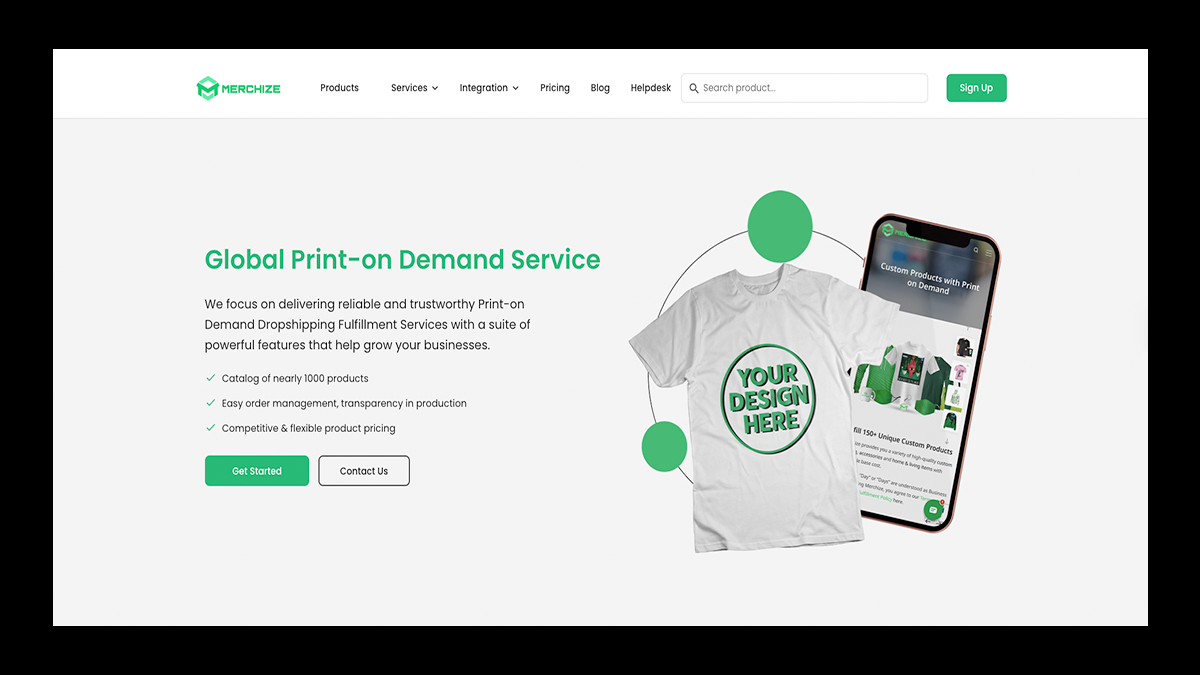
Merchize is designed for sellers who want to build a serious print-on-demand business, not just test a few designs.
It offers a 600+ product catalog that spans apparel, home décor, wall art, gifts, and niche items, giving brands room to expand beyond standard merch.
With support for DTG, DTF, sublimation, embroidery, and UV printing, Merchize lets you match each product to the best production method for quality and consistency.
Its built-in mockup tools, branding services, and centralized order management make it easier to launch and scale products quickly.
Backed by a global fulfillment network and deep integrations with platforms like Shopify, Etsy, Amazon, and WooCommerce, Merchize works well for sellers planning to grow across multiple channels.
💰Pricing
- Fulfillment Plan (Lite Package): FREE — Core POD tools (mockups, order management, integrations, no MOQ, API access, tracking/reporting).
- Storefront Plan (Platinum | Getting Big): $79/month per store — Includes storefront hosting + advanced eCommerce features (upsells, abandoned cart recovery, analytics); 1% transaction fee.
- Storefront Plan (Diamond | Real Legend): $299/month per store — Higher limits + advanced features; 0.5% transaction fee.
✅ Pros
- Huge 600+ product catalog, including niche and seasonal items
- Multiple print methods (DTG, DTF, sublimation, UV, embroidery) for broader customization
- Global fulfillment network and shipping to 180+ countries
- Strong multichannel integrations (Shopify, Etsy, WooCommerce, Amazon, eBay, Google Shopping) + API
- Add-ons for scaling: branding services, bulk/FBA-style workflows, storefront hosting options
❌ Cons
- More features can mean a steeper learning curve than simpler POD apps
- Costs can get harder to forecast if you add branding, packaging, or a paid storefront plan
- Quality and shipping experience may vary depending on which fulfillment center produces the order
4. Printify
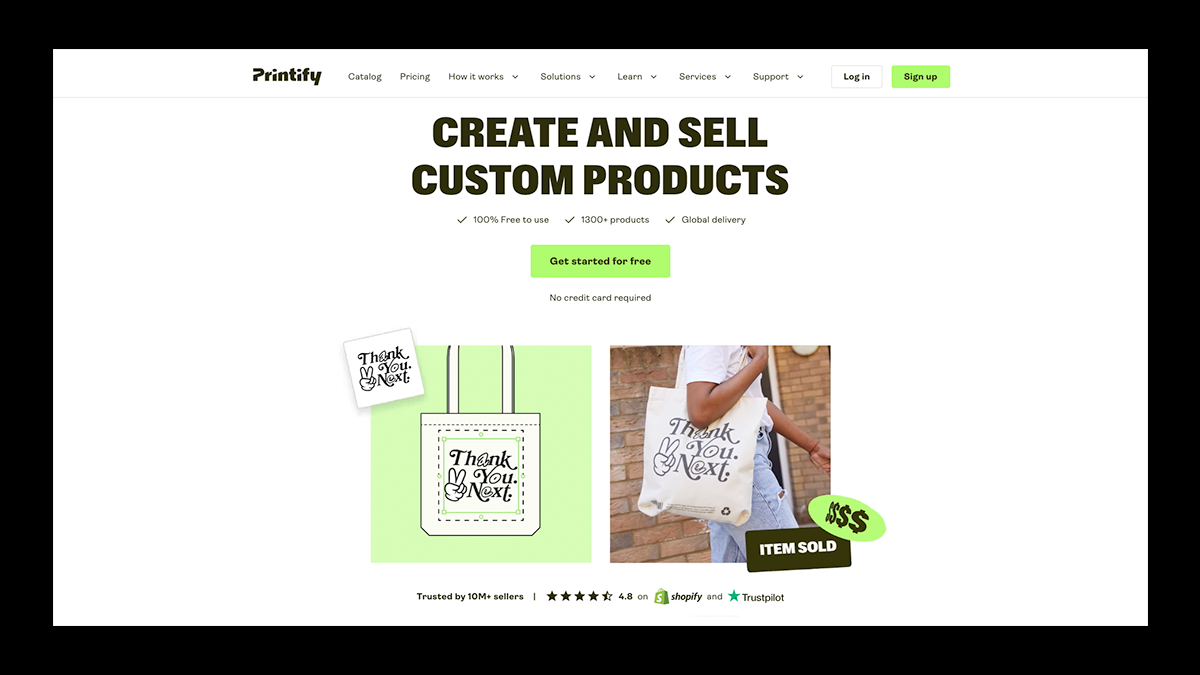
Printify has earned its reputation as one of the most trusted names in print-on-demand, powering thousands of stores and handling millions of orders each year.
Its popularity stems from offering sellers access to a massive global network of print providers, allowing you to choose who produces your products based on price, location, ratings, and shipping speed.
With 1,000+ customizable products and support for printing methods like DTG, DTF, sublimation, embroidery, all-over print, and UV printing, Printify gives sellers flexibility without locking them into a single supplier.
The design experience is polished and easy to use, featuring live mockups, a drag-and-drop editor, and even an AI image generator for quick design creation.
Combined with reliable fulfillment across 100+ locations and integrations with nearly every major eCommerce platform, Printify is built to scale with your business.
💰Pricing
- Free Plan: $0/month — Access to the full product catalog, unlimited designs, up to 5 stores
- Premium Plan: $29/month or $24.99/month billed annually — Up to 20% off product-based prices, up to 10 stores.
- Enterprise Plan: Custom pricing — Unlimited stores, API access, dedicated account manager.
✅ Pros
- Extremely popular and widely trusted POD platform
- Massive product catalog with strong niche variety
- Freedom to choose print providers for better cost and speed control
- Powerful yet beginner-friendly design tools
- Excellent global fulfillment and platform integrations
❌ Cons
- Product quality can vary depending on the chosen print provider
- Support response times may slow during peak seasons
- Advanced branding options require higher-tier plans
5. Gelato
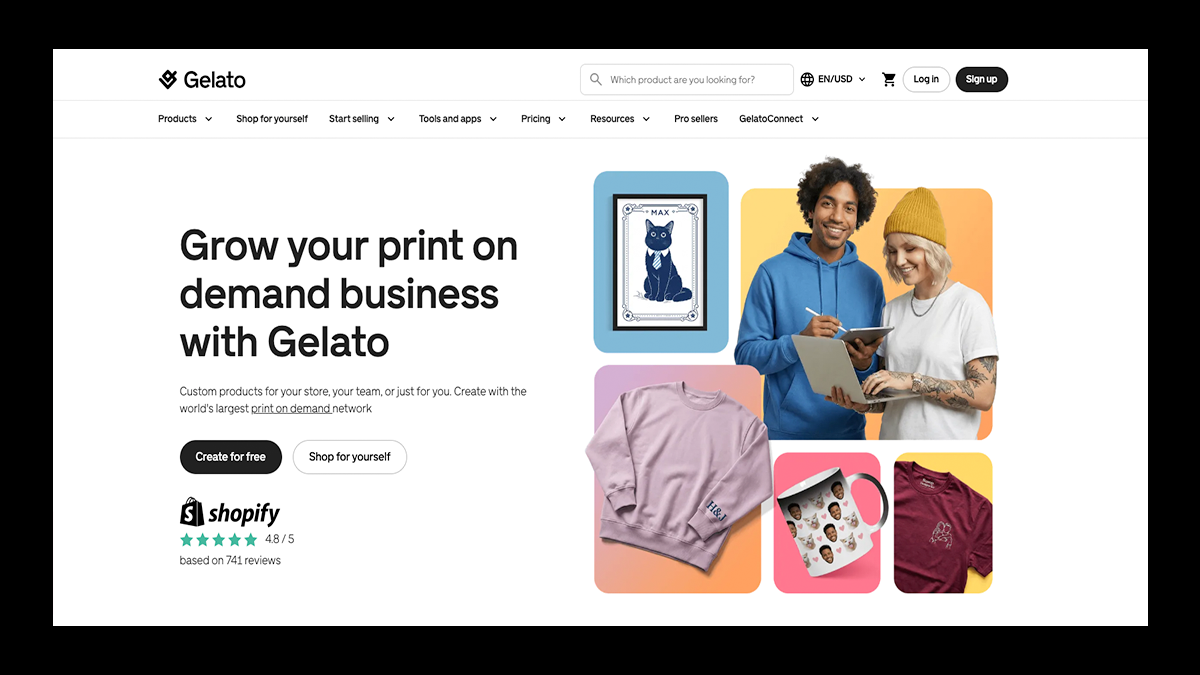
Gelato takes a different approach to print-on-demand by focusing on where and how products are made, not just on what you sell.
The platform focuses on local production, working with a global network of print partners to make products closer to customers, reducing shipping times, costs, and carbon emissions.
Its product catalog covers core POD staples like apparel, wall art, paper goods, home décor, and accessories, with standout strength in premium wall art and print products.
Gelato supports DTG and embroidery, and its design tools are clean and intuitive, with smart templates, image-quality checks, and access to stock assets.
Features like the Personalization Studio and CreateAI tools make it easier to sell customized products at scale while Gelato handles fast, reliable fulfillment across 200+ countries.
💰Pricing
- Free Plan: $0/month — Sell hundreds of products with full catalog access and integrations with top platforms like Shopify, Etsy, and more.
- Gelato+ (Monthly): $23.99/month — Includes everything in the Free plan, plus free access to the Personalization Studio, up to 25% off products, unlimited stores per account, Magic Mockups, Instant Collections, and more.
- Gelato+ (Annual): $19.99/month (billed annually, save 17%) — Includes all Gelato+ features, plus free shipping during promotional periods (e.g., Jan 1–Feb 5), making it the best value for sellers planning to scale.
- Platinum: Custom pricing — Designed for high-volume businesses, with bespoke discounts, a Platinum rewards program, concierge support, and dedicated implementation services.
✅ Pros
- Excellent global fulfillment with fast delivery, especially in Europe
- Eco-friendly, local-production model that reduces emissions
- Strong print quality and premium wall art options
- Powerful personalization and automation tools
- Beginner-friendly interface with scalable features
❌ Cons
- Smaller product catalog than large POD marketplaces
- Fewer printing methods than some competitors
- Advanced tools and personalization can add extra costs
6. Spreadshirt
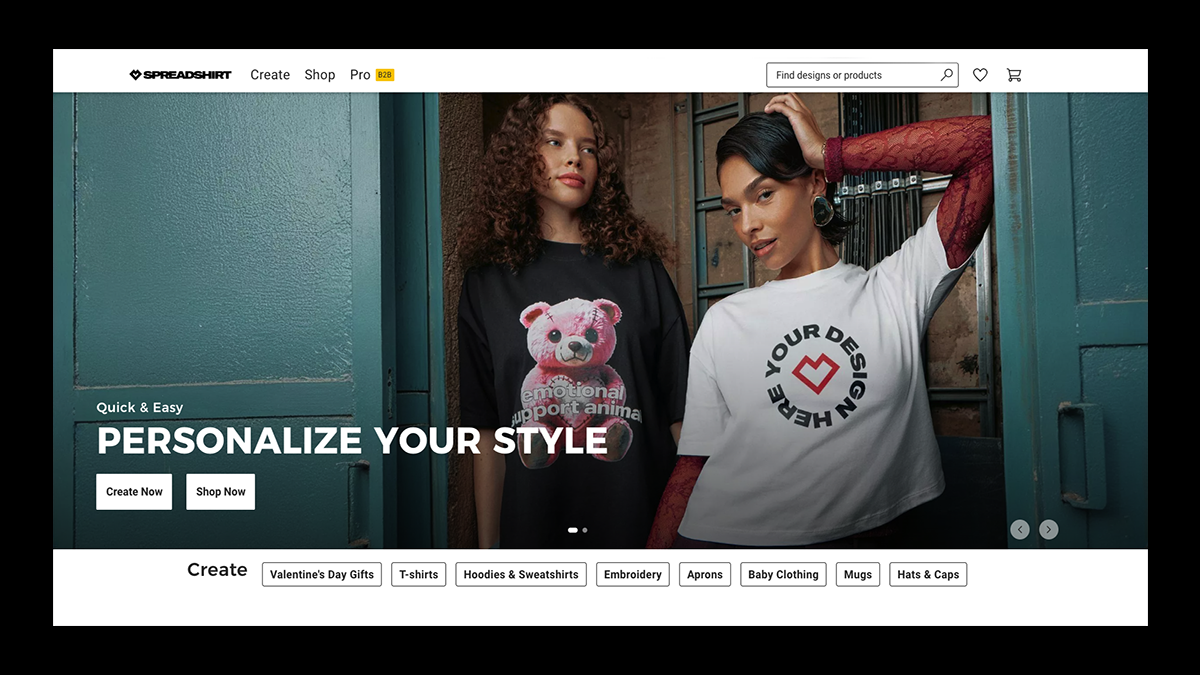
Spreadshirt is a solid choice for creators who want a simple, low-risk way to sell print-on-demand products without managing a full eCommerce stack.
The platform offers a respectable product catalog that includes apparel, drinkware, accessories, stickers, and select eco-friendly items, with printing handled through global production facilities in the US and EU.
Its design tools are intentionally basic but efficient, letting you upload a single design and apply it across multiple products with automatic scaling and previews.
One of Spreadshirt’s biggest advantages is flexibility in selling: you can list products on its built-in Marketplace for passive exposure or run your own Spreadshop with more control over pricing and promotions.
Fulfillment, shipping, customer service, and returns are fully handled by Spreadshirt, making it a hands-off option for designers who value convenience over customization.
💰Pricing
- Free to Use: No monthly fees or setup costs.
- Marketplace Sales: Earn a fixed design commission set by you (Spreadshirt controls retail pricing).
- Shop Sales: You set your own retail prices above Spreadshirt’s base costs and keep the difference.
- Payouts: Monthly, with a $25 minimum threshold.
✅ Pros
- No upfront costs or subscriptions
- Access to both a marketplace and a personal shop
- Global printing and shipping with localized currencies and languages
- Easy setup with virtually no learning curve
- Eco-friendly product options available
❌ Cons
- Low profit margins, especially on Marketplace sales
- Limited branding and storefront customization
- No ownership of customer data
- No third-party eCommerce integrations
7. Gooten
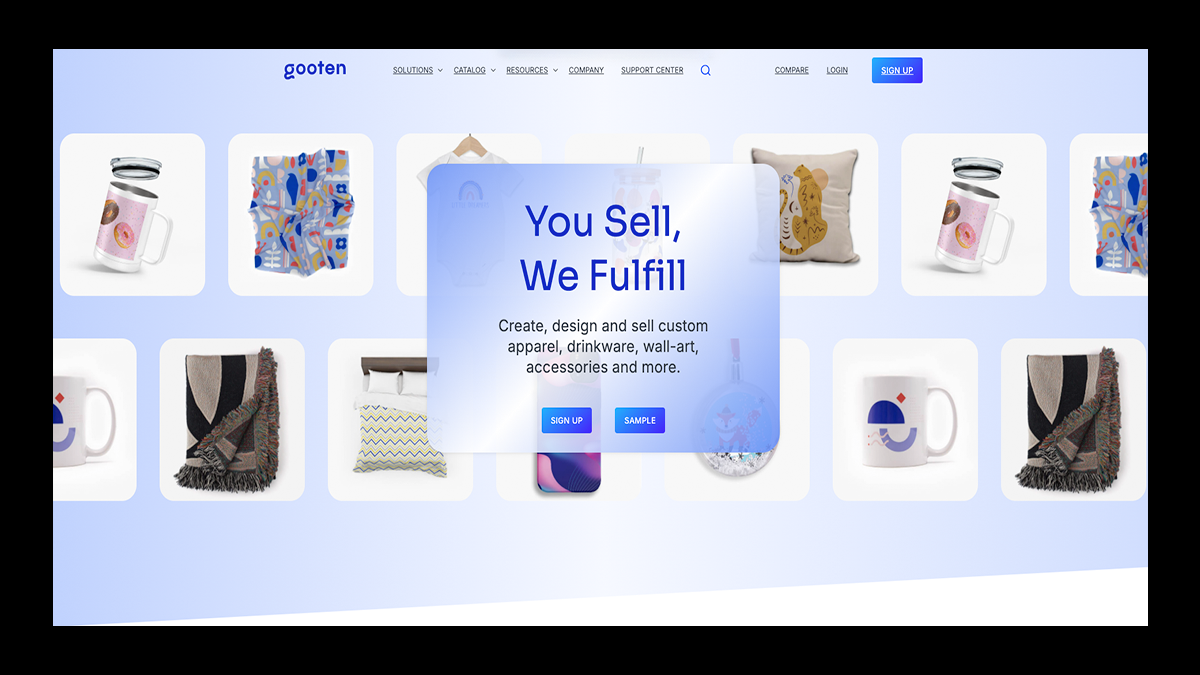
Gooten emphasizes production reliability and logistics, which is why it’s often used by established stores that already know what they want to sell.
Its product lineup covers core categories like apparel, home décor, stationery, wall art, and specialty items such as puzzles, calendars, and pet products, all produced using methods like DTG, sublimation, digital printing, and embroidery.
Where Gooten stands out is behind the scenes. The merchant dashboard is clearly designed for scale, with features that support bulk uploads, multi-store management, detailed design placement controls, and centralized order tracking.
Orders are routed automatically through its production network and typically ship within a few business days, with multiple shipping speeds available depending on urgency and destination.
While its native integrations are somewhat limited, Gooten’s API gives more technical sellers room to build custom workflows and connect to additional sales channels.
💰Pricing
- Free to Use: No subscription fees, no monthly costs, and no transaction fees.
- Pay-Per-Order Model: You pay Gooten the base product cost (plus shipping) only after a customer places an order.
- Optional Workflow: Gooten also offers a checkout widget option (where customers pay through Gooten and you receive payouts on a schedule), depending on how you set up payments.
✅ Pros
- Reliable, logistics-focused POD provider with a strong delivery track record
- Useful merchant tools: mockups, bulk orders (CSV), multi-store management, and placement controls
- Multiple printing methods across key product categories
- Automated order routing and tracking updates once integrated
- API access for advanced users who want custom integrations
❌ Cons
- Not instant to start: you may need to request access via a contact form
- Fewer native integrations than bigger POD ecosystems
- Catalog is smaller than “network” platforms like Printify/Printful (varies by region and product availability)
- Branding options are limited compared to platforms with custom packaging/label programs
- Support experiences can be inconsistent, especially during busy periods
8. TeePublic
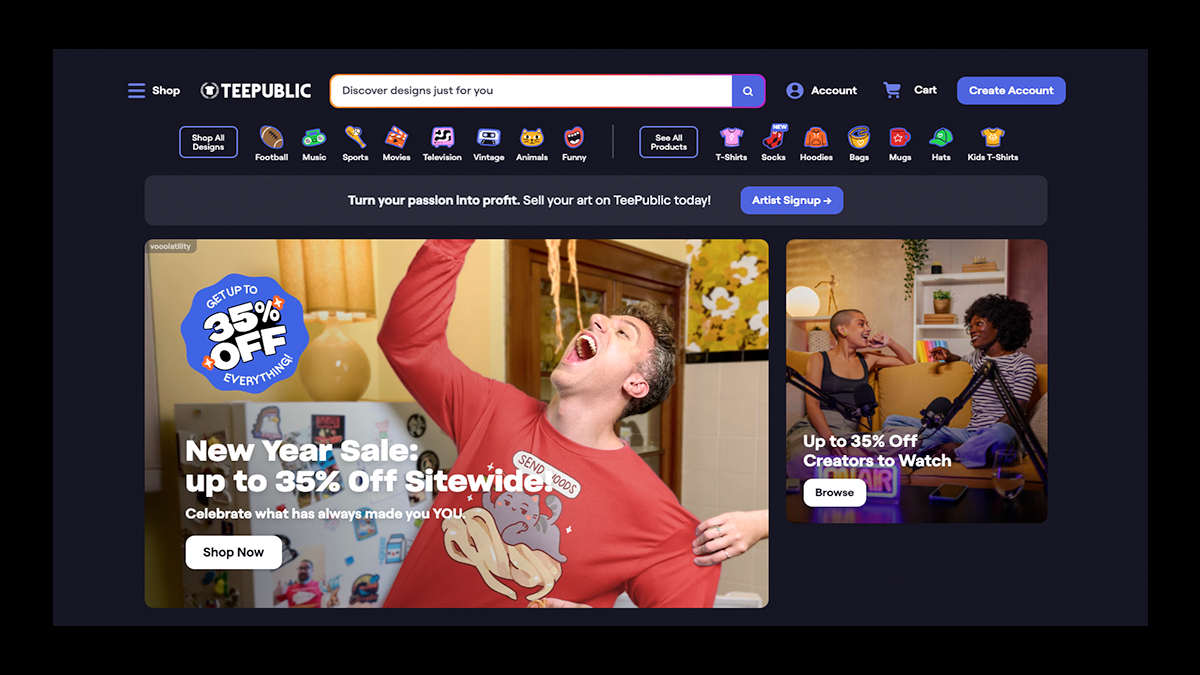
TeePublic is a marketplace-first print-on-demand platform built for creators who want sales without running a store.
You upload designs, choose which products they appear on, and TeePublic handles printing, shipping, returns, and customer support end-to-end.
The catalog covers the essentials (t-shirts, hoodies, stickers, mugs, phone cases, and accessories) printed with reliable, consistent DTG methods.
What really sets TeePublic apart is built-in demand: the platform drives organic traffic through SEO and frequent site-wide promotions, which helps designs sell without any marketing effort.
It’s a hands-off option that works best for artists who care more about reach and volume than branding or margins.
💰Pricing
- Free to Join: $0/month — Earnings are based on fixed commissions per product (set by TeePublic).
✅ Pros
- Completely hands-off fulfillment and customer service
- Built-in traffic from search and promotions
- Very fast setup and bulk design uploads
- No upfront costs or subscriptions
❌ Cons
- Low and fixed profit margins
- No control over pricing or storefront design
- No access to customer data or email lists
- Not suitable for brand building or premium positioning
9. Redbubble
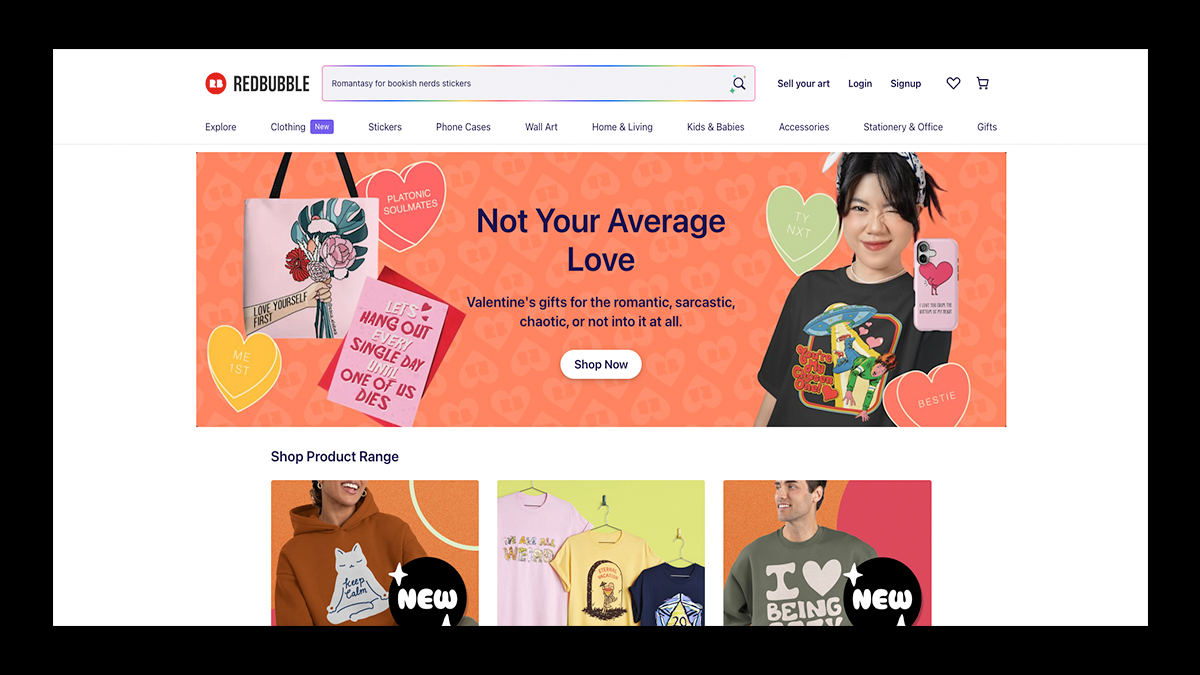
Redbubble is a print-on-demand marketplace that gives artists instant access to a massive global audience without running a store.
You upload designs once, and Redbubble automatically applies them across a wide catalog that includes apparel, stickers, wall art, home décor, tech accessories, and stationery.
Production, printing, shipping, and customer service are handled entirely by Redbubble, making it a low-risk way to test ideas and earn passive income.
Sellers can set their own markup percentages, but pricing, promotions, and the overall shopping experience are controlled by the platform.
💰Pricing
- Free to Join: $0/month — Redbubble sets base prices; creators add markup and earn the difference.
- Standard Tier: ~50% platform fee.
- Premium Tier: ~20% platform fee.
- Excess Markup Fees: Apply if royalties exceed certain thresholds.
✅ Pros
- Large, built-in marketplace with strong organic traffic
- Wide product catalog beyond just apparel
- No inventory, fulfillment, or customer support required
- Artists retain ownership of their designs
❌ Cons
- Highly competitive marketplace
- Limited control over branding and customer experience
- Profit margins can be thin depending on the product and region
- Product quality may vary by fulfillment location
10. PODpartner
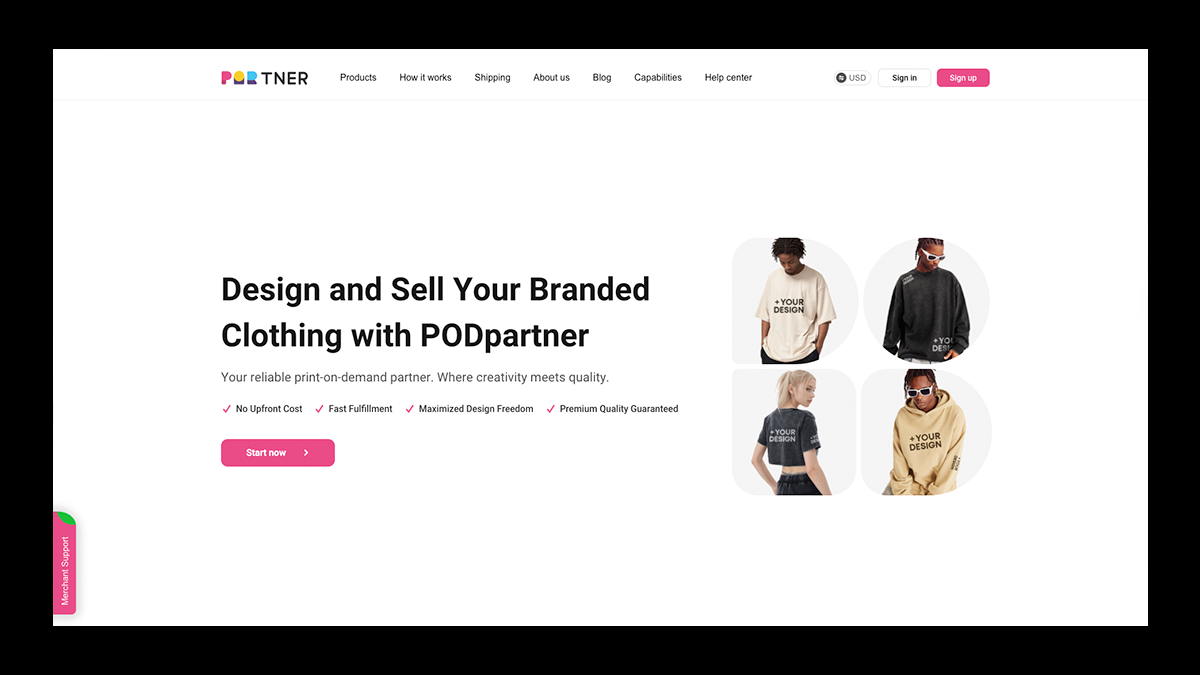
PODpartner is a platform that focuses exclusively on apparel. Offering modern silhouettes like oversized tees, heavyweight hoodies, and pigment-dyed styles that feel aligned with real fashion brands.
It supports both DTG printing and high-end embroidery, with unusually large print and stitch areas that give creators far more design placement freedom than most POD platforms.
Fulfillment is fast, with most orders produced in about 48 hours, and global shipping options include standard, fast, and express delivery.
Factor in a built-in personalization tool that lets you customize apparel designs and labels, and PODpartner feels less like a generic POD service and more like a production partner for serious brands.
💰Pricing
- Free to Use: $0/month — Pay only when a product is ordered (base product + customization + shipping).
✅ Pros
- Premium-feeling apparel with modern, fashion-forward styles
- Excellent embroidery quality and large customization areas
- Fast production times compared to many POD competitors
- Customer-facing product personalization is built into Shopify
- No upfront costs or paid plans
❌ Cons
- Apparel-only catalog (no mugs, posters, or accessories)
- Fewer integrations than larger POD networks
- Design tools are simple, with no built-in AI features
Choosing the Right POD Platform for Your Needs
Teelaunch is great for those just starting out in the print-on-demand landscape. However, many creators eventually outgrow its limitations around branding, sales channels, and audience ownership.
If your goal is to build more than just merch—and instead create a sustainable business around your content—you’ll need a platform that puts creators first.
That’s exactly where Fourthwall shines, combining print-on-demand, digital products, memberships, and fan support into one streamlined system.
You don’t have to manage plugins, storefronts, or fulfillment logistics on your own.
If you’re ready to take control of your brand and monetize your audience more effectively, Fourthwall is the smartest next step.
FAQ: Teelaunch Alternatives
Is Teelaunch still worth using?
Teelaunch can still be a good option for Shopify sellers who want a simple, low-cost way to launch print-on-demand products without upfront inventory.
It’s reliable and affordable, but its limited design tools, lack of sample orders, and outdated interface mean many growing brands eventually outgrow it.
It works best as a starting point rather than a long-term solution.
What are the best Teelaunch alternatives for print-on-demand?
Top Teelaunch alternatives include Fourthwall, Printify, Gelato, CustomCat, and Merchize.
These platforms offer stronger design tools, broader integrations, faster fulfillment options, or more control over branding and customer experience.
The best choice depends on whether you value creator monetization, global shipping, premium apparel, or multichannel selling.
Why do sellers switch from Teelaunch to other POD platforms?
Sellers typically leave Teelaunch when they need better branding options, more advanced design tools, or access to additional sales channels.
Limitations in sample availability, personalization flexibility, and platform scalability often push growing businesses to look elsewhere.
As stores mature, operational efficiency and customer ownership become more important than simplicity alone.
What print-on-demand platform is best for Shopify sellers in 2026?
For Shopify sellers in 2026, Fourthwall stands out as the best all-in-one option, especially for creators and brands focused on long-term growth.
It combines print-on-demand with storefront building, digital products, memberships, and built-in fulfillment, eliminating the need for multiple tools.
For sellers who want pure supplier flexibility, Printify remains a strong alternative.
Matt Keyser is a writer at Fourthwall who lives at the intersection of social media and Creator culture. With 4+ years of experience covering industry trends, his work focuses on helping Creators and brands understand how to turn their passion into a thriving business while maintaining a constant pulse on the latest eCommerce and social media trends.


You might also like

9 Best Kajabi Alternatives for Course Creators in 2026

What to Sell Online: How to Find a Product People Want

8 Best Spreadshirt Alternatives for Print-on-Demand in 2026

7 Best Sellfy Alternatives for Creators and Brands in 2026

27 Best Digital Products to Sell as a Creator
.webp)
Top 8 Wix Alternatives for Creators Building an Online Store in 2026

How to Create and Sell Print on Demand Journals and Notebooks

9 Gumroad Alternatives for Digital Creators in 2026

10 Best Stan Store Alternatives for Creators in 2026

Keep up with the latest from Fourthwall
New features, product updates, trend breakdowns, and creator stories — straight to your inbox.