
13 Best Shirtigo Alternatives for Creating Influencer Merch in 2026
The Ultimate Guide for Influencers Who Want Premium Merch With Better Tools


As the creator economy continues to explode, so does the demand for print-on-demand platforms designed specifically for modern influencers.
Today, these platforms go far beyond the typical POD model of basic tees and coffee mugs—they offer sustainable fabrics, niche product lines, built-in storefronts, AI design tools, and seamless integrations that let creators launch and scale merch without friction.
Among these rising creator-focused platforms, Shirtigo has carved out a niche of its own.
With fast German-based production, eco-conscious processes, advanced automation tools, and premium branding options, it’s become a favorite for creators who want quality, speed, and sustainability in one place.
In this guide, we’ll break down everything you need to know about Shirtigo—its strengths, its limitations, and whether it’s the right fit for your business.
We’ll also break down 13 alternative creator-focused platforms that you should check out in 2026 that offer better products, pricing, and branding tools, depending on your goals.
What Is Shirtigo?
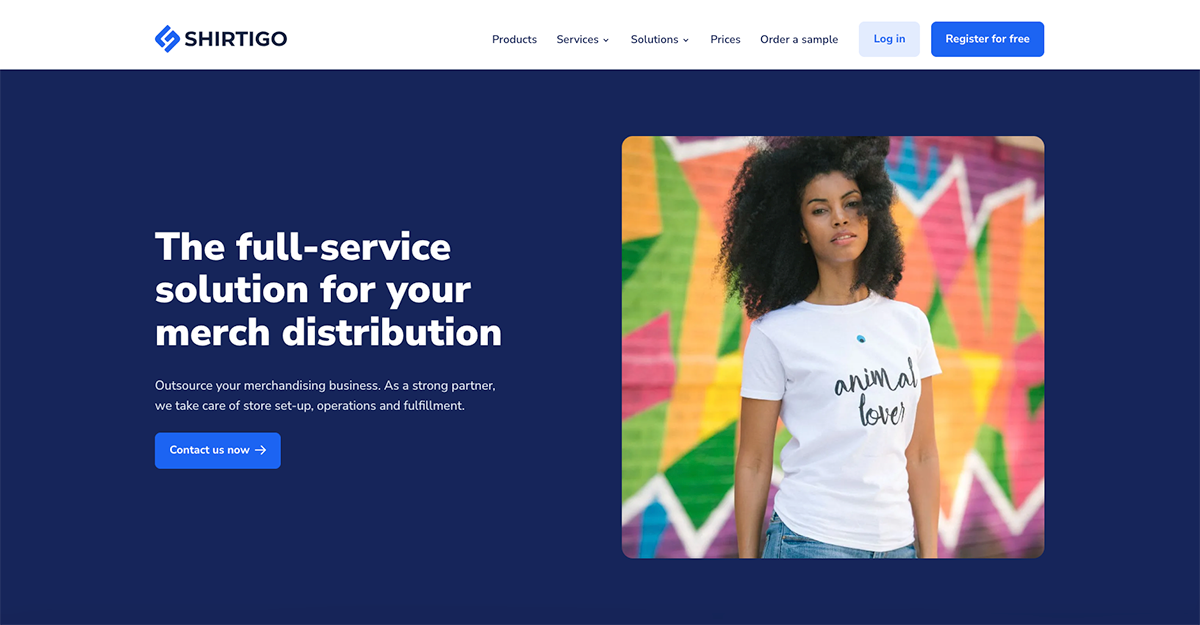
Shirtigo is a German print-on-demand and fulfillment provider offering over 200 customizable products, all produced in-house using state-of-the-art Industry 4.0 automation.
Since its founding, the company has focused on fast production, precise print quality, and a sustainability-first approach.
Their mission is to make POD accessible to everyone—creators, brands, agencies, and businesses—while minimizing waste and maintaining strict quality standards.
With no subscription fees, local EU production, short fulfillment times, and a strong set of integrations, Shirtigo has become a popular European POD solution for sellers who value reliability and craftsmanship.
Why Makes Shirtigo Stand Out?
In a crowded POD landscape where many platforms feel interchangeable, a few key features can make all the difference for influencers who want better quality and more control of their merch.
Shirtigo distinguishes itself through hands-on production, advanced automation tools, and branding options that elevate merch beyond the typical print-on-demand experience.
Below are the standout capabilities that set it apart and make it a compelling choice for creators ready to scale with confidence.
Fast Fulfillment & Express Options
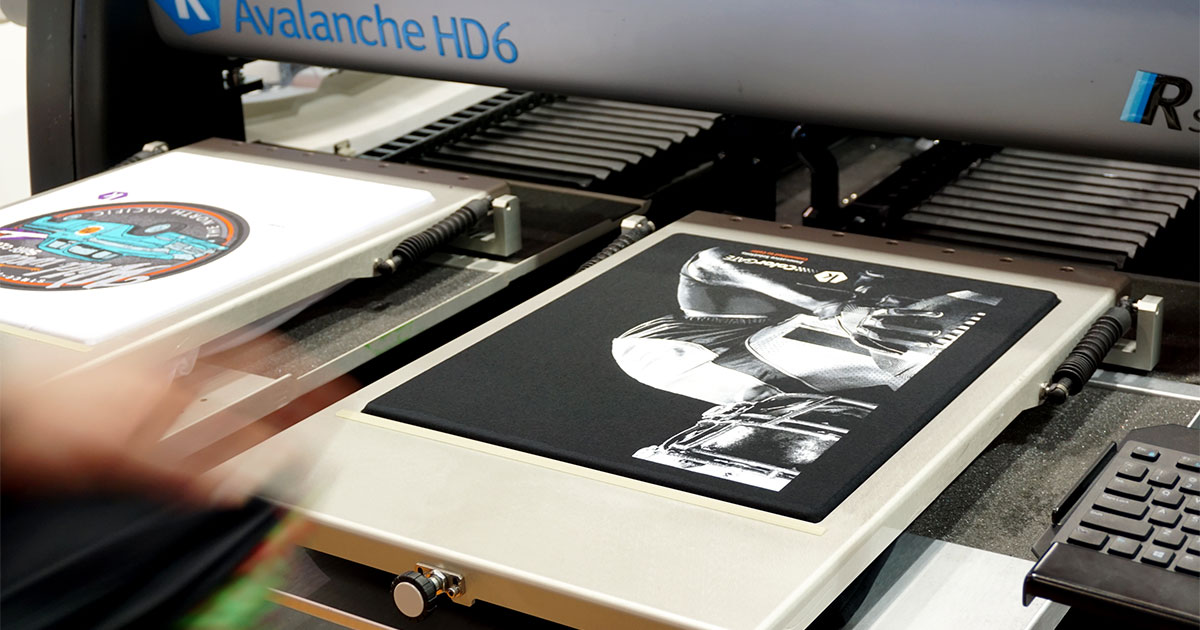
Production typically takes just 2–5 business days, giving creators a predictable turnaround time even during busy seasons.
For urgent launches or trend-driven products, Shirtigo also offers an optional 24-hour express production window, something few POD suppliers provide.
These faster speeds give creators a competitive advantage, especially if their audience expects quick delivery or if they frequently release limited drops.
Compared to POD platforms that take a week or more just to begin production, Shirtigo’s fulfillment pace stands out as one of the most efficient.
Sustainable, Eco-Friendly Production
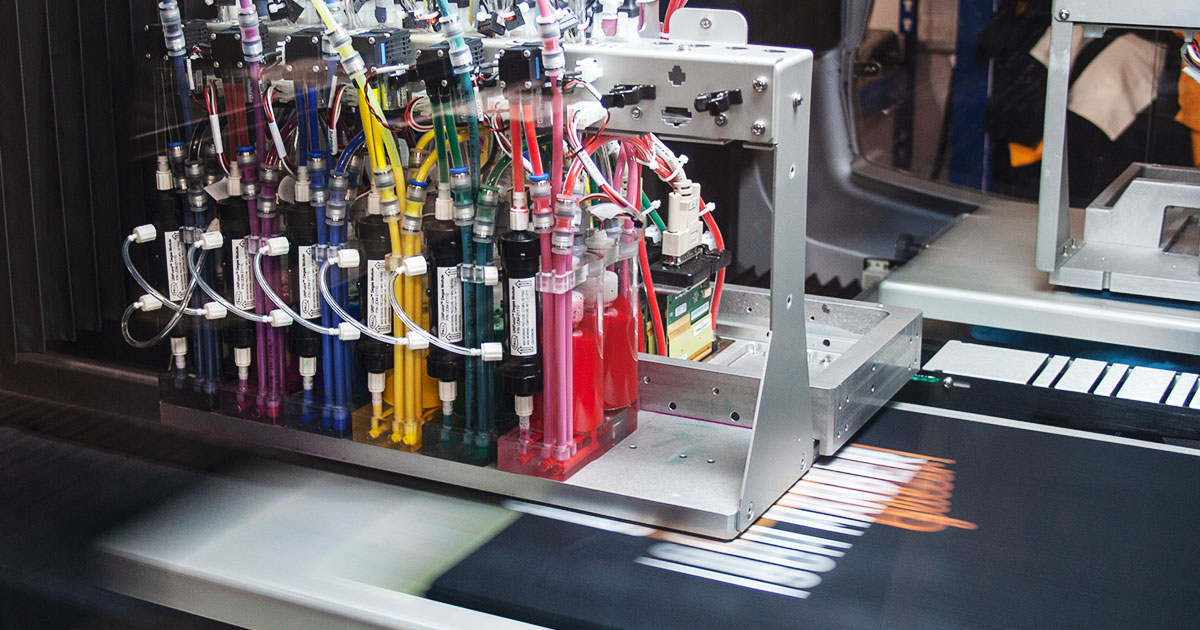
Sustainability is woven into Shirtigo’s entire model, starting with on-demand production that eliminates overstock and reduces textile waste.
They print using water-based, biodegradable inks on energy-efficient machines, lowering environmental impact without sacrificing print quality.
Every order is shipped in plastic-free packaging, with optional glassine bags for sellers who want a fully eco-conscious unboxing experience.
Combined with organic, GOTS- and OEKO-TEX–certified apparel from Stanley/Stella, Shirtigo has become one of Europe’s strongest sustainability-first POD platforms.
Advanced Branding Options
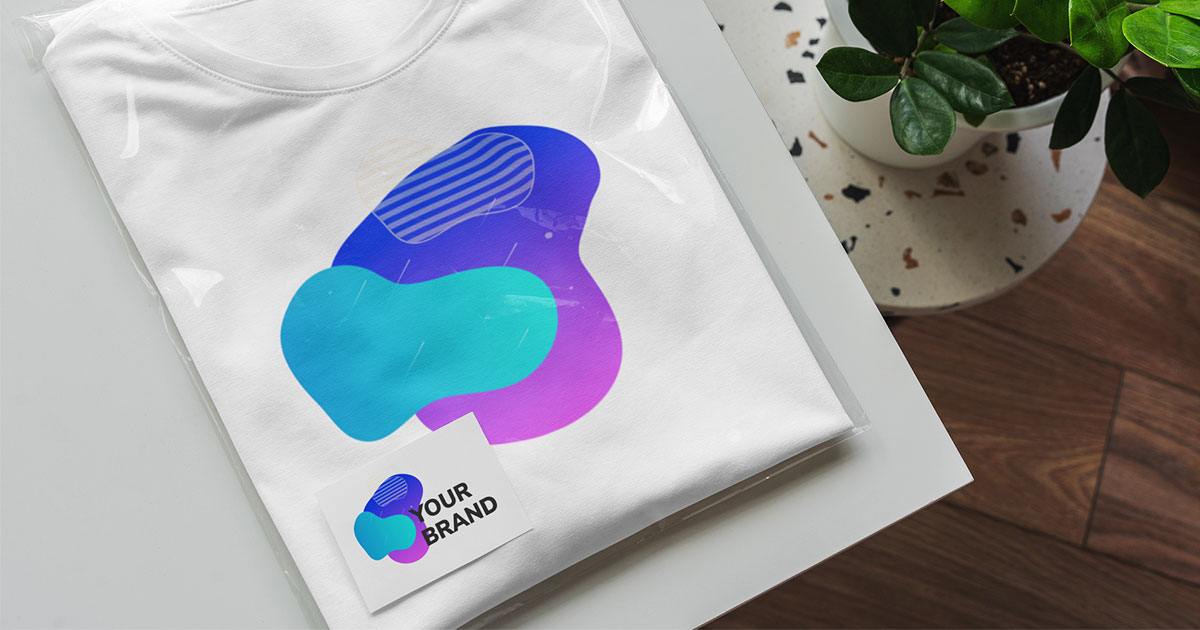
Shirtigo provides a suite of branding features that allow creators to elevate their products far beyond standard POD merchandise.
Options like neck prints, woven labels, hangtags, branded inserts, stickers, and custom delivery notes let creators build a cohesive, high-end customer experience.
Even the packaging itself can be personalized, with polybags or sustainable glassine materials available.
Integrations With Major Platforms
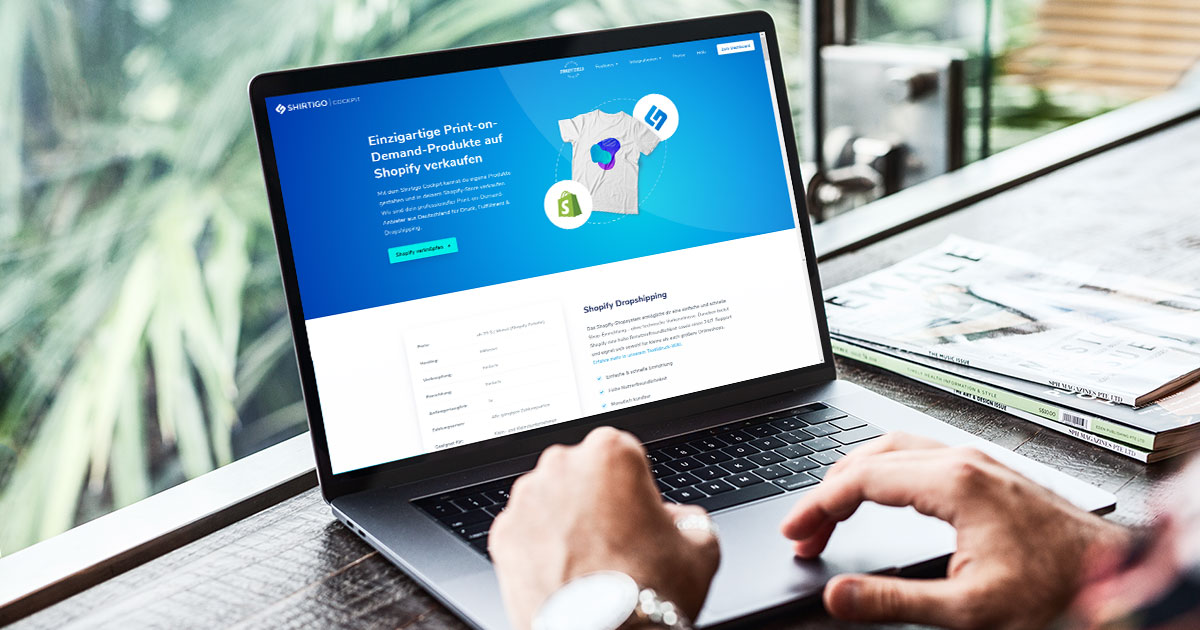
Shirtigo integrates smoothly with leading eCommerce platforms and marketplaces, including Shopify, WooCommerce, Etsy, Shopware, PrestaShop, eBay, Amazon, TikTok Shop, and OrderDesk.
Connecting your store takes only a few clicks, after which orders automatically sync and flow straight into production.
Tracking updates, fulfillment stages, and shipping notifications are handled automatically, reducing manual work for creators.
For sellers running multiple shops, this automation significantly simplifies operations and keeps fulfillment running smoothly.
Shirtigo Creator & AI Design Tools
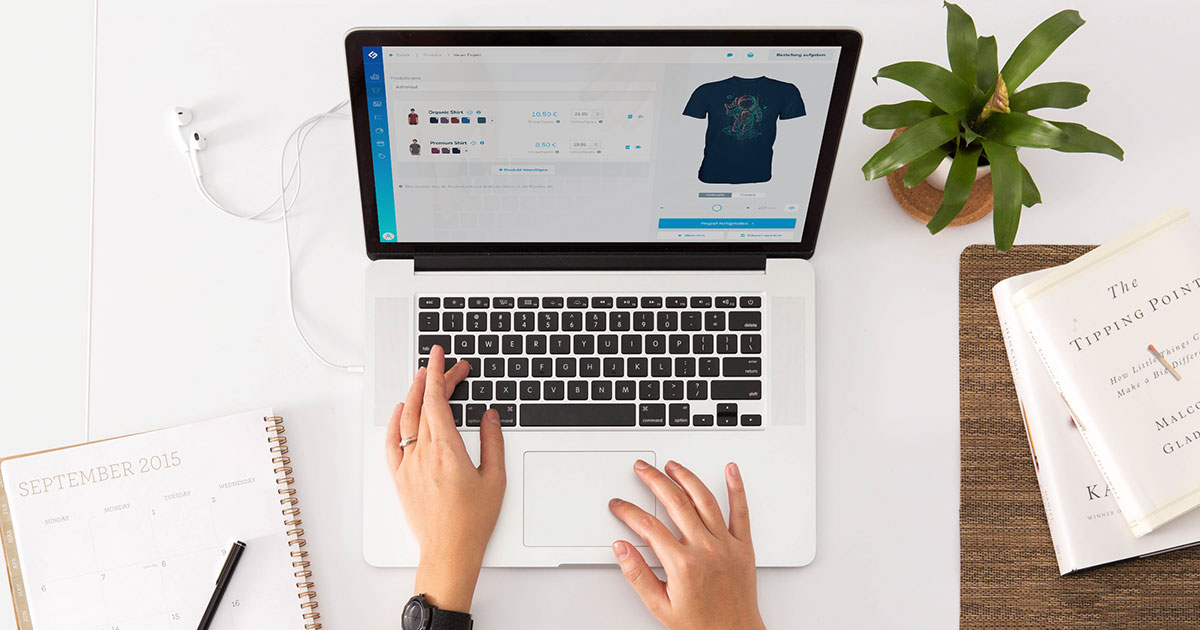
The built-in Shirtigo Creator tool makes designing products fast and intuitive with its drag-and-drop interface.
Their integrated AI tools (such as AI image generation, upscaling, and background removal) help creators generate print-ready artwork without needing external software.
Personalization features allow customers to customize products with names, photos, or templates, thereby significantly increasing conversion rates and average order value.
All together, these tools make it easy to experiment with new concepts or build full collections in minutes.
Top of the Line Warehousing

For brands ready to scale, Shirtigo goes beyond POD by offering professional warehousing, multi-item fulfillment, and fully managed returns processing.
Creators can store pre-produced items or bulk inventory inside Shirtigo’s German facility, ensuring faster delivery and lower per-unit costs for top sellers.
Their pick-and-pack services make it easy to bundle items, ship multi-SKU orders, or run seasonal promotions.
This hybrid fulfillment model gives growing brands more flexibility than traditional POD providers can offer.
Pricing
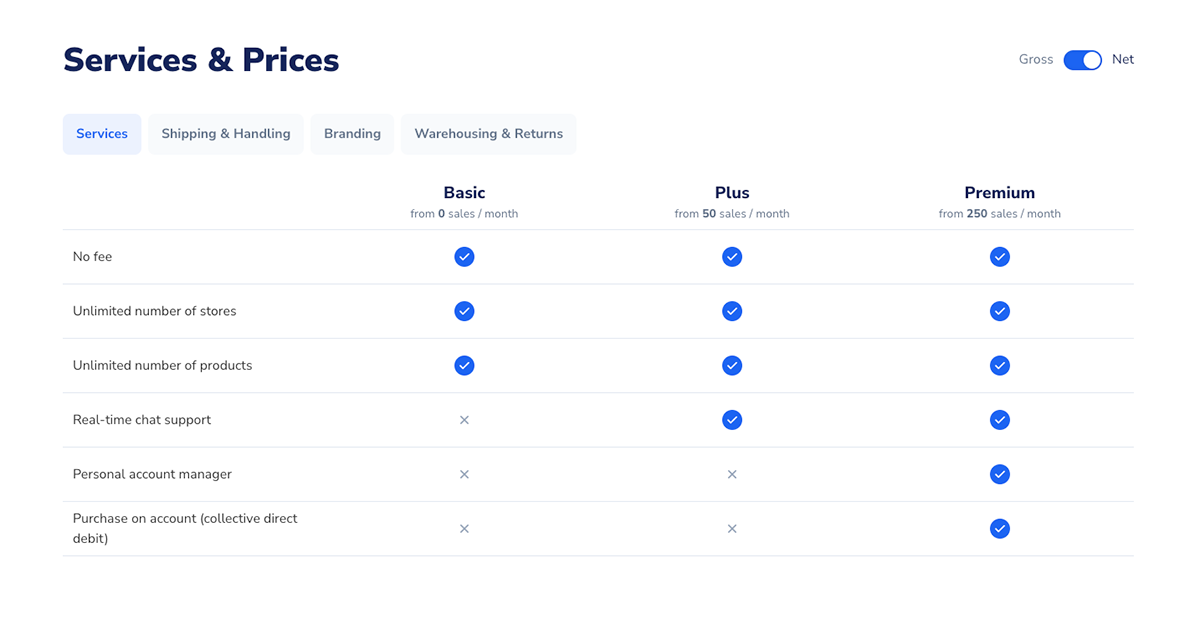
Shirtigo operates on a free-to-use, no-subscription model, making it accessible for new creators and established brands alike.
You only pay for what you produce, such as product-based costs, printing fees, shipping, and optional branding or warehousing services.
There are no monthly commitments, hidden costs, or setup fees, creating a low-risk environment for launching or scaling merch.
Why You Might Want a Shirtigo Alternative
Even with strong fulfillment, eco-friendly production, and high-quality custom products, Shirtigo won’t meet every creator’s needs.
Depending on your catalog size, shipping time requirements, or desire for built-in monetization tools, another POD platform may offer a more flexible or scalable experience.
🛍️ Smaller Product Catalog
Shirtigo’s catalog includes around 200 customizable products, mainly apparel, drinkware, bags, and basic home decor, making it ideal for simple merch lines but limiting for creators who want niche or high-volume print-on-demand options.
If you're looking for thousands of SKUs, specialty items, or unique, custom products with advanced customization options, you may find the selection restrictive.
🇩🇪 Primarily Designed for EU Sellers
Because all production is handled in-house by local printing and DTG technology in Germany, fulfillment is fast for nearby customers.
However, longer shipping times and higher rates may affect U.S. and international buyers.
If most of your audience is outside Europe, the product pricing and shipping times can be less competitive than those of global POD networks with multiple print hubs.
Sellers who need fast worldwide shipping may prefer alternatives optimized for global delivery.
🛒 No Built-In All-In-One Storefront
Shirtigo integrates with major platforms, but it doesn’t include a full no-code storefront, paid plans with hosting, or a built-in checkout like Fourthwall or Sellfy.
This means creators must rely on external store systems and handle setup separately, which adds cost and complexity.
If you're looking for a free plan that includes a complete storefront, built-in mockup tools, and direct merch management without extra apps, a different platform may serve you better.
👩🏻💻 No Marketplace Exposure
Unlike marketplace-driven POD platforms like Redbubble, TeePublic, or Spreadshirt, Shirtigo doesn’t provide built-in traffic or organic visibility.
You won’t benefit from customers browsing for eco-friendly products, apparel, home decor, or custom gifts.
Every sale requires your own marketing funnel, which can be challenging for new creators who want exposure without running ads or building an audience from scratch.
🎨 Limited Monetization & Branding Tools
Shirtigo excels at custom branding (woven labels, neck prints, hangtags, custom packaging), but it lacks digital monetization features such as memberships, donations, and downloadable products.
It also doesn’t offer advanced tools like automatic packing slip customization, built-in paywalls, or expanded creator monetization, as found on all-in-one platforms.
If you want a POD solution that bundles merch, eco-conscious production, and digital income streams under a single dashboard, alternatives like Fourthwall or Sellfy are more complete.
Overall Thoughts
Shirtigo delivers one of the most polished, creator-friendly POD experiences available in Europe, thanks to its fast in-house production, eco-conscious workflows, premium materials, and exceptional branding options.
Its “produce-to-the-piece” model, combined with advanced automation and sustainable practices, makes it a standout for creators who want reliable quality, quick fulfillment, and ethically made merch without the guesswork.
For EU-based sellers, especially those targeting Germany, Austria, the Netherlands, or other nearby regions, Shirtigo is arguably one of the best print-on-demand partners.
However, its strengths become limitations for creators with a global audience.
Because all manufacturing happens in Europe, international shipping (particularly to the U.S., Canada, Australia, or Asia) can be slower and more expensive than what globally distributed POD networks provide.
And while its catalog is high-quality, it’s smaller than many competitors, which may restrict sellers who need a broader product variety or niche categories.
Top Shirtigo Alternatives for Creating Influencer Merch
Below are the 13 best Shirtigo alternatives, each offering unique strengths in catalog size, eco-friendliness, fulfillment speed, store tools, or monetization features.
1. Fourthwall

Fourthwall is one of the strongest Shirtigo alternatives for creators who want more than just print-on-demand—it’s a full creator storefront built to help influencers launch complete merch brands without touching a single piece of code.
Unlike Shirtigo, which focuses primarily on production and fulfillment, Fourthwall gives you a fully customizable website, powerful design tools, a polished mockup generator, and a seamless checkout system all in one place.
With a catalog of 370+ products, including eco-friendly options, apparel, drinkware, home décor, and creator-focused items, it offers far more variety and flexibility for sellers who want to experiment with new collections or niche merch lines.
Fourthwall also shines with features Shirtigo doesn’t offer, like memberships, digital product sales, donation tools, and gated content, letting creators build recurring revenue streams beyond physical products.
For influencers who want both premium POD quality and an all-in-one platform to grow their brand, Fourthwall is one of the most complete solutions available.
💰 Pricing
- Free Plan: $0/month — No platform fees on physical POD products, 5% fee on digital products and memberships, access to storefront builder, integrations, mockup tools, and core creator features.
- Pro Plan: $19/month or $180/year — 0% fees on digital sales, free .store domain, $10 monthly sample credit, advanced analytics, unlimited team members, and priority customer support.
✅ Pros
- Complete no-code storefront builder with hosted checkout
- Sell physical merch, digital products, memberships, and accept tips in one place
- High-quality 3D mockup generator for polished visuals
- Strong integrations with YouTube Merch Shelf, TikTok Shop, and Twitch Gifting
- Built-in email marketing, automation, and CRM tools
- Extensive catalog with eco-friendly options and global fulfillment
- Excellent support and onboarding for creators
- Mobile app for membership communities
❌ Cons
- Not as sustainability-focused as Shirtigo or other eco-only POD platforms
- No built-in marketplace for organic traffic or discovery
- Doesn’t support highly niche print methods like laser engraving or leather embossing
2. Merchize
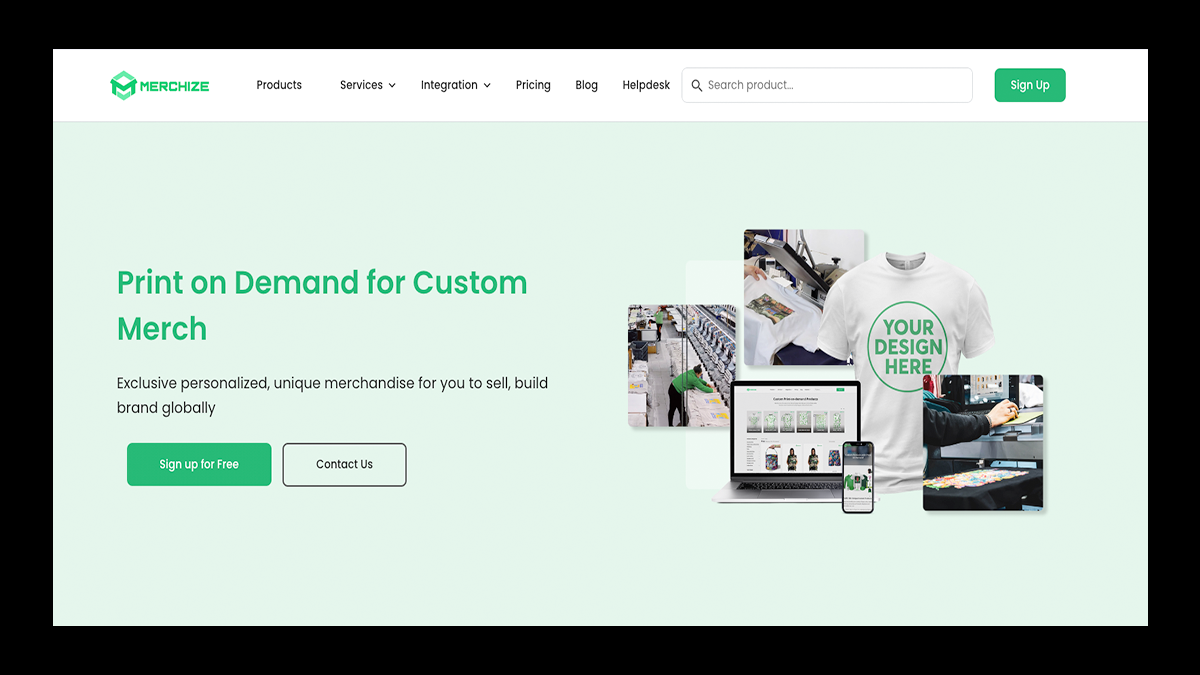
Merchize is the kind of POD platform built for creators who refuse to think small, offering global production, hundreds of customizable products, and enough flexibility to scale a merch line into a full-blown brand.
Instead of focusing on a single region, Merchize operates across fulfillment centers in the U.S., Vietnam, Europe, and Australia—giving sellers faster shipping times and lower product costs no matter where their customers are.
Its catalog is enormous, offering 600+ customizable products ranging from DTG apparel and all-over prints to home decor, ornaments, automotive accessories, and niche seasonal items you won’t find on most POD platforms.
Merchize also supports a wide range of print methods (DTG, DTF, sublimation, embroidery, and UV printing), as well as custom labels, packaging, and low-MOQ branding options.
For creators who want Shirtigo-level control but with a larger catalog, better global reach, and flexible store options, Merchize is one of the strongest platforms to consider.
💰 Pricing
- Free Plan: $0/month — Pay-as-you-sell model with access to full catalog, mockups, order management, and integrations.
- Premium Plans: Starting at $24.99/month — Includes steep product discounts, improved margins, support for multiple stores, and better wholesale pricing.
- Enterprise: Custom pricing — Advanced support, bulk discounts, and tailored infrastructure for high-volume sellers.
✅ Pros
- Huge catalog of 600+ products, including hard-to-find niche items
- Extremely competitive base pricing for substantial profit margins
- Supports Shopify, Etsy, Amazon, TikTok Shop, WooCommerce, and Merchize’s built-in storefront
- Offers DTG, DTF, sublimation, UV printing, and embroidery
- Global fulfillment network for faster worldwide shipping
- Great branding options (custom labels, hangtags, packaging, inserts)
- Excellent for marketplace sellers and high-volume campaigns
❌ Cons
- Support and documentation are less polished than those of long-established POD providers
- Best pricing and margins require premium plans or high-volume sales
- Quality can vary depending on which regional fulfillment center prints the order
- Dashboard is powerful, but it has a learning curve
- Pricing structure can feel complex for absolute beginners
3. Shopify

If you want the power to build a full-scale brand (not just a merch shop), Shopify is one of the strongest alternatives to Shirtigo.
Unlike most POD platforms, Shopify isn’t tied to a single production partner; instead, it lets you integrate with virtually any POD service, from Printify and Gelato to Fourthwall, TPOP, AOP+, and beyond.
This gives creators unlimited flexibility in product variety, pricing, shipping speed, and eco-friendly options. Shopify’s biggest strength is its ecosystem: thousands of apps for marketing, AI tools, SEO, upsells, subscriptions, reviews, analytics, and everything else you need to scale.
For creators who want complete control, custom branding, advanced automation, and an actual standalone store, Shopify offers what Shirtigo can’t—a whole business infrastructure built to grow.
💰 Pricing
- Basic Plan: $39/month — Best for solo entrepreneurs. Includes a complete online store, 77% shipping discounts, and up to 10 inventory locations.
- Shopify Plan: $105/month — Adds advanced reporting, 5 staff accounts, 88% shipping discounts, and priority support.
- Advanced Plan: $399/month — Designed for scaling stores, offering custom reports, international storefronts, and third-party calculated shipping rates.
- Shopify Plus: Starts at $2,300/month — For enterprise-level sellers with complex needs, wholesale capabilities, and advanced API access.
✅ Pros
- The most customizable and scalable eCommerce builder
- Massive ecosystem of POD apps and integrations
- Unlimited product variety depending on your POD partners
- Exceptional marketing, SEO, and automation tools
- Supports global payments, multi-language, and multi-currency stores
❌ Cons
- Monthly fees add up
- Requires third-party apps for POD
- No built-in merchandising or fulfillment tools
4. Spreadshirt

As both a print-on-demand provider and a massive global marketplace, Spreadshirt gives creators two ways to earn: passive marketplace royalties or a customizable Spreadshop for more control.
Unlike Shirtigo’s EU-centric, quality-driven model, Spreadshirt focuses on accessibility, making it easy for beginners to get products live without technical setup or integrations.
It also includes a selection of organic and eco-friendly apparel, giving creators a greener option even within a marketplace setting.
For influencers or artists who want to reach buyers quickly without managing fulfillment or building a full eCommerce ecosystem, Spreadshirt is one of the most approachable options.
💰 Pricing
- Free to Use: $0/month — You earn royalties on each sale; no monthly fees or setup costs.
✅ Pros
- Built-in global marketplace traffic
- Free storefront (Spreadshop) with simple customization
- Organic and eco-friendly apparel options available
- No website or integrations required
- Fast, automated fulfillment with U.S. and EU production
❌ Cons
- Lower profit margins compared to platforms where you set full pricing
- Limited branding options (no custom packaging, labels, or inserts)
- You don’t own customer data from marketplace sales
- Shop customization is basic, with no advanced layouts or apps
5. Bonfire
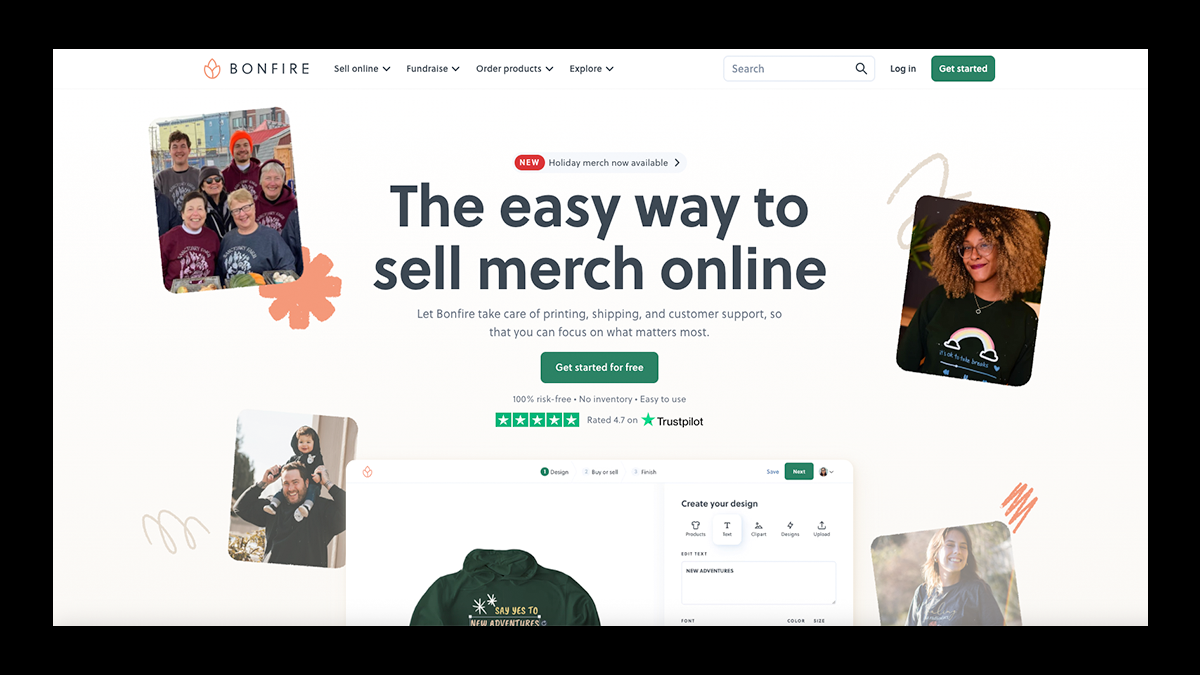
Designed with creators, streamers, nonprofits, and cause-driven brands in mind, Bonfire blends clean design tools with campaign-based selling, allowing you to launch limited drops, fundraisers, or pre-order runs without paying a cent upfront.
Its catalog may be tighter than all-purpose POD giants, but what it does offer (premium tees, hoodies, totes, eco-friendly apparel, and water-based ink printing) is consistently high-quality and built for storytelling.
Creators love Bonfire because it makes campaigns feel bigger than products: you get free storefronts, built-in fundraising features, audience engagement tools, and print quality that easily competes with top-tier merch suppliers.
If you want a Shirtigo alternative that prioritizes community, purpose, and beautifully printed, branded merch, Bonfire is one of the strongest picks.
💰 Pricing
- Free to Use: $0/month — Pay only for the base cost of each product sold. No subscription fees.
✅ Pros
- Best fundraising + campaign tools in the POD industry
- Free, clean creator storefronts
- Organic and eco-friendly apparel options
- Excellent screen printing quality
- Great for nonprofits, creators, and community-driven brands
❌ Cons
- Smaller catalog than most POD platforms
- Lower margins, especially on small batches
- Limited sales channels (no Shopify or Etsy integration)
6. Sellfy
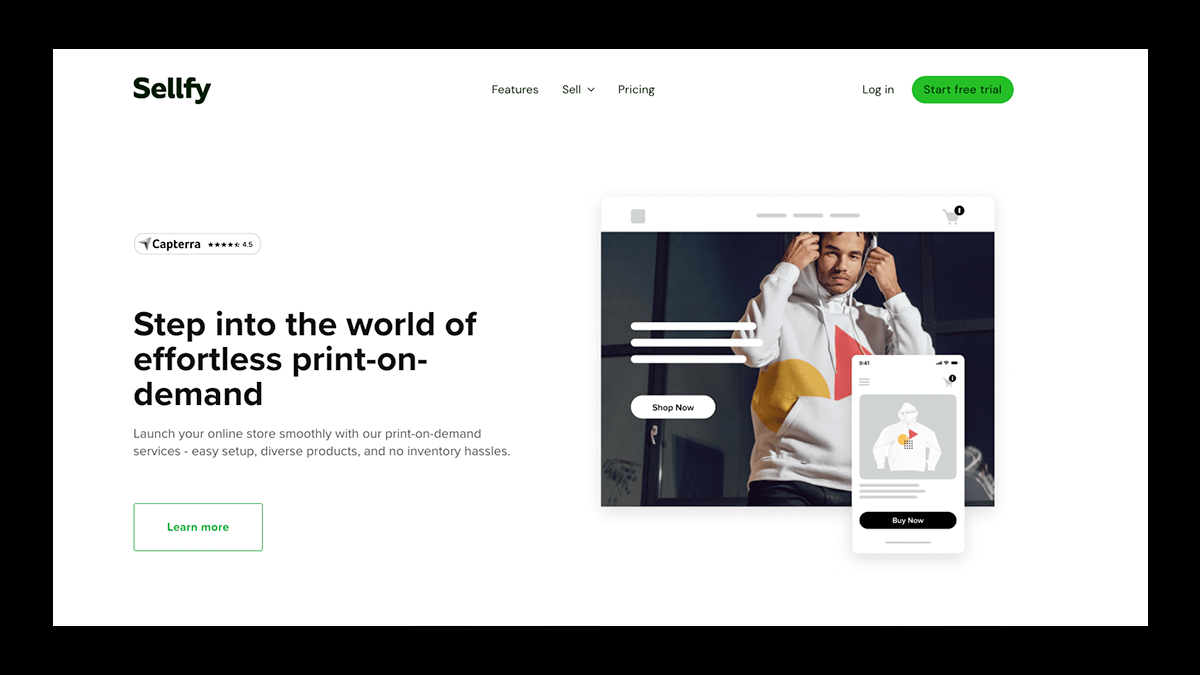
Sellfy feels like the rare platform built exactly for creators who want to launch merch without wrestling a dozen plugins, apps, or complicated dashboards.
Instead of piecing together a store from scratch, Sellfy gives influencers a sleek, ready-to-run storefront where they can sell print-on-demand apparel, digital downloads, subscriptions, and even paywalled video—all from one streamlined control panel.
Its POD catalog is smaller than industry giants, but the quality, eco-friendly apparel options, and built-in mockups make it perfect for creators who want fast, clean, no-friction merchandising.
Where Shirtigo focuses on EU-based production and fulfillment workflows, Sellfy’s strengths lie in simplicity and flexibility: you can run your whole creator business—merch, digital files, memberships, and more—under one unified brand.
For creators who want speed, branding freedom, and diversified revenue, Sellfy is one of the most creator-friendly options available.
💰 Pricing
- Starter: $29/month — Includes unlimited products, digital downloads, basic email marketing, and Sellfy-branded storefronts.
- Business: $79/month — Removes Sellfy branding, unlocks cart abandonment recovery, upsells, affiliates, and higher email limits.
- Premium: $159/month — Includes priority support, advanced email credits, and higher annual sales limits.
✅ Pros
- All-in-one storefront for POD, digital products, subscriptions, and video
- Clean, fast setup with built-in marketing (email, discounts, upsells)
- Let's creators host a fully branded, standalone shop
- Eco-friendly apparel available through sustainable suppliers
- No platform transaction fees
❌ Cons
- POD selection is smaller than Printify, Printful, or Merchize
- No internal marketplace for discovery
- Most advanced features require a paid plan
7. Amaze
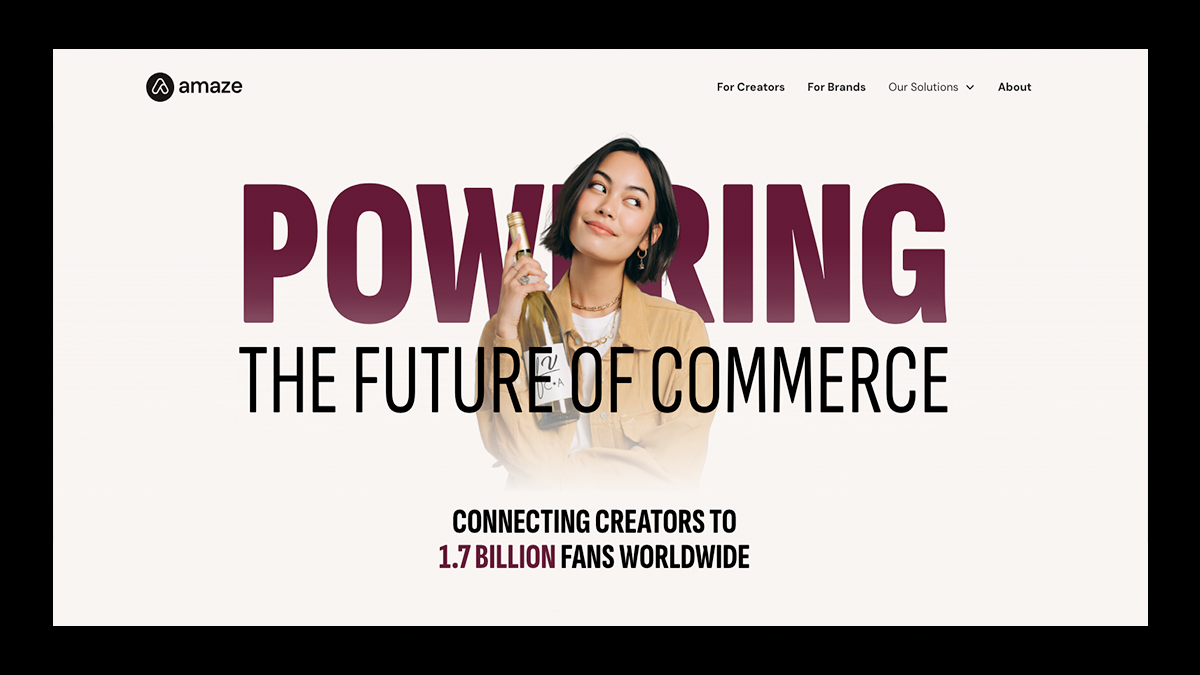
Originally a no-code mobile design tool, Amaze has evolved into a creator-focused commerce engine that lets influencers design merch, build mobile-first storefronts, and embed shoppable products across TikTok, Instagram, YouTube, and personal websites.
Thanks to its integration with Spring (aka Teespring), its print-on-demand catalog covers customizable apparel, posters, stickers, accessories, and lifestyle products, all supported by made-to-order fulfillment that keeps waste low and operations simple.
Compared to Shirtigo’s production-heavy, EU-centered workflow, Amaze focuses on speed, UX, and cross-platform reach, making it ideal for influencers who want fast setup, mobile-native shopping experiences, and conversion-optimized product pages.
For creators who value frictionless execution over deep customization or sustainability tools, Amaze is one of the most intuitive POD alternatives available today.
💰 Pricing
- Free Plan: $0/month — Core storefront builder, basic templates, and essential product tools.
- Paid Plans: Starting around $14/month — Unlocks advanced layouts, deeper customization, higher limits, analytics, and premium features.
✅ Pros
- Extremely simple, mobile-first product editor
- Clean, fast, conversion-optimized store layouts
- Solid range of apparel, posters, stickers, and accessories
- Strong embeddable widgets for social media and blogs
- No-code workflow that’s ideal for beginners
❌ Cons
- Not sustainability-focused
- Smaller catalog than major POD networks
- Limited branding and fulfillment customization
- Lacks deeper eCommerce features like advanced analytics or CRM tools
8. TPOP
Sustainability sits at the heart of TPOP, and from the moment you explore the platform, it’s clear that eco-friendly merch isn’t an add-on—it’s the entire mission.
Every product is printed on-demand using organic cotton, recycled textiles, FSC-certified materials, and vegan water-based inks that meet GOTS and OEKO-TEX standards.
Packaging is completely plastic-free, and even the shipping process is designed to minimize environmental impact.
Add a built-in storefront builder that eliminates the need for Shopify or additional apps, and TPOP becomes a powerful, ethical alternative to Shirtigo for creators who want every part of their merch line to reflect their values.
💰 Pricing
- Free Plan: €0/month — Full catalog access, storefront builder, and sustainable POD at no upfront cost.
- Unlimited: €30/month — Up to 1,000 product creations, advanced CMS tools, and AI features.
- Business: €70/month — Unlimited products, upgraded branding, bulk tools, and priority support.
- Enterprise: Custom — Tailored features and support for large-scale sustainable brands.
✅ Pros
- 100% plastic-free shipping and eco-certified production
- Organic cotton, recycled materials, and vegan inks
- Built-in storefront with SEO optimization
- Sustainable branding extras like custom packing slips
- Reliable, low-impact EU fulfillment
❌ Cons
- Smaller catalog compared to major POD networks
- Longer shipping times outside Europe
- More limited mockup and design tools
9. Prodigi
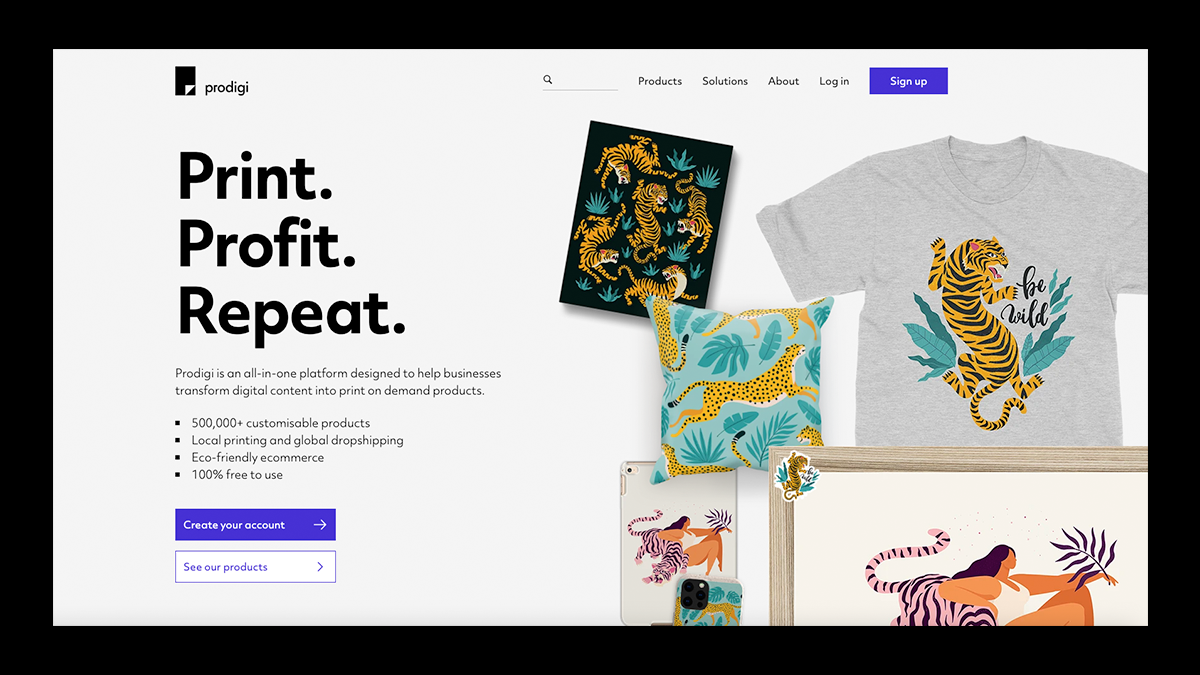
Prodigi is one of the most creator-friendly POD platforms for influencers who care about premium quality but don’t want to be locked into a single print facility.
Instead of producing everything under one roof, Prodigi taps into a global network of 70+ regional print labs, automatically routing each order to the facility closest to your customer.
The result? Faster local shipping, lower carbon emissions, and consistently strong print quality across apparel, wall art, home decor, tech accessories, and more.
With over 500,000 customizable products, it offers one of the widest catalogs in the entire industry, making it a perfect Shirtigo alternative for creators who want high-end merch, vibrant artwork reproduction, and uncommon product categories that stand out.
Creators can also take advantage of advanced print methods such as giclée fine art printing, DTG apparel, and sublimation photo goods—all supported by seamless integrations with Shopify, Etsy, WooCommerce, and custom API integrations.
💰 Pricing
- Free Account: $0/month — No subscription fees; pay only for product + fulfillment.
- Prodigi Pro: $47/month — Unlocks 10–25% product discounts, branded inserts, premium mockups, and dedicated support.
✅ Pros
- Massive 500,000+ SKU catalog with professional art-grade products
- Global local-routing fulfillment for faster, lower-carbon shipping
- Eco-friendly materials, water-based inks, and FSC-certified papers
- Ideal for artists, photographers, and premium merch brands
- High-end print methods (giclée, DTG, sublimation)
❌ Cons
- Quality can vary slightly across partner print labs
- Full branding features require a Prodigi Pro subscription
- More complex setup than beginner POD platforms
- Limited native integrations beyond major eCommerce platforms
10. CustomCat
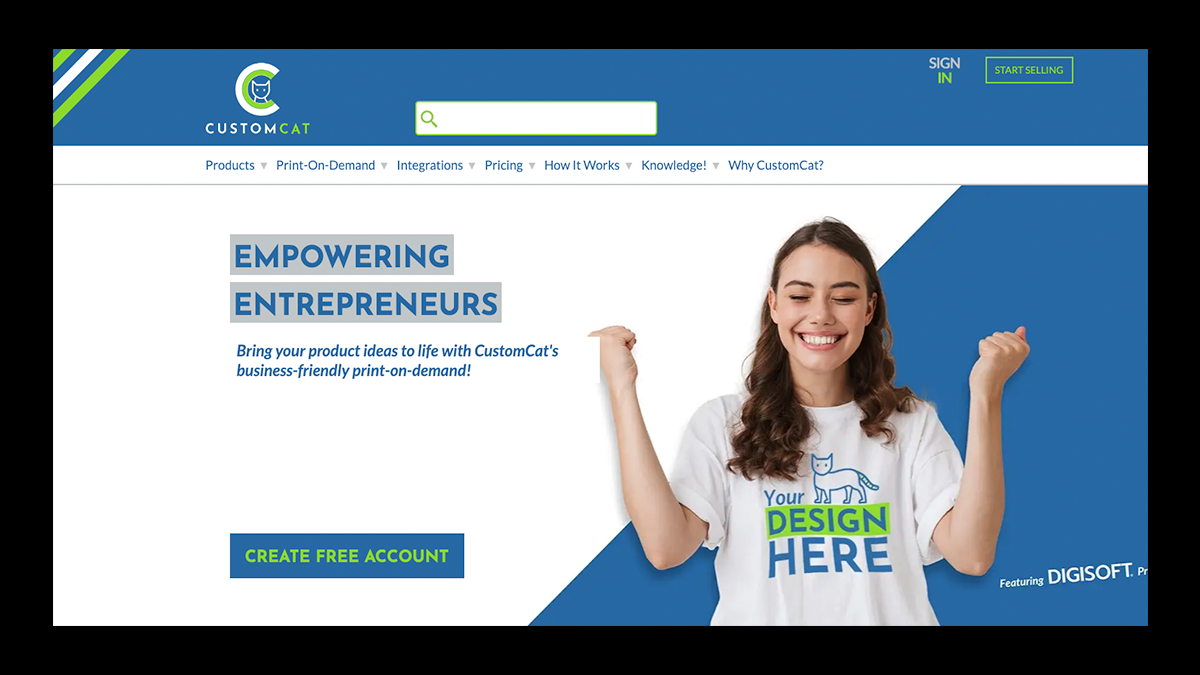
CustomCat is one of the fastest and most cost-effective POD platforms in the U.S., making it a strong alternative to Shirtigo for creators with primarily American audiences.
The platform invests heavily in speed, scale, and pricing, with most orders shipping within 1–3 business days, and its base costs are among the lowest in the industry.
With 300+ customizable products and premium blanks from Bella+Canvas, Adidas, Hanes, and Gildan, creators get a dependable catalog with plenty of merchandising flexibility.
Their in-house production facility also means consistent print quality across DIGISOFT™ (a hybrid DTG/DTF method), embroidery, and sublimation, giving influencers more control over the style and feel of their merch.
For creators who want fast turnaround times, low fulfillment costs, and high profit margins (especially in the U.S.), CustomCat delivers speed and value that Shirtigo can’t match internationally.
💰 Pricing
- Lite Plan: $0/month — Full catalog access, DIGISOFT™, embroidery, sublimation, and standard fulfillment.
- Pro Plan: $30/month — 20–40% off product pricing, priority support, and early access to new products.
- Enterprise: Custom — Deep wholesale discounts (30–50%), API tools, and dedicated account management.
✅ Pros
- Very fast U.S. fulfillment (1–3 business days)
- Some of the lowest product-based prices in POD
- 300+ items, including apparel, drinkware, and blankets
- DIGISOFT™, embroidery, and sublimation for diverse print options
- In-house printing → consistent quality & reliable shipping
- Great for scaling via CSV uploads, API, and marketplace integrations
❌ Cons
- Limited eco-friendly materials compared to Shirtigo
- Few branding extras (no custom packaging or neck labels)
- International shipping can be slow (up to 4 weeks)
- Basic mockup tools with no advanced design features
- No built-in storefront for selling directly
11. Teemill
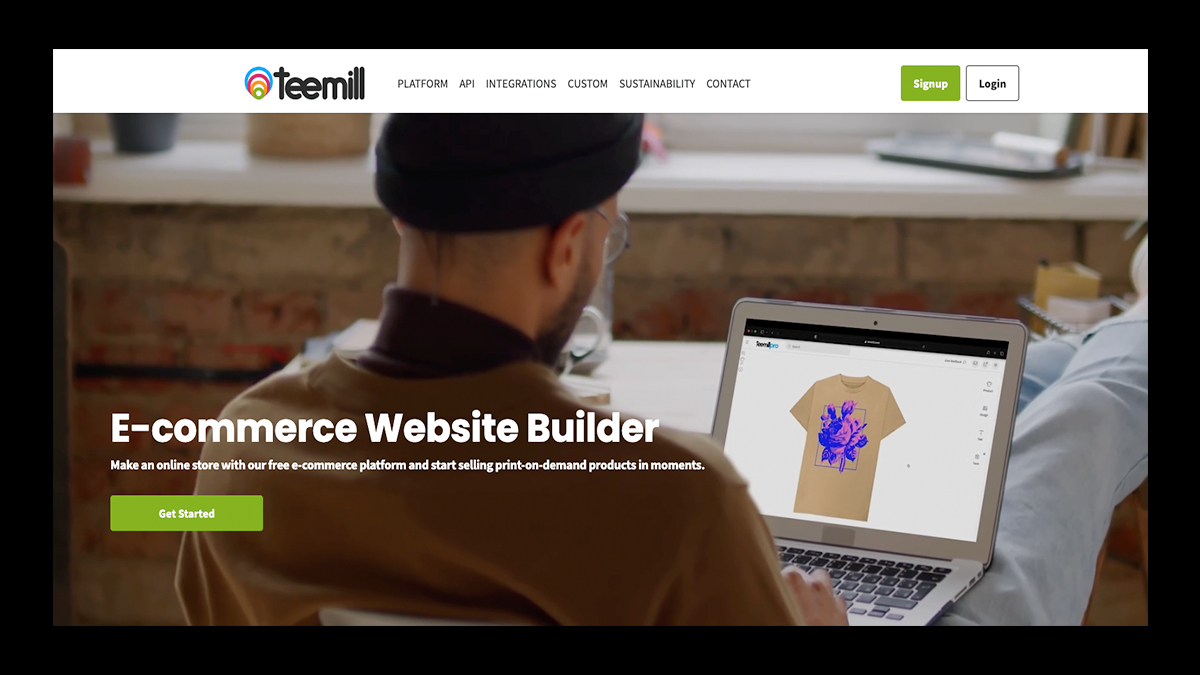
Teemill is one of the few POD platforms where sustainability isn’t a feature—it’s the foundation.
Built on organic cotton, renewable energy, and a fully circular recycling system, Teemill gives creators an easy way to sell merch that genuinely aligns with eco-conscious values.
Every product is made in a plastic-free, closed-loop process that lets customers return old apparel for remaking into new items, creating one of the cleanest production cycles in the industry.
For influencers who want a merch line that reflects real environmental responsibility—not surface-level green branding—Teemill offers a rare combination of ethics, quality, and simplicity.
💰 Pricing
- Free to Use: $0/month — No subscription fees; pay only for products when they sell.
✅ Pros
- One of the most sustainable POD platforms in the world
- 100% organic cotton apparel and plastic-free, renewable-energy production
- Free storefront builder with clean, modern templates
- Closed-loop recycling system for zero-waste merch
- Fast EU/UK fulfillment with strong print quality
❌ Cons
- Smaller catalog focused mainly on apparel
- UK-centric fulfillment can slow U.S. & international delivery
- Limited branding options and fewer print methods
- Higher product base costs due to sustainable materials
12. TeePublic
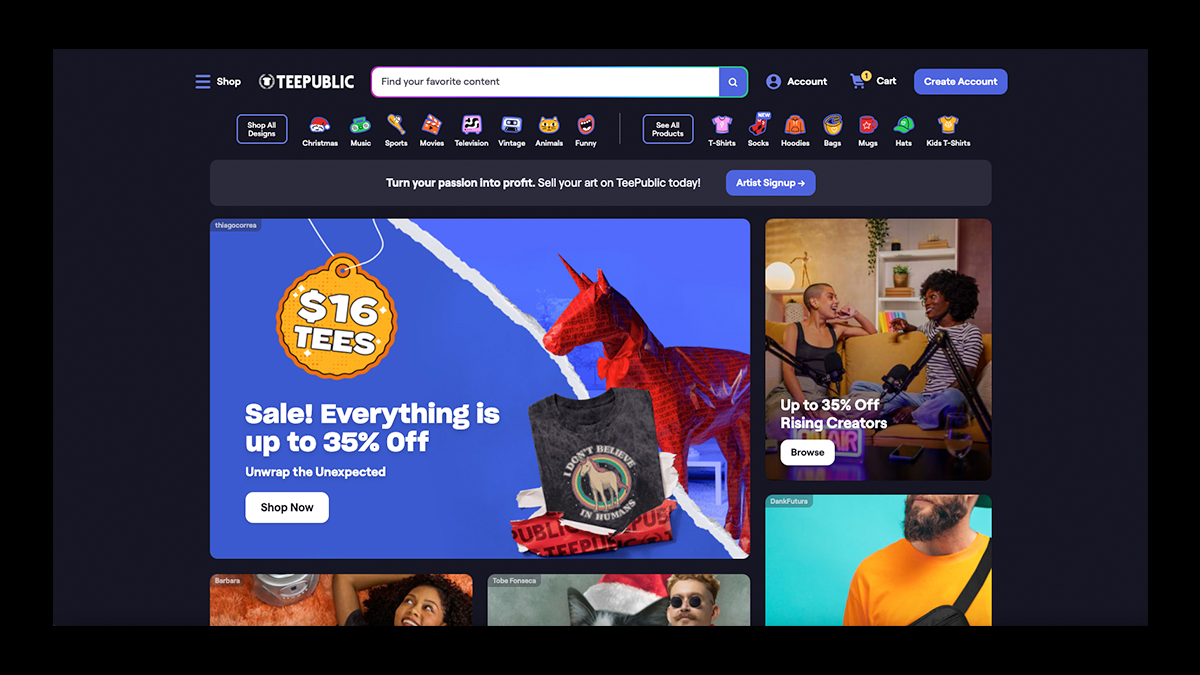
TeePublic is one of the most frictionless ways for creators to monetize their artwork, especially if you want to skip the hassle of building a store, managing fulfillment, or handling customer support.
Instead of worrying about production workflows, you simply upload your designs, add tags, and TeePublic pushes them onto a massive global marketplace where millions of shoppers are already browsing for fresh, trendy, and pop-culture-inspired art.
It doesn’t have the biggest product catalog to work with, but it covers all the essentials creators tend to sell most—t-shirts, hoodies, socks, hats, tote bags, stickers, posters, and even kids' tees—making it easy to launch a wide range of merch without doing any of the backend work yourself.
And as a small but meaningful bonus, TeePublic incorporates water-based inks and WRAP-certified apparel, giving creators at least some ethical foundation behind its massive merchandising engine, even if sustainability isn’t its primary focus.
💰 Pricing
- Free to Join: $0/month — Creators earn royalties on every sale, with rates varying by product type and whether the item sells at full price or during one of TeePublic’s frequent promotions.
✅ Pros
- Massive built-in audience; no need to drive your own traffic
- Zero setup, no integrations, no storefront management
- Great passive income stream for illustrators and designers
- Ethical production with water-based DTG inks and WRAP-certified garments
❌ Cons
- Smaller product catalog (75+) compared to most platforms
- No custom branding, packaging, or customer data access
- No control over store design or product presentation
- Extremely competitive marketplace where visibility can be hit-or-miss
13. Redbubble
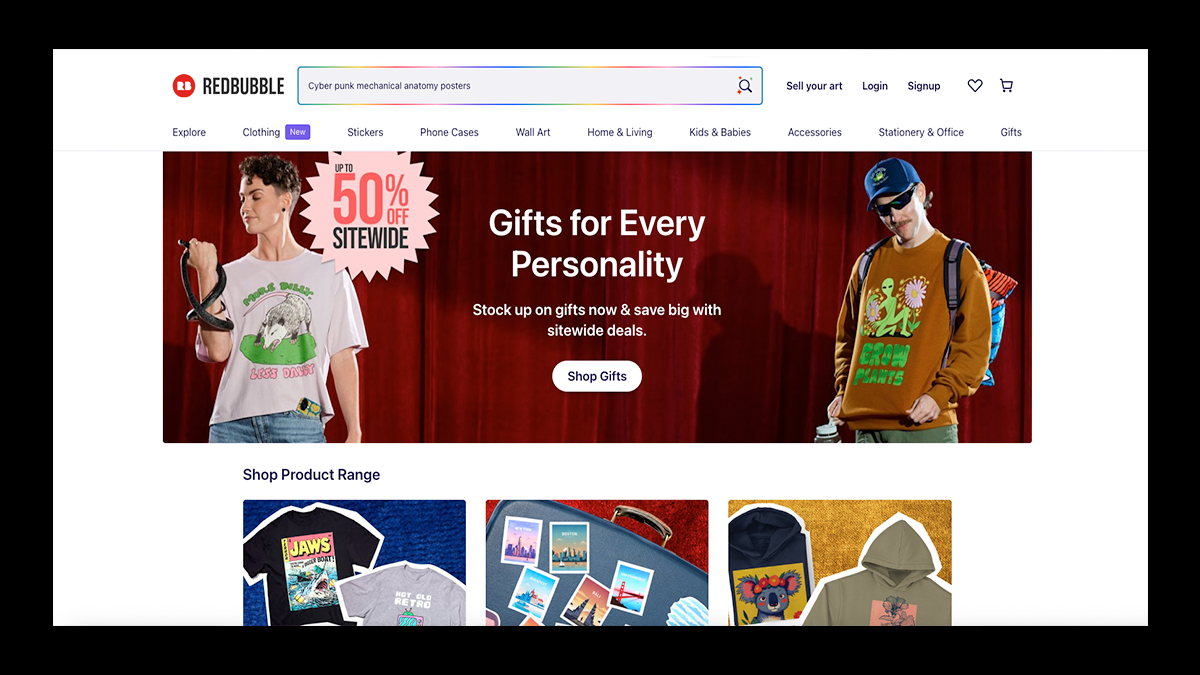
Redbubble gives artists one of the easiest ways to turn creativity into income, offering a massive global marketplace where designs instantly become stickers, apparel, posters, accessories, and home décor—no storefront or fulfillment required.
Every item is printed on demand, which reduces overproduction, and 95% of orders are fulfilled within the same region they're purchased to keep the environmental footprint low.
Redbubble also invests in carbon-offset programs, requires its print partners to follow the FLA Code of Conduct, and upholds strict standards around labor rights, safety, and environmental responsibility.
While creators benefit from built-in traffic and a frictionless selling experience, earnings can be limited due to high platform fees, preset base prices, and competitive search rankings.
Still, for artists and influencers who want instant exposure, hands-off fulfillment, and ethically grounded production, Redbubble remains one of the most accessible POD platforms in the world.
- Free to Use: $0/month — Redbubble takes a 20% platform fee on earnings (with an extra 50% fee on markups over 20%).
✅ Pros:
- Huge built-in audience with strong organic discovery
- Very low effort; upload artwork and start selling
- Large global catalog with niche product categories
- No customer service or fulfillment responsibilities
❌ Cons:
- High platform fees on earnings
- Limited customization or branding
- Search algorithm competition can be fierce
- Smaller product catalog compared to most platforms
Looking for the Best Platform for Your Merch? Choose Fourthwall!
At the end of the day, choosing the right Shirtigo alternative isn’t just about print methods, shipping times, or catalog size—it’s about finding the platform that helps you create merch your fans genuinely connect with.
Whether you want sustainable apparel, a wide range of niche products, hands-off marketplace sales, or rapid fulfillment, each platform on this list serves a different type of creator and fanbase.
But if your goal is to build a merch line that feels personal, premium, and fully aligned with your brand (not just a collection of printed products) Fourthwall is the top choice.
It gives you total creative freedom, a beautifully customizable storefront, powerful design tools, and the ability to sell merch alongside digital content, memberships, and exclusive fan experiences.
So, if you’re ready to turn your ideas into merch your fans can't wait to wear, join Fourthwall and start building your dream store today.
FAQ: Shirtigo Alternatives
What is the best Shirtigo alternative for creators?
There are several excellent Shirtigo alternatives, but the best choice really depends on what kind of merch experience you want to create for your audience.
If you’re looking for the most complete, creator-first platform, with a fully hosted storefront, premium merch tools, digital products, memberships, and custom branding, Fourthwall is the top all-around alternative.
However, platforms like Merchize and Printful shine for massive product catalogs and global fulfillment, while eco-friendly creators may prefer TPOP, Teemill, or Gelato.
Ultimately, each option brings something different to the table, but Fourthwall offers the most balanced, modern toolkit for influencers building a true fan-powered brand.
Which print-on-demand platform has the biggest product catalog?
If you want maximum product variety, Prodigi dominates the industry with a massive catalog of over 500,000 customizable products; from museum-quality fine art prints to apparel, tech accessories, home decor, gifts, and unique specialty items.
Its global network of print partners gives creators access to niche products you won’t find on most POD platforms.
Printify and Merchize also offer extremely large catalogs with competitive product pricing and multiple printing partners for even more customization flexibility.
What POD platform is best for fast shipping?
For U.S.-based creators, CustomCat is one of the fastest options on the market, consistently turning around orders in 1–3 business days, which is ideal for time-sensitive drops or high-volume sellers.
If your audience is global, platforms like Gelato, Prodigi, and Printify use region-based production routing to print orders near the buyer, dramatically improving shipping time while also reducing the environmental footprint.
Which Shirtigo alternative offers the best eco-friendly products?
If sustainability leads your decision, Teemill and TPOP are two of the most eco-focused POD platforms available, offering organic materials, plastic-free packaging, renewable-energy production, and low-impact printing methods.
Meanwhile, platforms such as Gelato, Prodigi, and even Shirtigo support eco-friendly options like sustainably sourced materials, FSC-certified paper goods, and water-based inks for creators who want greener merch without sacrificing quality.
Matt Keyser is a writer at Fourthwall who lives at the intersection of social media and Creator culture. With 4+ years of experience covering industry trends, his work focuses on helping Creators and brands understand how to turn their passion into a thriving business while maintaining a constant pulse on the latest eCommerce and social media trends.


You might also like

8 Best Spreadshirt Alternatives for Print-on-Demand in 2026

7 Best Sellfy Alternatives for Creators and Brands in 2026

27 Best Digital Products to Sell as a Creator
.webp)
Top 8 Wix Alternatives for Creators Building an Online Store in 2026

How to Create and Sell Print on Demand Journals and Notebooks

9 Gumroad Alternatives for Digital Creators in 2026

10 Best Stan Store Alternatives for Creators in 2026

9 Best Patreon Alternatives for Creators in 2026

20 Sustainable Swag Ideas for Events and Giveaways

Keep up with the latest from Fourthwall
New features, product updates, trend breakdowns, and creator stories — straight to your inbox.