
20 Most Popular T-Shirt Colors That Sell Fast in 2026
Shades of Popularity: Stay on Top of Trending Colors for Your T-Shirts and More!


If you're selling merch through eCommerce, choosing the right t-shirt colors is one of your first decisions.
You want colors that actually sell and make your designs look good. With so many color options available, it can be overwhelming to figure out which ones to stock in your store.
That's why we've put together this list of 20 top picks based on what we've seen sell best in print-on-demand.
We've looked at sales data, customer preferences, and design compatibility to identify the colors that consistently perform well. These are the best t-shirt colors that move off the shelves and work as great canvases for a wide range of designs.
What Are Some Popular T-Shirt Colors?
Black, white, gray, navy blue, and red remain the most popular custom t-shirt colors, even as trends and fashionable color palettes continue to evolve. Neutral colors are ideal for t-shirt printing because they allow designs to stand out.
20 Popular T-Shirt Colors to Sell
1. Black
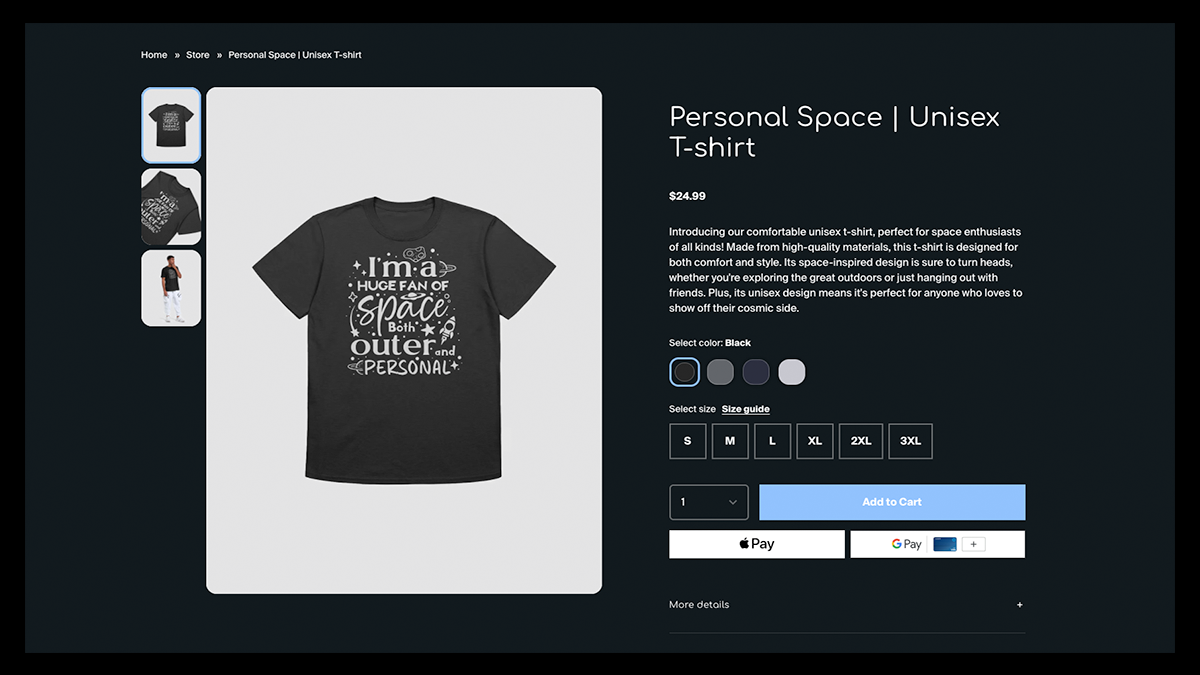
Black is the best-selling t-shirt color for its simplicity and versatility. It’s universally flattering, is appropriate for everyday wear, and offers a slimming effect.
Black color choices range from deep, matte black to jet black with a hint of blue, making them reliable options for any brand or aesthetic.
They pair effortlessly with any other printed color and can be dressed up or down, so don't be surprised to see your black shirt designs paired with all kinds of outfits, from jeans and miniskirts to suit jackets.
2. White
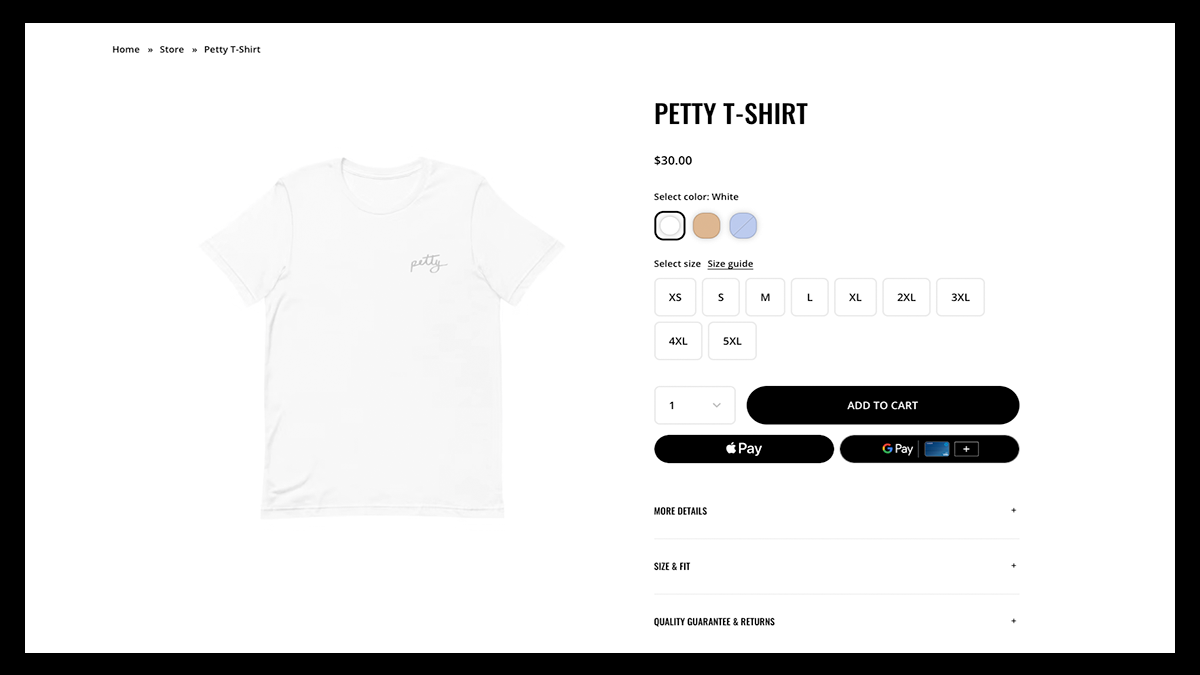
White is a classic t-shirt pick for every basic tee, from the U.S. Navy tees of the early 1900s to actor James Dean's iconic t-shirt look to Gap ads.
Classic white complements any skin tone or style; a white t-shirt is a wardrobe staple that appeals to a wide range of demographics and, of course, serves as the perfect blank canvas for any printed shirt image of any color.
Since there's probably already some version of a white shirt in all of your customers' closets, you really can't go wrong with offering a white tee option for your designs.
3. Charcoal
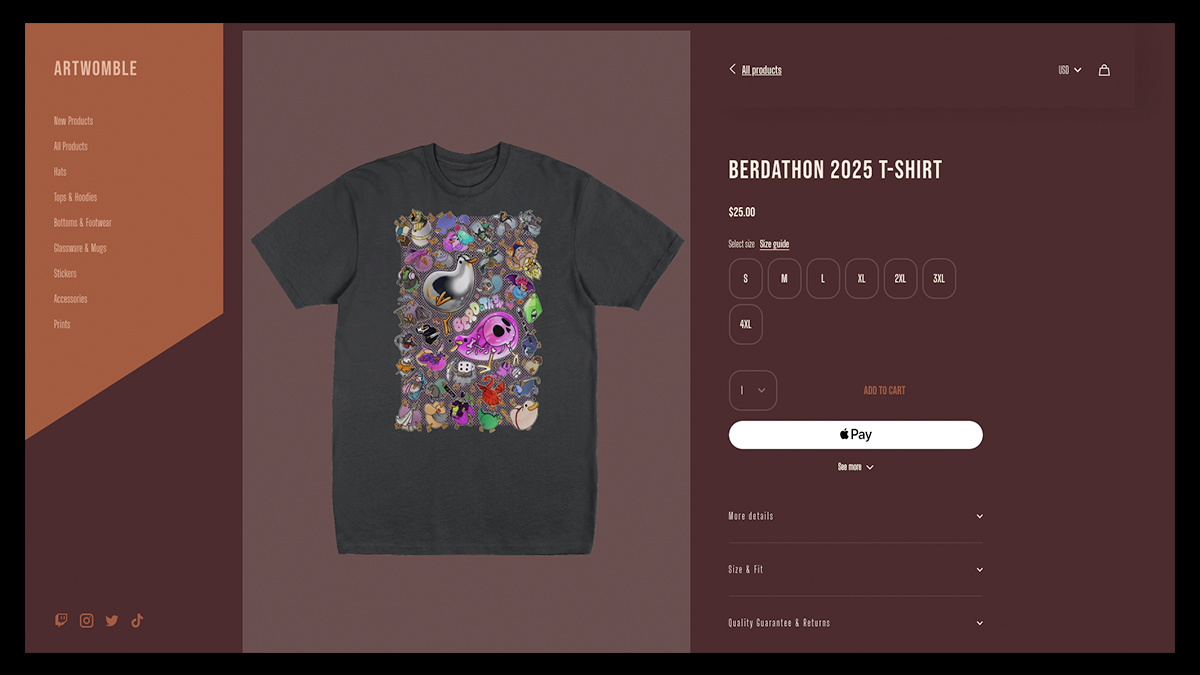
A darker shade of gray, charcoal (sometimes called black heather), is sophisticated and versatile, and functions as a neutral almost as well as black does.
Ranging from light charcoal gray to a very dark burnished tone, charcoal gray offers a modern, edgy, contemporary look to your shirts.
Charcoal grays pair well with other neutrals for a monochromatic look, so you might create your printed designs in white, black, or lighter gray.
Charcoal gray shirts also make a great backdrop for brightly colored designs or photo prints, as the gray balances the brightness nicely.
4. Navy Blue
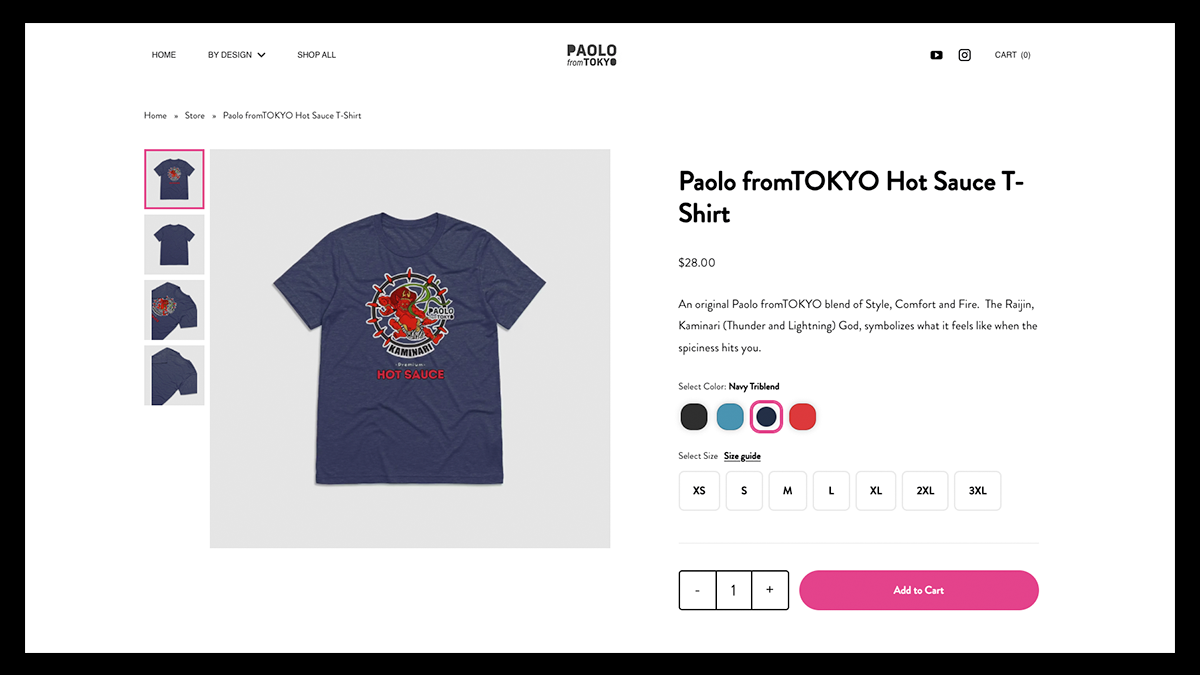
A close cousin to the fashion industry's buzzy Pantone color Baritone Blue is navy blue, a slightly deeper blue with red undertones.
This rich hue can take on several different color personalities, from a brighter, dusky version to a darker, almost black variation.
Navy blue offers versatility and sleek style, especially appealing to professionals, those seeking a polished look, and those looking for an alternative to a black tee, as navy blue often functions as yet another neutral.
White or red designs are strikingly high contrast on a dark navy blue t-shirt; green and aqua designs also work beautifully.
5. Cool Blue
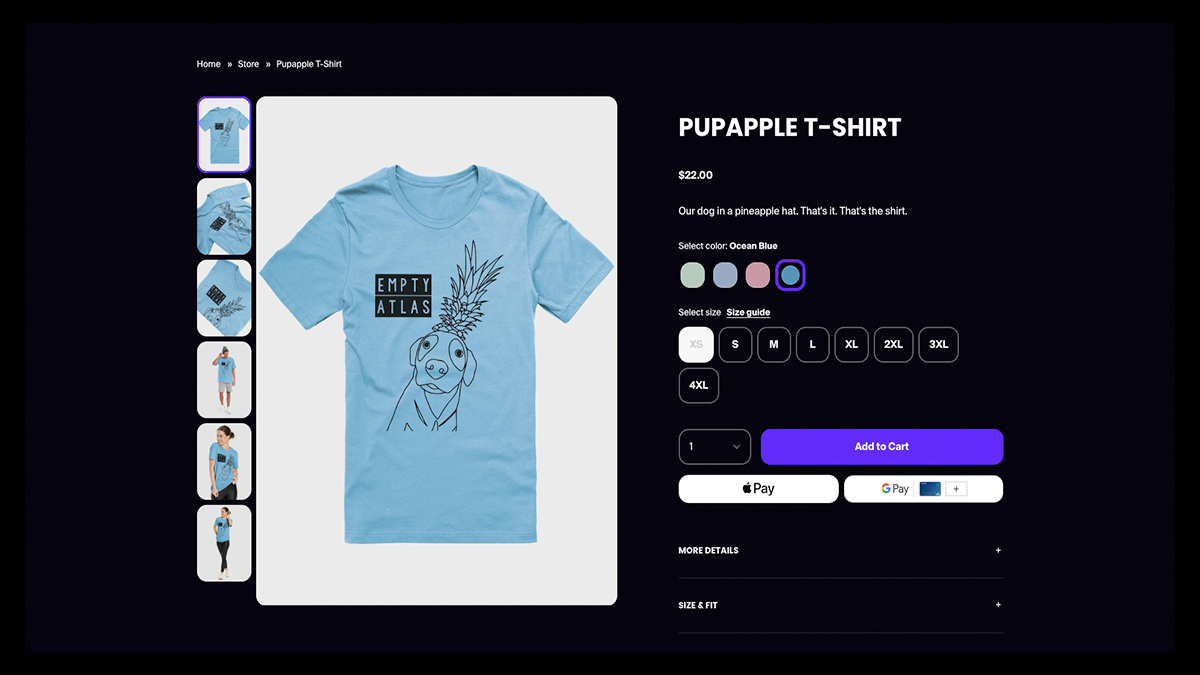
Light, pale blues are most often associated with spring, summer, or resort fashion, but this year, they've emerged as a fresh surprise shade.
This is an icy-cool version of light blue, which looks sleek and in-the-know as a t-shirt backdrop for either black designs, which really stand out, or white designs, which offer an edgy subtlety.
Pale blue is also a perfect background for shirt designs in other shades of blue, so consider rendering your designs in blue monochrome.
6. Red
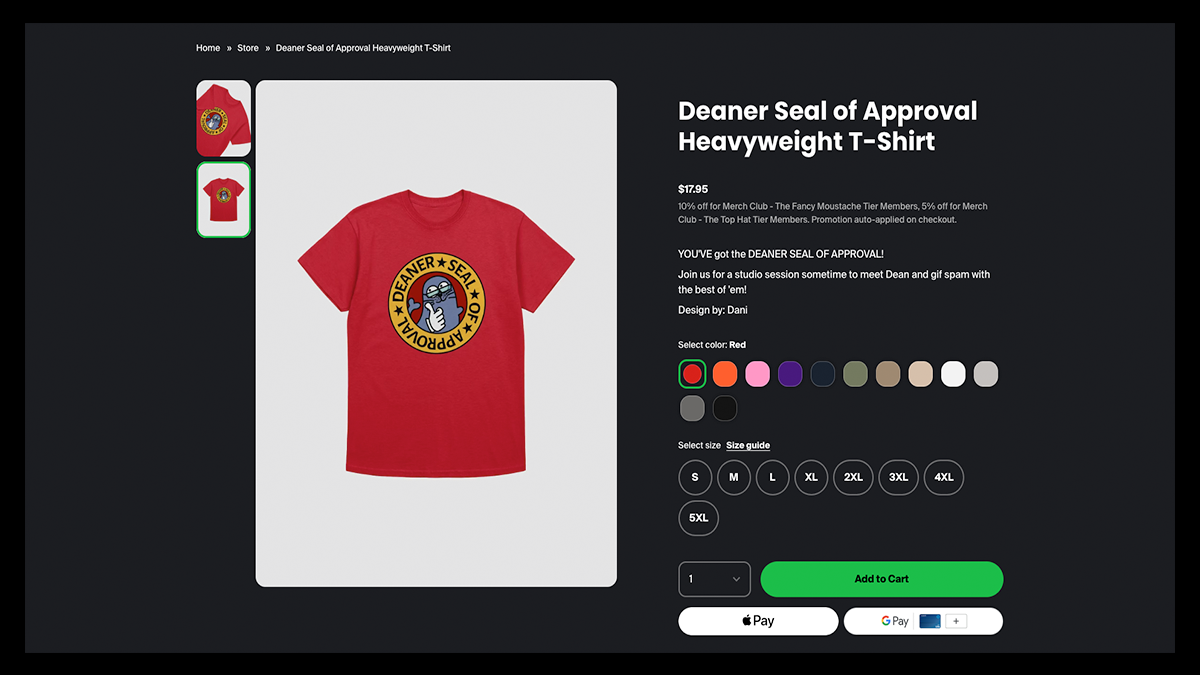
Whether it's Plumager's Volcanic Red or Scarlet Smile, as reported by Pantone, all the reds are very much in this Fall.
Scarlet Smile, like Taylor Swift's signature lipstick, veers right on the edge of dark pink, while Volcanic Red is a daringly saturated, bright version of the color.
Red is excellent for generating energy and excitement and makes a definite fashion statement for your shirts.
Red can be paired with black-and-white printed tee designs for a minimalistic vibe, looks sporty with blue designs, or serves as a bold backdrop for a Pucci-reminiscent print of oranges, yellows, and pinks.
7. Aventurine Green
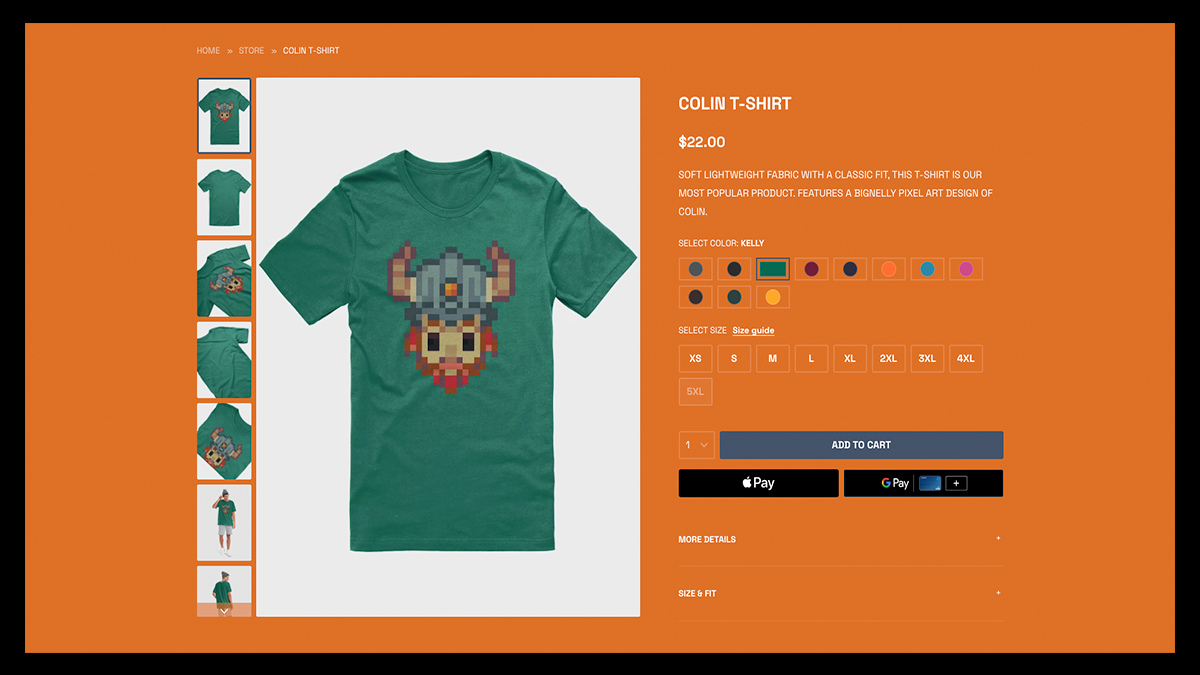
Caught between green and turquoise, Aventurine Green is inspired by the crystal of the same name, which is said to provide confidence and grounding, and in its past color, life was called “Kelly Green.”
Aventurine Green, on its darker side, conjures up evocative images of RPG wizards and queens, while the paler versions evoke outfits suited for urban hiking trails and misty overlooks.
This shade of green is a well-suited shirt canvas for coordinating blue-green patterns or detailed black or white drawings that will stand out nicely against its background.
8. Fern Green
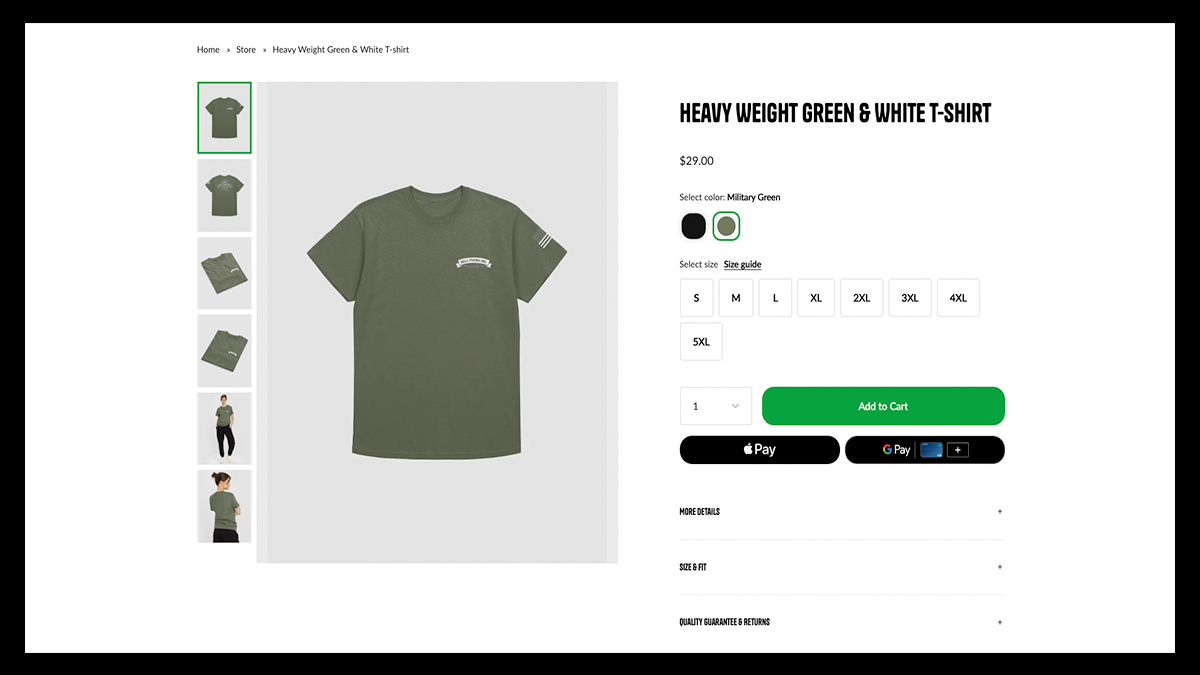
Direct from the natural world, this earthy shade of green offers a sophisticated, chilled-out look and appeals to those who appreciate a casual yet stylish aesthetic.
Fern Green can easily be paired with neutral-color shirt designs like black and white or navy blue for a cohesive look, or printed with dark patterns of oranges and purples for a more striking contrast.
Fern is also an unexpectedly morphing shade of green, and its look adapts easily to whatever you choose to print on it.
9. Yellow
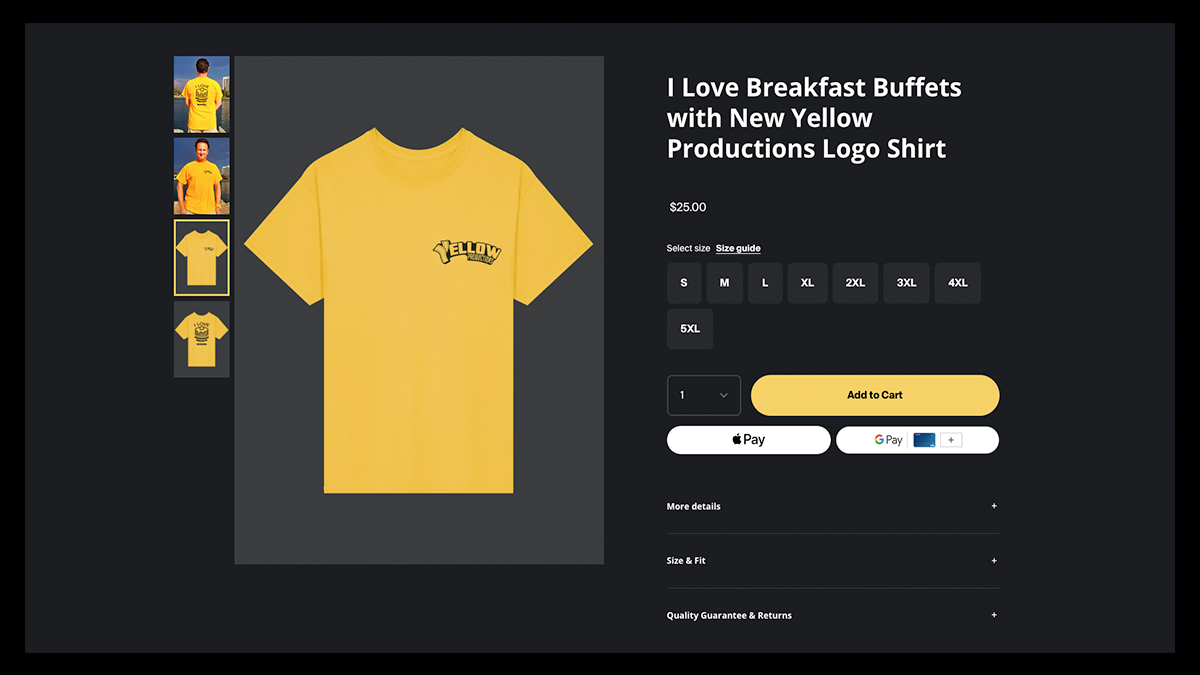
A bright, cheerful color, yellow evokes happiness, optimism, and energy.
Ranging from pale pastel yellow to vibrant lemon yellow, it can lift moods and brighten any outfit.
Yellow isn't for wallflowers, though; it generally appeals to outgoing people who don't mind a little attention.
Pair yellow t-shirts with neutral-colored designs for a balanced look or with complementary colors like purple, green, or jet black for a striking contrast.
10. Orange
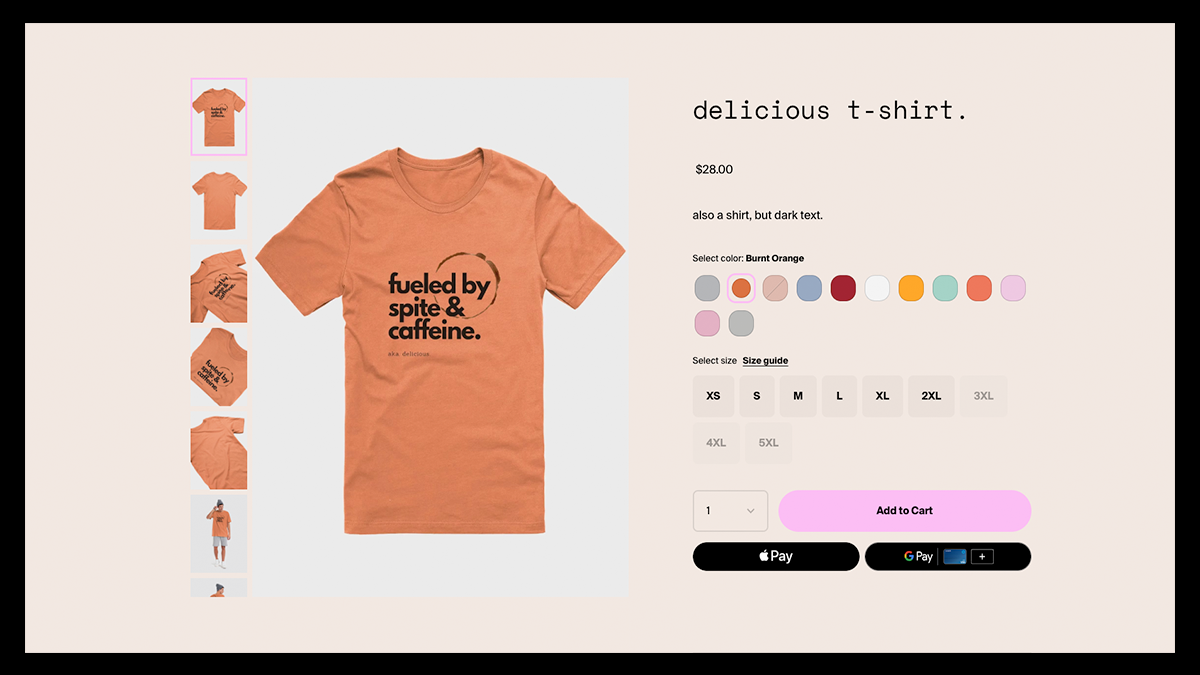
Fireside Neutral hues are what Plumager calls this year's oranges, and there is a range of them.
From classic burnt orange to Pantone’s Tomato Cream to Red Orange (which is...you guessed it, a slightly more red-toned orange).
All of them evoke warmth, confidence, and coziness.
Orange is an excellent choice for t-shirt designs that match its energy, especially designs in neutral colors, browns, or dark greens for that Autumnal contrast—just not black tees unless you're purposefully designing for Halloween.
11. Brown
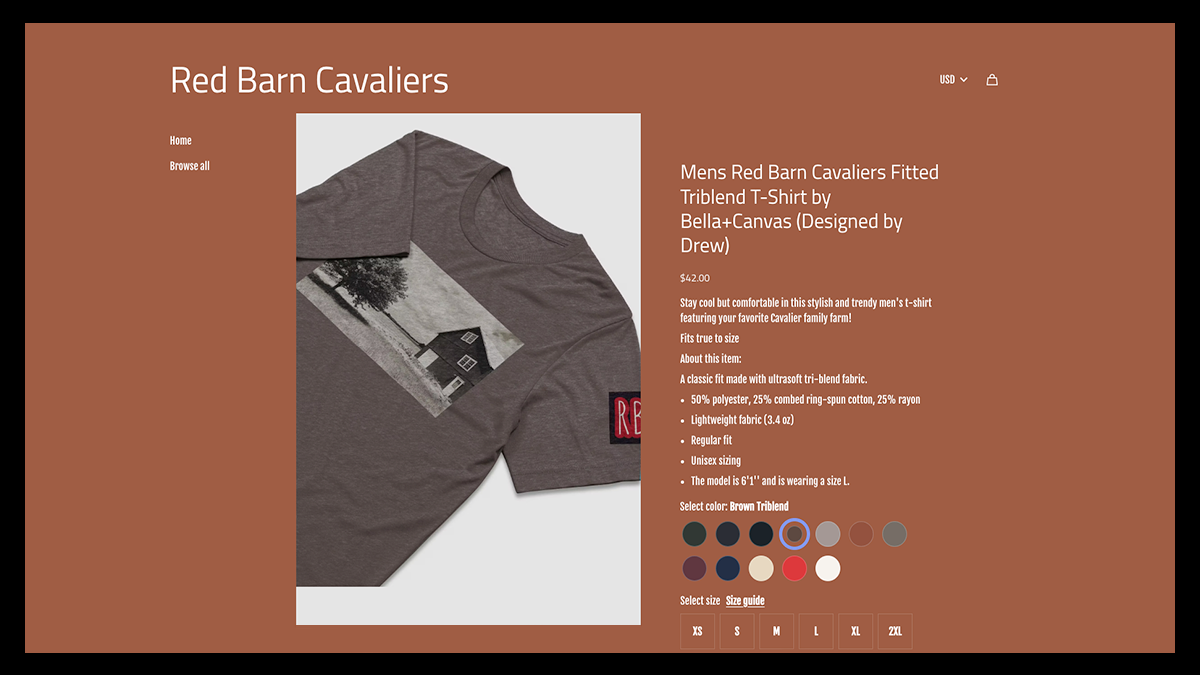
A natural, earthy, and warm color, brown encompasses a wide range of shades from deep chocolate to Raw Umber to this season's Burnished Brown.
Like Fern Green, brown is also something of a chameleon color, as it can be casual or sophisticated, depending on what it's paired with and what kind of design you choose to print on it.
Brown shirts really look striking, and the white-printed designs give them a warm city look.
They also work well with muted pastel designs in multicolored hues for that '70s vibe, or even bright red/orange prints.
12. Khaki
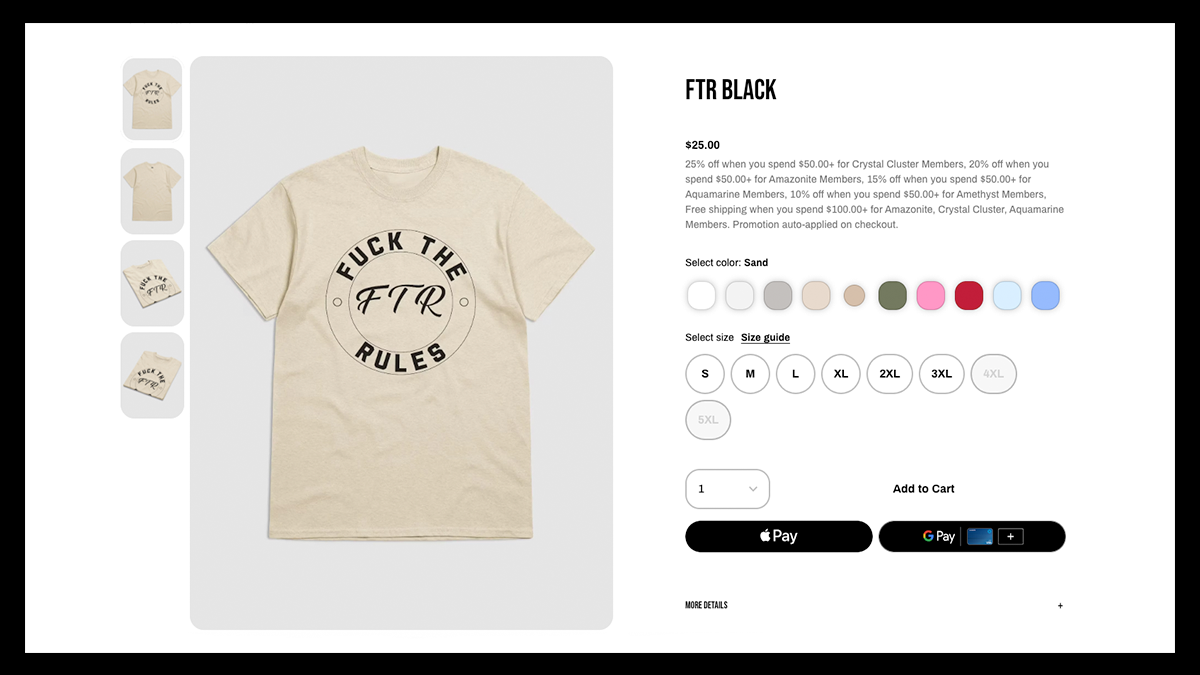
Another word for khaki is "beige," but the latter is a little too boring for this season's lightly green-toned earthy shade.
According to Vogue, toned dressing is set to be a big deal this Fall/Winter, so if you're printing shirts with an eye toward sophistication, khaki might be one of your colors.
Khaki appeals to minimalists, outdoorsy hipsters, and fans of retro utility gear, like pocket jackets and cargo pants.
The color looks especially hip with minimalistic printed tee designs in all white, all black, blue, or our next color, plum.
13. Plum
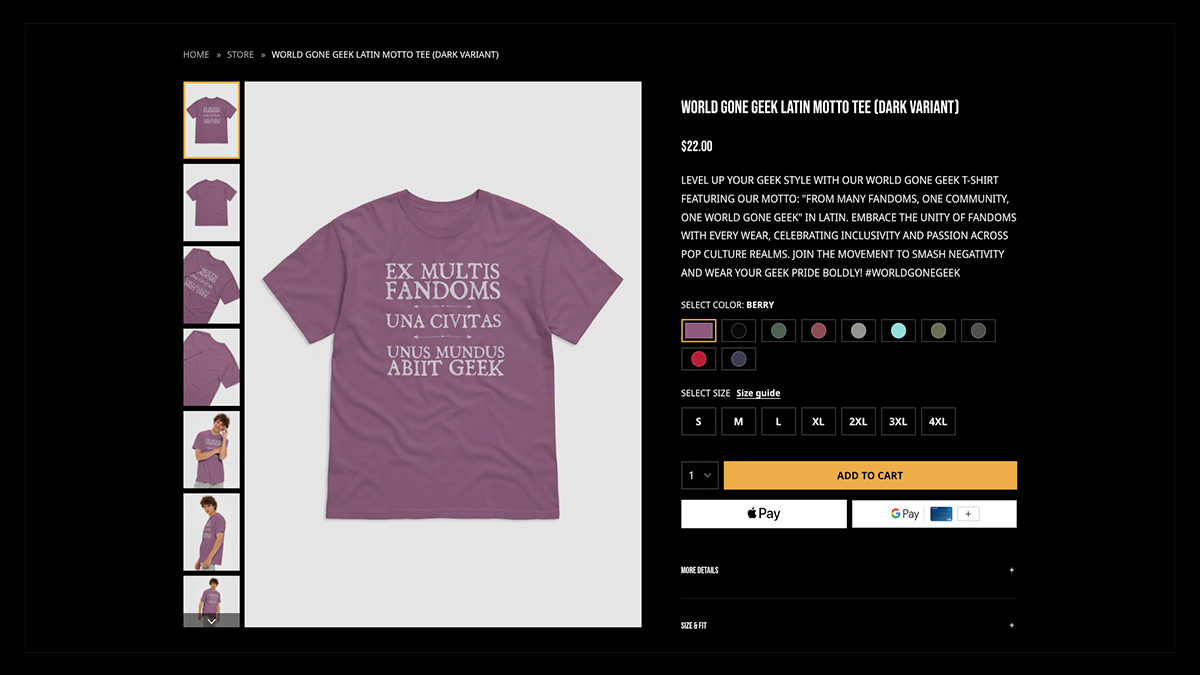
It's in the purple family, but it's not just any purple, and it's several tones away from the purple that Twitch streamers know and love.
Plum, specifically Pantone's Italian Plum, is a mysterious reddish-purple that makes a bold statement, whether light or dark.
It's also a surprisingly versatile color, as it visually adapts to almost any design and color you choose to print on it.
For instance, black and white look sharp, blues are very complementary, and reds create a striking contrast.
14. Lavender
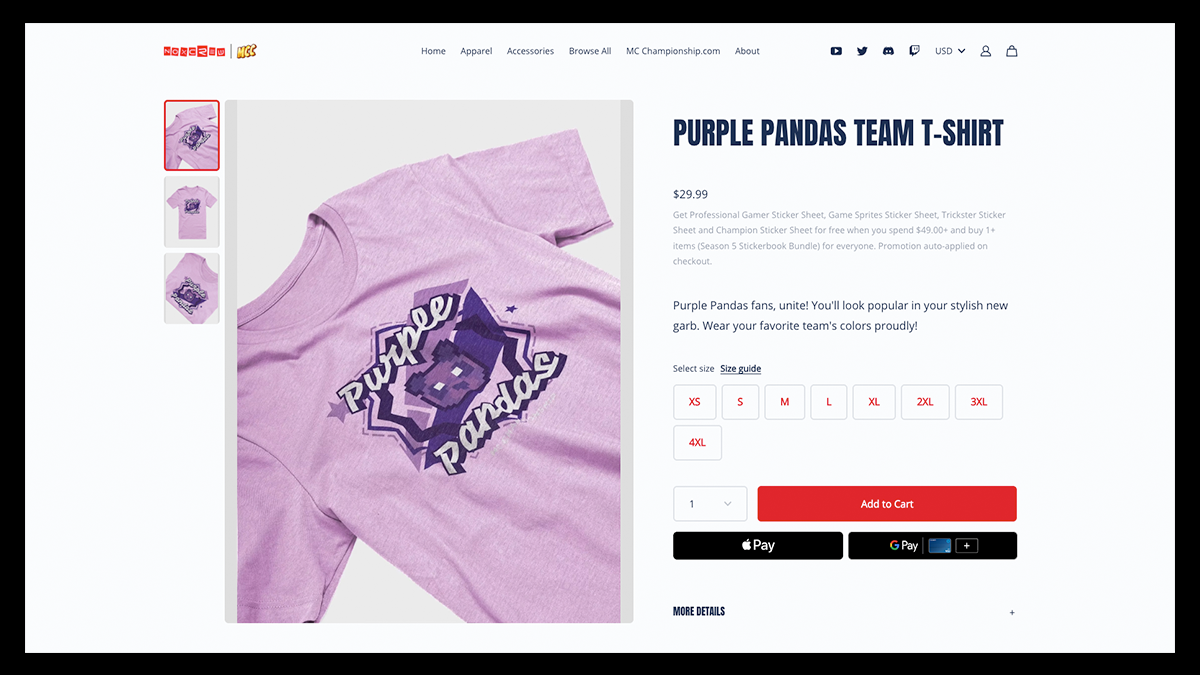
A softer, pastel version of purple, lavender evokes tranquility and serenity and can range from a light lilac to a darker violet or mauve.
Light lavender is more of a calming color with a more feminine aesthetic and works well with pastel shirt designs, white designs, or even brown and white patterns.
Darker lavender shades are a little edgier and look great with contrasting colors like dark pink, navy blue, or gold for a bolder, more playful T-shirt look that offers an unusual color twist.
15. Pink
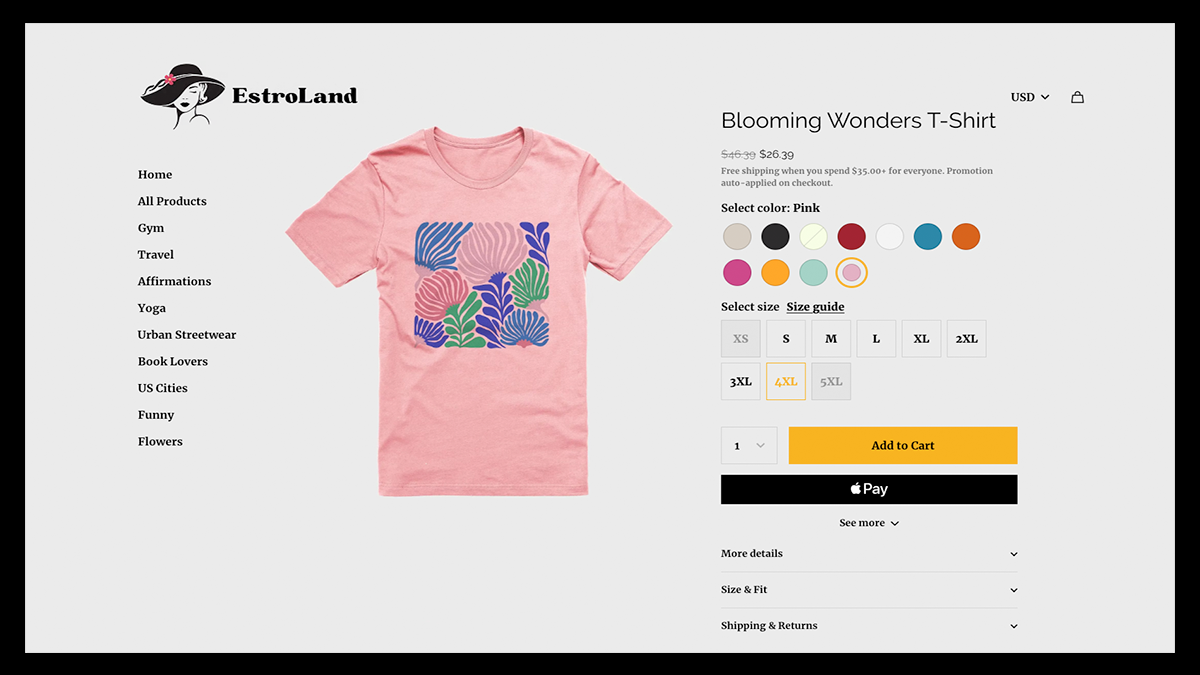
Barbie Pink's popularity is starting to fade and is being replaced by softer, more muted hues of color.
There are still plenty of pink aficionados out there, though, and many shades of pink are available, from light blush tones to carnation to vibrant fuchsia.
Pink is most often associated with femininity and sweetness; doubling up and printing a hot pink design onto a pale pink shirt really shows off that pink power.
So, if you're creating t-shirt designs that lean toward feminine and sweet, pink shirts could work for you.
16. Forest Green
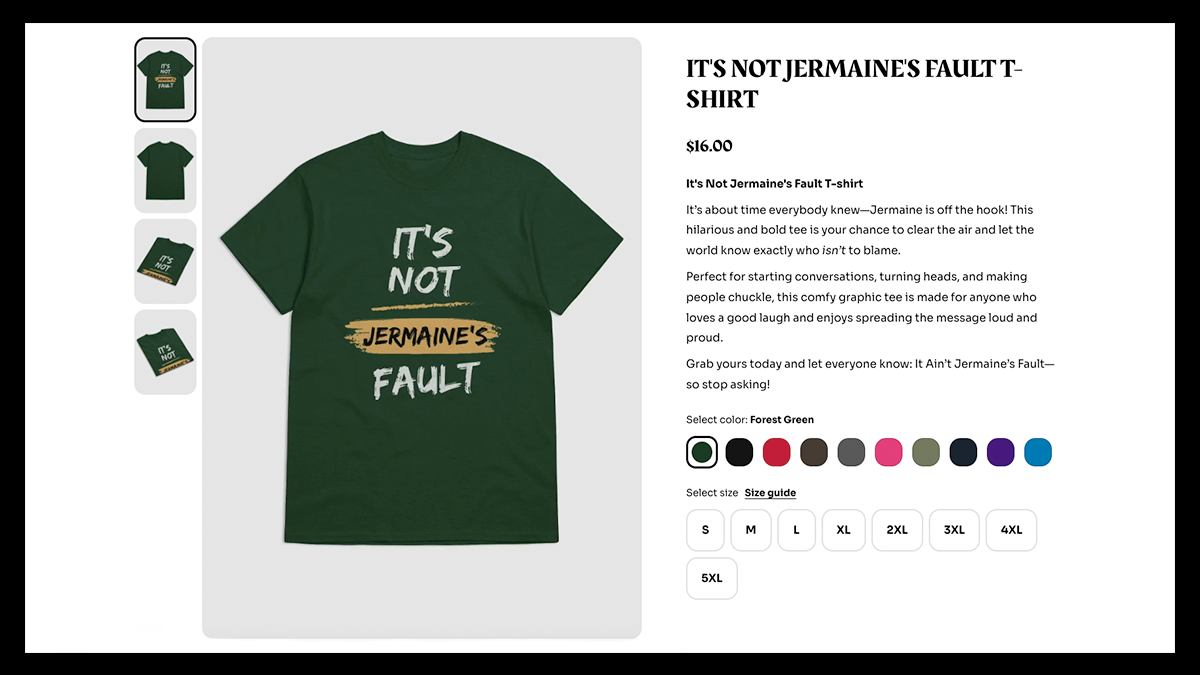
Direct from the natural world, this deep, rich shade of green evokes nature, outdoor adventure, and sustainability. Forest green is darker and more muted than kelly or aventurine green, making it work well as an alternative neutral.
This color is ideal for brands with eco-conscious messaging, outdoor themes, or vintage aesthetics. Forest green pairs beautifully with tan, cream, orange, and white designs, creating striking autumn-inspired combinations.
It's become increasingly popular as earthy tones dominate fashion trends, appealing to customers who want something different from standard neutrals while maintaining versatility in their wardrobe.
17. Royal Blue
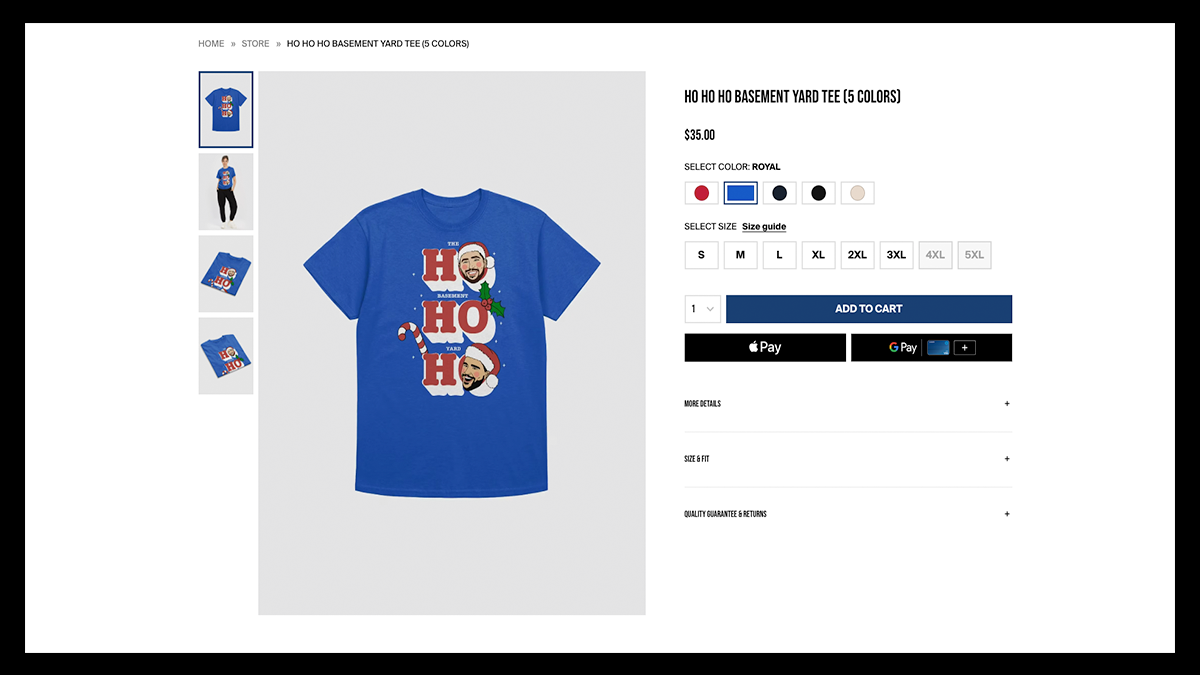
With its rich and intense shade of blue, royal blue is downright captivating. It's a lighter, more vibrant tone than navy blue, offering a bold pop of color while still maintaining versatility.
Royal blue works exceptionally well for sports teams, school spirit wear, and brands that want to make a confident statement. The color commands attention without being as loud as neon shades.
White, yellow, and light-colored designs stand out brilliantly on royal blue, while black creates a sharp, modern contrast. This shade appeals to customers looking for something eye-catching that's still easy to style.
18. Teal
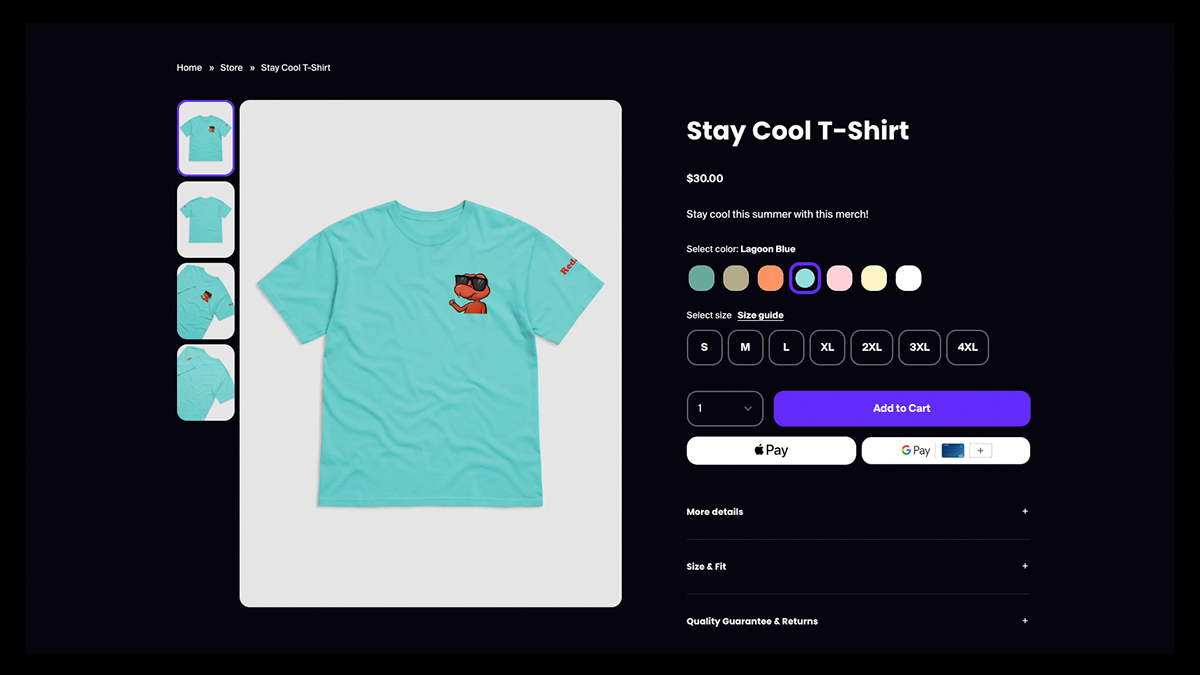
This blue-green hybrid offers visual appeal and versatility that few colors can match. Teal sits perfectly between blue and green, creating a soothing yet distinctive look that works across seasons.
For a softer, more textured option, heathered teal combines the color's natural appeal with a lived-in aesthetic. The heathered finish adds depth and dimension, making it especially popular for casual wear and vintage-inspired designs.
Teal pairs well with coral, cream, navy, and white designs. It's particularly effective for coastal brands, wellness products, or any design that wants to convey calm confidence without resorting to standard neutrals.
19. Olive Green
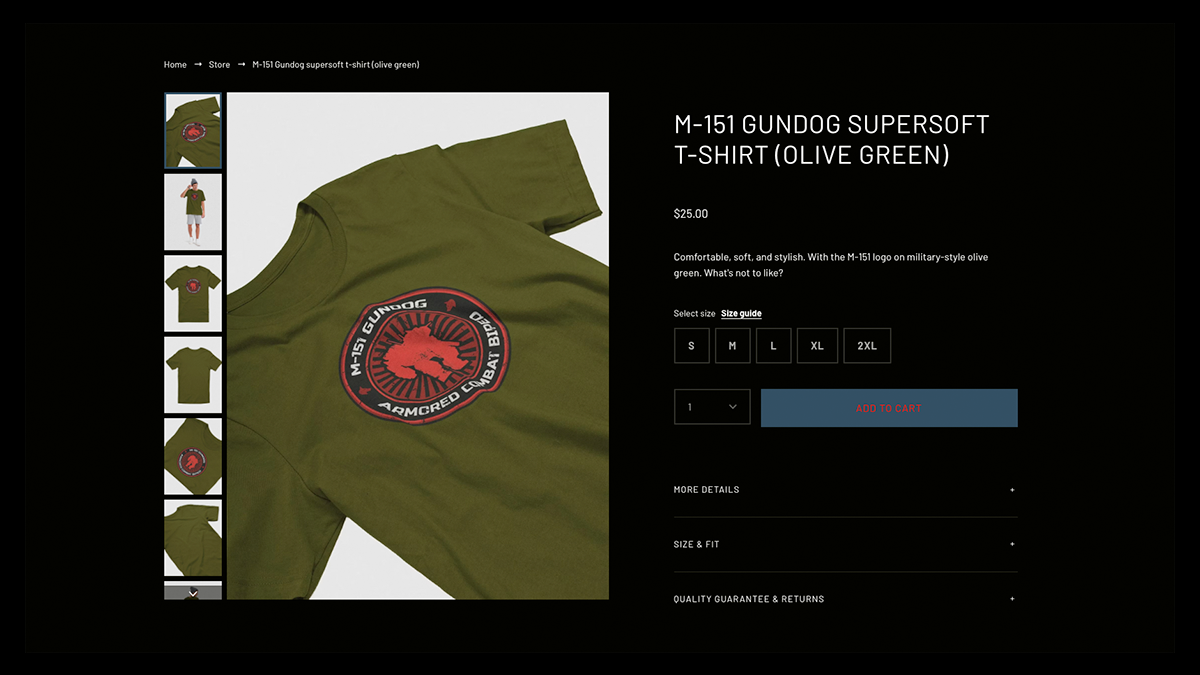
Olive green is an all-time favorite for those who want an earthy, muted tone that feels stylish and timeless. It's a go-to for outdoorsy brands, nature-themed prints, and casual everyday wear.
This versatile shade works equally well for military-inspired designs, minimalist logos, and vintage aesthetics. Olive functions almost like a neutral, pairing seamlessly with warm tones like tan and rust, as well as classic black and white.
The color has staying power in streetwear and casual fashion, appealing to customers who appreciate understated style. It complements both simple and intricate designs, making it a reliable choice for various branding styles.
20. Light Pink
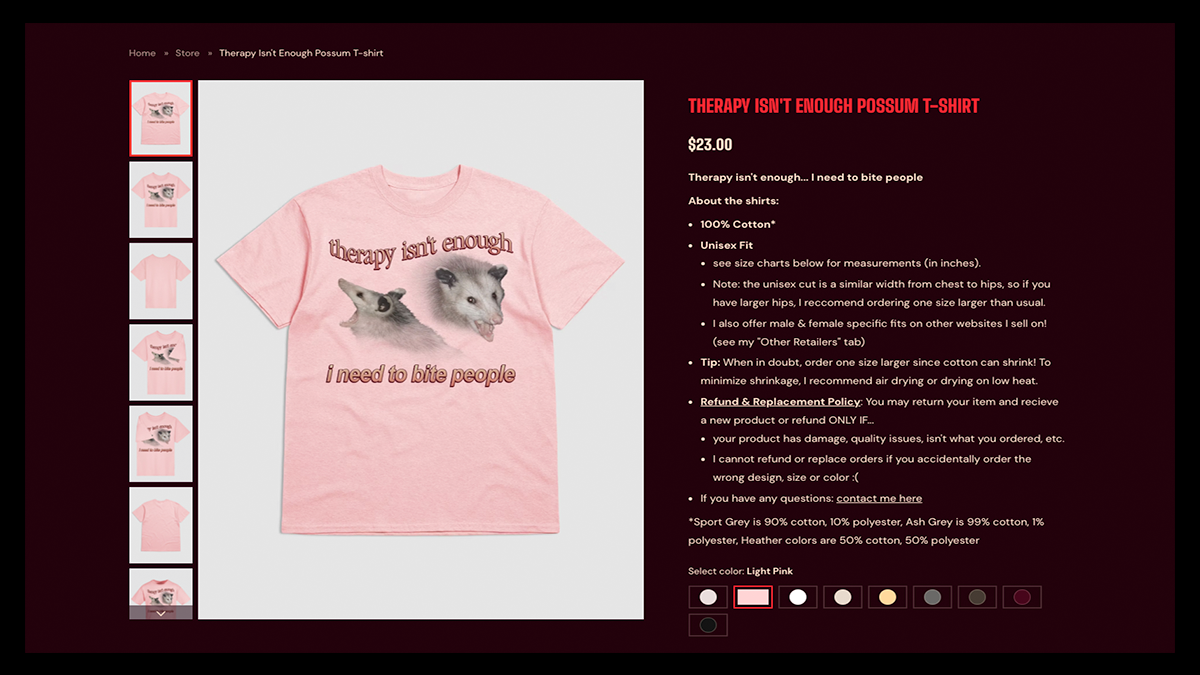
Light pink offers a softer, more approachable alternative to bold hot pink. This gentle shade ranges from blush to pale carnation, offering a subtle pop of color that appeals to a wide audience.
While pink is often associated with femininity, lighter shades have broad appeal and work well for inclusive, modern brands. Light pink pairs beautifully with white, gray, and black designs, as well as other pastels for a cohesive, trendy look.
The color has grown beyond traditional gender associations and is now popular in streetwear, wellness brands, and minimalist designs. It's particularly effective for spring and summer collections but maintains year-round appeal for customers seeking softer color palettes.
What are the least popular t-shirt colors?
Mustard, puce, and avocado green are among the least popular t-shirt colors due to their unfavorable color associations, difficulty pairing with most designs, and tendency to clash with typical wardrobes.
1. Puce
This muted, brownish-red to brownish-purple with a hint of green is often described as "muddy," as if it can't decide exactly which color it wants to be.
It even has an unappealing name to match its strangely bruised look—in French, its name literally means "flea color."
Poor, unfortunate puce is simply dull.
While it might have some very, very niche appeal for vintage fashion collectors (Marie Antoinette is said to have been a fan), puce is generally considered unflattering.
2. Mustard
It's too far from the bright glow of sunflowers on one hand, but too yellow to be an earth tone on the other.
Mustard Yellow is an outdated drudge of a shade that doesn't reflect well on most skin tones and hasn't been in fashion since ‘70s refrigerators, when its other nickname was "Harvest Gold."
Although it lacks the vibrancy of brighter yellows, it can be found on some thrift store pieces if you want that bohemian look.
It's also the name of a popular character in the board game Clue—but that's about it.
3. Avocado Green
Unlike the freshness of an actual avocado, the color avocado green as a fabric is a muted, smudged shade of green that generally appears lifeless and tired.
This color hasn't been seen around much since the shag carpeting of the early '80s.
Avocado green lacks the punch and interest of brighter greens, making it challenging to pair with other colors, so you're probably better off skipping this one, too.
Pop those popular shirt colors into your Fourthwall shop

Now that you've done all of your research into the popular colors, from classic white and black shirts to shades of blue, purple, green, brown, and red, it's time to start selling your shirts on Fourthwall.
Fourthwall can help you capitalize on color trends by letting you set up your own shop with a huge range of popular shirt colors to choose from for your t-shirts, sweatshirts, hoodies, and other custom merchandise.
Fourthwall offers all of these high-quality shirts and many more for you to easily brand and customize with your own designs.
You can even create merch collections on Fourthwall, so you can do special drops of your latest designs to hype up your customers and community. The platform lets you integrate your merch with TikTok Shop, Twitch Gifting, or YouTube Shopping, helping you generate even more revenue.
In addition to merch, Fourthwall lets you offer your fans promo codes and memberships for deals and exclusive content; you can also track your site through your mobile app, and send thank-you videos to your customer for their purchases and support.
So go throw on a fresh t-shirt and launch your Fourthwall site today.
FAQs: T-Shirt Colors
What are the most popular Comfort Colors t-shirt colors?
The most popular Comfort Colors t-shirt colors are black, white, and gray.
Beyond these neutrals, Comfort Colors is known for unique pigment-dyed shades inspired by nature, like seafoam, pepper, and island green.
The brand's garment-dyed process creates deep, saturated colors with a soft, vintage look that fades beautifully over time.
What are the most popular Gildan t-shirt colors?
The most popular Gildan t-shirt colors are black, white, navy blue, and gray. These colors consistently dominate sales across all Gildan styles.
Gildan's athletic apparel focus also includes bold primary colors popular for sports teams and school spirit wear.
What are the best hoodie colors?
Some of the best hoodie colors are black, gray, and navy blue. Black is the top seller, while gray offers a casual aesthetic.
Trending colors include earthy tones like olive green and burgundy, plus pastels like lavender and blush pink for seasonal collections.
What are the best t-shirt and ink color combinations?
The best t-shirt and ink color combinations balance contrast and visual appeal. Black t-shirts with white ink create the highest contrast.
White t-shirts work with virtually any ink color. Navy blue shirts pair well with white or yellow ink. For colored shirts, use complementary combinations like forest green with orange or royal blue with white.
Matt Keyser is a writer at Fourthwall who lives at the intersection of social media and Creator culture. With 4+ years of experience covering industry trends, his work focuses on helping Creators and brands understand how to turn their passion into a thriving business while maintaining a constant pulse on the latest eCommerce and social media trends.


You might also like

9 Best Kajabi Alternatives for Course Creators in 2026

What to Sell Online: How to Find a Product People Want

8 Best Spreadshirt Alternatives for Print-on-Demand in 2026

7 Best Sellfy Alternatives for Creators and Brands in 2026

27 Best Digital Products to Sell as a Creator
.webp)
Top 8 Wix Alternatives for Creators Building an Online Store in 2026

How to Create and Sell Print on Demand Journals and Notebooks

9 Gumroad Alternatives for Digital Creators in 2026

10 Best Stan Store Alternatives for Creators in 2026

Keep up with the latest from Fourthwall
New features, product updates, trend breakdowns, and creator stories — straight to your inbox.