
How to Write an Email Newsletter Your Followers Actually Want to Open
Stop Writing “Updates” and Start Writing Emails That Matter


Your subscribers' inboxes are crowded, noisy, and unforgiving. Every day, dozens of emails compete for attention, and most never get a second glance.
If your newsletter feels like just another update, it disappears. If it feels like something they'd actually miss, it gets opened, read, and remembered.
This article walks you through how to write a newsletter that earns that kind of attention. You'll learn how to hook readers, build trust over time, and guide your audience toward action without sounding salesy or automated.
What is a Newsletter?
An email newsletter is a recurring email sent to a list of subscribers who have chosen to hear from you.
It typically includes a clear subject line, focused content, and a simple CTA that guides readers toward a next step, whether that's clicking a link, replying, or making a purchase.
Unlike social media posts, a newsletter gives you a direct, reliable way to reach your audience in their inbox using a consistent format or template.
When done well, newsletters become a core part of email marketing, helping you build trust, share ideas, and stay connected with subscribers over time.
What Makes a Newsletter "Compelling"
Your newsletter shouldn't rely on gimmicks or clever tricks.
It works best when it aligns with how people actually behave in their inbox, like scanning quickly, making snap decisions, and moving on.
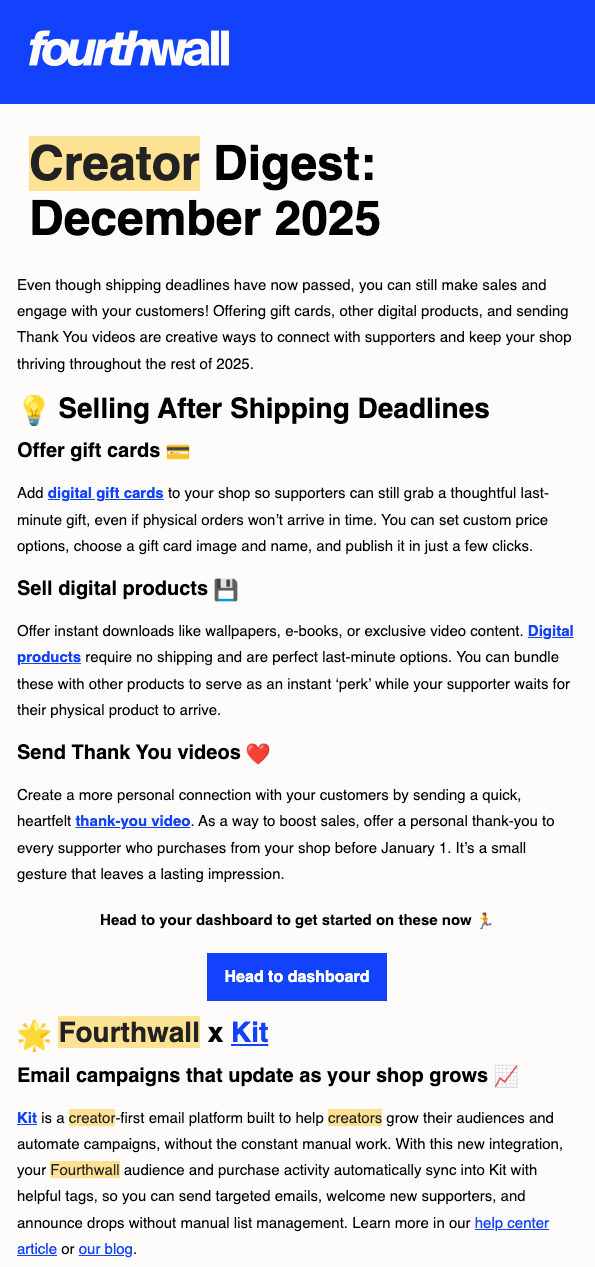
When you consistently nail a few core fundamentals, readers begin to recognize your emails as worth opening before they even read the subject line.
At its best, a newsletter feels focused, easy to read, and clear about what comes next.
- It gets opened: A clear, human subject line paired with supportive preview text gives subscribers a strong reason to choose your email over the many others in their inbox.
- It gets read: Clean formatting, short paragraphs, and a logical flow make your content easy to skim and absorb on any device.
- It gets action: One focused CTA removes guesswork and tells readers exactly what to do next, whether that's clicking, replying, or buying.
When you consistently hit all three, your email newsletter becomes more than just another message.
It turns into a reliable channel for driving traffic, generating sales, and building a direct relationship with your audience that you fully control.
How to Write a Newsletter that Actually Works In 8 Steps
Sending a newsletter shouldn't feel like throwing content to your followers and hoping something sticks.
When an email is clear and written with intention, readers can feel it immediately.
The steps below break newsletter writing into a repeatable process you can rely on.
Use them in order, and you'll move from last-minute scrambling to sending emails that consistently get opened, read, and acted on by your subscribers.
Step 1: Pick the "Job" of this Newsletter (So You Stop Guessing)
Before you write a single sentence, decide what this newsletter is meant to do.
Most email newsletters fail because they try too much at once. When everything is important, nothing is clear to the reader.
Each newsletter should have one primary job. You can rotate these weekly, but every send should focus on just one.
Common newsletter roles that work well for creators and brands:
- Teach: one tip, one framework, or one clear example your audience can use
- Entertain: a short story with a takeaway that feels human and relatable
- Curate: 3–5 useful links with your commentary and context
- Convert: a drop, launch, restock, or limited offer (value comes first)
- Connect: behind-the-scenes content plus a question that invites replies
Once you pick the job, every piece of content in that email should support it. This makes your message clearer and easier for readers to follow.
Step 2: Use a Proven Newsletter Template
A proven newsletter template helps you write faster and makes your emails easier for subscribers to read.
When your format stays consistent, readers know what to expect when your email lands in their inbox, which builds trust over time.
This five-part structure works across nearly every email newsletter and is simple to reuse.
1️⃣ Subject Line: Earn The Open
Your subject line is the headline of your email newsletter and the biggest factor in whether readers open it or ignore it.
Strong subject lines are clear, specific, and human, not vague or generic.
Skip labels like "Weekly Newsletter" and focus on questions, benefits, short stories, or plain clarity that stands out in crowded inboxes.
2️⃣ Preview Text: Your Quiet Open-rate Booster
Preview text supports your subject line by adding clarity, teasing what's inside, or signaling urgency.
Because many newsletters ignore it, intentional preview text gives you an edge before the email is even opened.
Never leave it as a default like "View in browser"; that space should help earn the click.
3️⃣ Body Content: Keep Readers Reading
Once your email is open, your content needs to move quickly and stay focused.
Start with a short personal opener, deliver the main value that aligns with the newsletter's goal, then smoothly lead into the next step.
Length matters less than clarity, so write what's needed and trim anything that slows the reader down.
4️⃣ One Clear CTA: Tell Readers What To Do Next
Every email newsletter should point to one primary action.
A strong CTA is specific and easy to understand, removing any guesswork about what readers should do next.
If your email includes multiple links, make the main CTA visually obvious so it doesn't compete for attention.
5️⃣ Signature: Make It Human, Not Corporate
Your sign-off reinforces your voice and relationship with subscribers.
Keep it simple or use a consistent phrase readers recognize, and avoid stuffing it with too many links.
If you want replies, end with a clear, friendly prompt that invites conversation.
Step 3: Build a "Hook Stack" That Keeps People Opening
If your newsletter is just updates or news, it's easy to skip. If it follows a repeatable hook, it becomes something readers expect and look forward to.
A hook stack is a simple pattern you use again and again.
Popular hook stacks that work well:
- Story → lesson → action: a moment, what you learned, then a CTA
- Problem → fix → example: name the struggle, give the solution, show it in practice
- Behind-the-scenes → reveal → invite: what you're building, a sneak peek, then engagement
- Drop logic: what's new, why it matters, what to do now
These hook stacks give your newsletter a familiar rhythm, which makes it easier for readers to engage without having to "figure out" your email each time.
Over time, this consistency turns your newsletter from something they occasionally open into something they actively look forward to seeing in their inbox.
Step 4: Make it Personal, Even with a Large Email List
The most effective newsletters read like a note written to one person, not a broadcast sent to thousands.
Each reader opens your email independently, so your tone and language should feel direct, human, and conversational.
You can personalize without complex tools by using "you" language, asking simple, reply-worthy questions, and gradually segmenting your email list based on behavior, such as purchases or clicks.
Even small signals of personalization help readers feel seen, which increases trust, engagement, and long-term loyalty.
Step 5: Balance Value and Promotion So You Don't Burn Trust
Think of trust like a bank account. Value-driven newsletters make deposits. Sales-focused emails make withdrawals.
If every email is promotional, readers will tune out or unsubscribe. If you never promote, you're leaving revenue and momentum on the table.
A practical guideline:
- Newer lists: about 80% value, 20% promotion
- Launch periods: more promotion is fine, followed by a reset to value
A simple rule that helps: even promotional emails should include one useful tip, insight, or story. It keeps the relationship intact.
Step 6: Write for Skimmers, Not Perfect Readers
Most readers will skim your email newsletter instead of reading it word for word, especially when they're checking their inbox on a phone.
Your goal is to make the main points obvious at a glance by using short paragraphs, clear headers, and simple lists.
Break ideas into small sections, highlight only what truly matters, and leave plenty of white space so the email feels easy to digest.
When your content is scannable, readers absorb more and are more likely to keep reading.
Step 7: Use Content Buckets to Avoid Bank-page Panic
Staring at a blank draft and wondering what to send is one of the biggest reasons newsletters stall out.
Content buckets fix that by giving you a short list of themes to rotate through, so you always know the topic before you start writing.
- A simple, creator-friendly setup might include:
- Education (tips or how-tos)
- Behind-the-scenes updates
- Community spotlights
- Product announcements
- Lighter "fun" content
Once your buckets are defined, you can map them to a predictable weekly cadence: teach one week, share progress the next, and promote a drop when it makes sense.
This approach removes guesswork, keeps your content balanced, and makes your newsletter easier to sustain in the long term.
Step 8: Review, Refine, and Commit to Consistency
Before you hit send, take a few minutes to review your newsletter from the reader's point of view.
Check that your subject line matches the content, that your main idea is clear, that your CTA is obvious, and that nothing feels rushed or confusing.
Small refinements like tightening sentences or removing extra links can make a big difference in how your email performs.
Then commit to a realistic sending cadence and stick to it, because consistency is what turns a good newsletter into one subscribers recognize, trust, and keep opening over time.
SEO Tips to Help Improve Your Newsletter's Engagement
Believe it or not, SEO isn't just for blog posts.
Many of the same principles can help your newsletter and email newsletter perform better by making your content clearer, more relevant, and easier for subscribers to engage with.
The goal isn't to game algorithms, but to write emails that match what your audience is already looking for and cares about.
Here are practical SEO-style tips that translate directly into higher newsletter engagement:
- Treat your subject line like a headline: Use clear, specific language focused on one main topic, so subscribers instantly understand the value before they open the email.
- Focus each newsletter on one keyword-level idea: Sticking to a single topic per send makes your content easier to scan, remember, and act on.
- Use simple, skimmable sentences: Shorter sentences and cleaner text improve readability, keeping newsletter subscribers engaged longer.
- Repeat important terms naturally: If your email is about a product, tip, or theme, reference it consistently throughout the content so the message feels focused, not scattered.
- Match your CTA to search intent: A strong CTA works best when it aligns with what readers already want, such as "subscribe," "learn more," or "get the template."
These small SEO-informed adjustments help your emails feel more relevant, which leads to better opens, fewer unsubscribes, and stronger results from your email marketing overall.
Ready to Turn Your Newsletter Into a Growth Engine? Join Fourthwall.
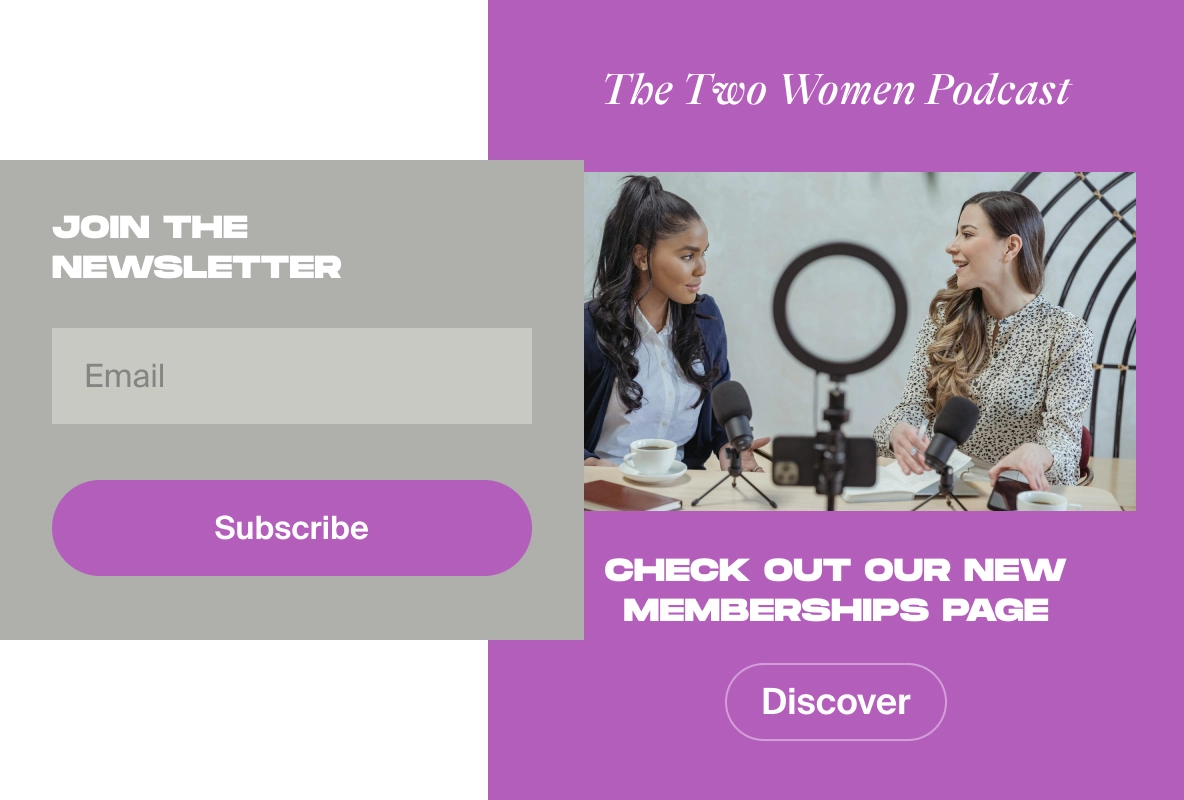
If you're serious about building a newsletter that drives real engagement and repeat sales, Fourthwall gives you everything you need in one place.
Your shop becomes the destination, and your email newsletter becomes the relationship that keeps subscribers coming back between drops, launches, and updates.
Best of all, Fourthwall connects seamlessly with the email marketing tools creators already love, so you can grow without juggling five different platforms.
With Fourthwall's email marketing integrations, you can choose the tool that fits your workflow and level up over time:
- Kit: Automatically sync subscribers, buyers, and members with tags, purchase data, and memberships, making it easy to send targeted campaigns and automated flows without manual work.
- Klaviyo: Run powerful promotional campaigns, cart abandonment emails, and post-purchase follow-ups using real customer behavior from your Fourthwall store.
- Mailchimp: Sync newsletter subscribers, customers, and orders, so you can send polished email newsletters, track performance, and automate welcome or follow-up emails.
- beehiiv: Connects your shop directly to your newsletter, automatically adding subscribers and helping you send updates, re-engagement emails, and long-form content with ease.
You don't need to use everything at once. Start with one newsletter template, set up a welcome email, and send on a consistent schedule.
As your audience grows, you can layer in segmentation, automation, and smarter campaigns, all powered by data flowing directly from your Fourthwall shop.
FAQ: How to Write a Newsletter
What is a newsletter?
A newsletter is a recurring email sent to a list of subscribers who choose to hear from you. An email newsletter typically includes a subject line, focused content, and a clear next step, helping you stay connected with your audience through their inbox.
How do I write a newsletter people actually want to read?
To write a newsletter people enjoy, focus on one clear topic, keep the text easy to scan, and make the value obvious from the subject line onward. When your content feels intentional and relevant, subscribers are more likely to open, read, and engage with every send.
What should I include in an email newsletter?
A strong email newsletter usually includes a clear subject line, a short opening, valuable content, and one clear call to action. Using a consistent template helps readers know what to expect and makes your emails easier to write and send regularly.
How often should I send a newsletter?
The best cadence depends on what you can realistically maintain and what your audience expects. Many creators send a weekly or biweekly newsletter, but consistency matters more than frequency for keeping subscribers engaged.
What makes a good newsletter subject line?
A good subject line is specific, human, and focused on one idea. It should clearly signal what the email is about so subscribers can quickly decide whether to open it or skip it in their inbox.
How long should a newsletter be?
There's no perfect length for a newsletter, but clarity matters more than word count. Some email newsletters work best with a few short paragraphs, while others can be longer as long as the text is easy to skim and stays on topic.
Matt Keyser is a writer at Fourthwall who lives at the intersection of social media and Creator culture. With 4+ years of experience covering industry trends, his work focuses on helping Creators and brands understand how to turn their passion into a thriving business while maintaining a constant pulse on the latest eCommerce and social media trends.


You might also like
.webp)
How to Validate a Digital Product Idea Before You Create It

How Much Does TikTok Pay in 2026? A Detailed Breakdown

How to Make Money as a Content Creator the Smart Way

25 Best Ways to Make Money With Your Phone for Beginners

How Many Views Is Viral in 2026? Benchmarks by Platform

15 Best Ways to Make Money as a College Student

10 TikTok Live Ideas to Engage Your Audience in 2026

How to Grow Social Media Followers: 8 Proven Methods for Creators

How to Start a Swimwear Line in 2026: A Step-by-Step Guide

Keep up with the latest from Fourthwall
New features, product updates, trend breakdowns, and creator stories — straight to your inbox.