
8 Best Shopline Alternatives for eCommerce in 2026


If you're looking to start an online business, you'll quickly realize that finding the right eCommerce platform can be a very overwhelming process. Especially when you’re trying to find one that actually fits your business goals.
With so many tools promising to help you build an online store, choosing the right platform can make a major difference in how easily you launch, manage, and grow your brand.
Shopline has quickly become a popular option thanks to its all-in-one approach to website building, payments, marketing tools, and global selling features.
In this article, we’ll take a closer look at what Shopline offers and break down some alternatives that provide similar tools for starting and scaling an eCommerce store.
By the end, you’ll have a clearer idea of which platform might be the best fit for your business.
What Makes Shopline Stand Out?
In a sea of eCommerce platforms competing for your attention, Shopline has found its place by creating a unified commerce platform that lets businesses sell across multiple channels as they grow.
The company launched in 2013 and has steadily expanded into a global SaaS platform now used by more than 600,000 merchants.
Shopline’s mission is simple. It gives businesses a single dashboard to run the core parts of their online store and keep an eye on how everything is performing.
It also does an impressive job of bringing several important tools together in one platform.

Store owners can build their website, manage payments, track inventory, run marketing campaigns, and stay connected with customers without constantly switching between different services.
If you’ve ever tried running an online store with five or six different apps open at once, you know how quickly that can get messy.
Below are several features that help Shopline stand out from other eCommerce platforms on the market.
Unified Omnichannel Commerce

Shopline makes it easy to sell your products in more than one place at the same time.
Businesses can run their own online store, sell in physical retail locations, and connect their products to social platforms like Facebook and Instagram from a single dashboard.
When something sells, the platform automatically updates inventory and order data across every channel. This helps merchants keep everything organized while providing consistency to customers wherever they buy.
Built-In Social Commerce Tools

Social media has become one of the biggest drivers of online sales, and Shopline makes it easier for merchants to sell where their audience already spends time.
The platform connects directly with apps like Instagram, WhatsApp, Facebook Messenger, and Telegram, so businesses can manage conversations and product inquiries in one place.
Merchants can even send product links, answer customer questions, and guide shoppers to checkout directly within the chat.
Not to mention, it supports livestream selling, which allows brands to showcase their products live and lets viewers purchase them during the broadcast.
Advanced Marketing Automation
Marketing your online store can quickly turn into a full-time job, which is why Shopline includes built-in tools designed to automate much of the work.
One of its key tools, SmartPush, helps merchants run automated marketing campaigns through email, SMS, and on-site pop-ups that trigger based on customer activity.
For large-scale businesses, Shopline allows you to segment customers based on shopping behaviors, such as purchase history, browsing activity, or how often someone returns to the store.
This makes it easier to send personalized promotions to the right audience instead of blasting the same message to everyone.
Loyalty and Membership Programs

Shopline allows businesses to create loyalty programs that reward customers for engaging with their brand.
Merchants can offer reward points for purchases, referrals, or account sign-ups, which customers can later redeem for discounts or special offers.
Businesses can also set up membership tiers that unlock perks such as exclusive pricing, early access to product drops, and members-only promotions.
These kinds of programs encourage shoppers to keep coming back while helping brands build stronger, long-term relationships with their customers.
Subscription Commerce Features
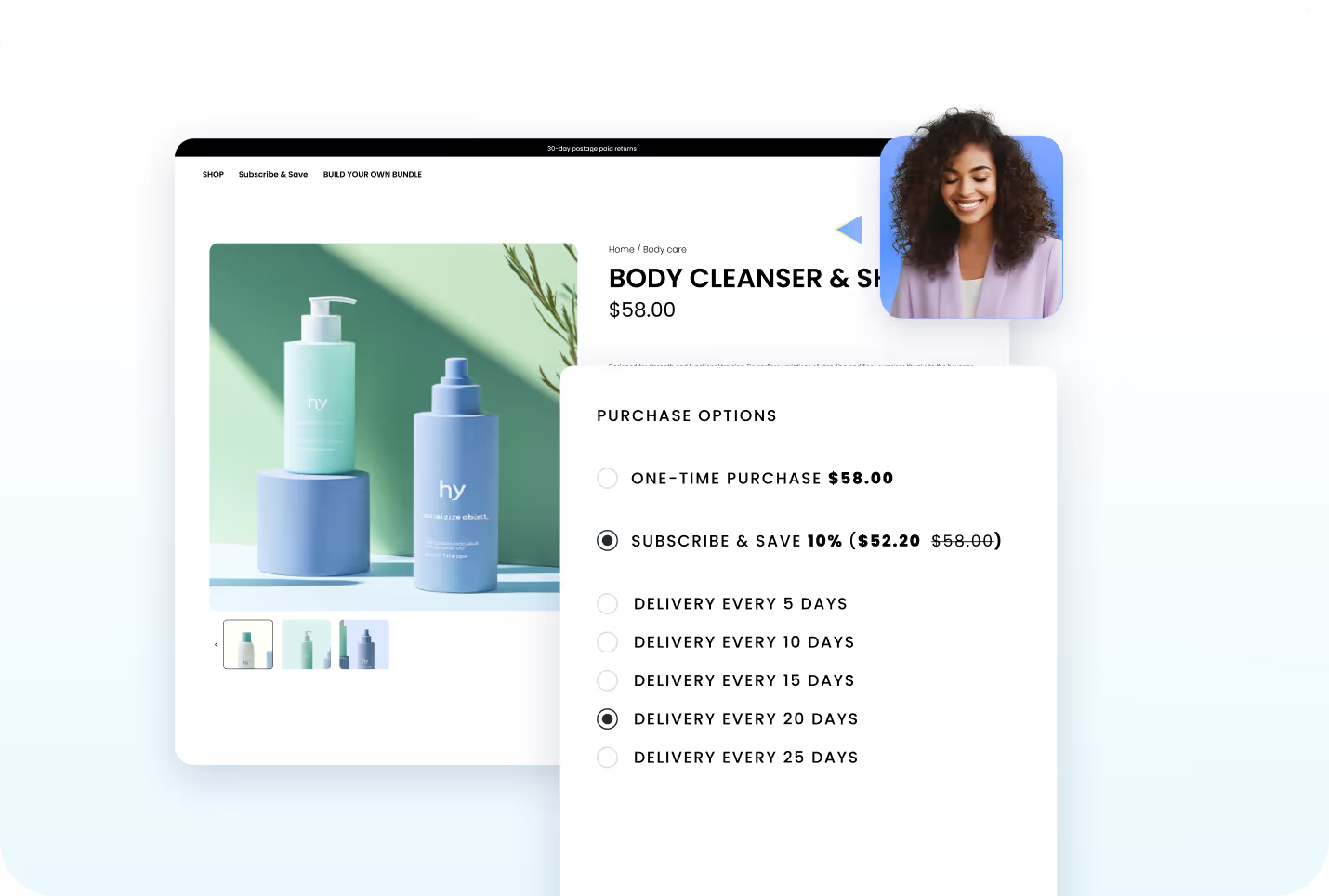
Subscription selling has become a popular way for brands to generate recurring revenue, and Shopline makes it easier for businesses to launch and manage such programs.
For merchants, you can offer “subscribe and save” options that let customers receive products on a regular schedule, often at a discounted price, encouraging long-term purchasing.
Businesses can also create flexible billing cycles by bundling multiple products into subscription packages and automating repeat orders, so customers never have to reorder their favorite items manually.
To keep things convenient, customers can manage their subscriptions through a self-service dashboard where they can pause deliveries, change shipping schedules, swap products, or update their orders whenever they need to.
Real-Time Inventory and Multi-Location Management

Managing inventory becomes much easier when everything is connected in one place.
With Shopline, businesses can track their product stock across multiple warehouses, retail stores, and online sales channels through a centralized dashboard.
Inventory levels also update automatically whenever a sale is made, helping merchants keep accurate stock counts and avoid overselling products.
And with features like low-stock alerts, forecasting tools, and the ability to transfer inventory between locations, your business can stay organized while keeping popular products available to customers.
Integrated Payment and Checkout Experience
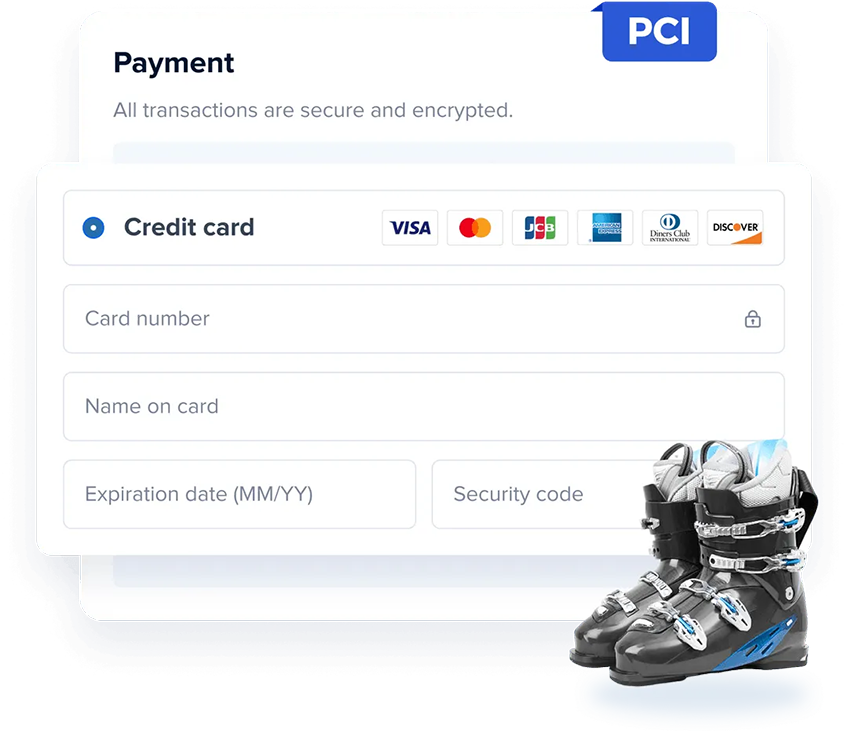
Shopline supports a wide range of payment options, including credit cards, Apple Pay, Google Pay, buy-now-pay-later services, and digital wallets, giving shoppers more flexibility when paying.
Its checkout system is also designed to work seamlessly on mobile devices, allowing customers to save their payment and shipping details for faster future purchases.
With secure, PCI-DSS-compliant payment processing and a streamlined checkout flow, businesses can reduce friction in the buying process and improve overall conversion rates.
Built-In Shipping and Fulfillment Tools

Handling shipping and order fulfillment can quickly become complicated as a business grows, which is why Shopline includes tools that simplify the entire process.
Merchants can generate shipping labels, track deliveries, and manage returns directly from their store dashboard without relying on separate logistics software.
Shopline’s system can also automate parts of the fulfillment workflow, such as updating order statuses and sending tracking notifications to customers.
In some cases, businesses may also gain access to discounted shipping rates through carrier partnerships, helping reduce shipping costs while improving delivery efficiency.
Powerful Analytics and Business Insights
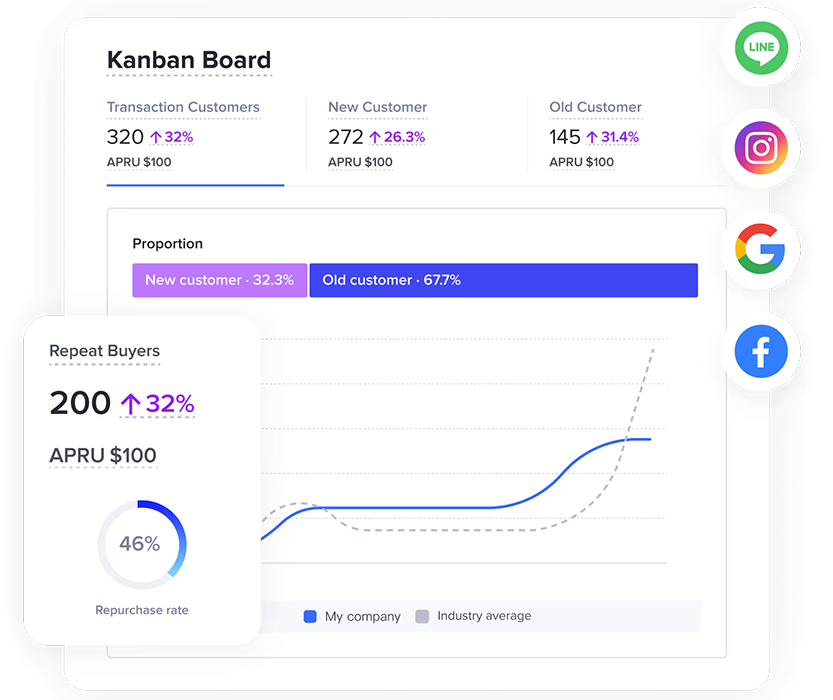
Shopline’s reporting dashboards allow you to track key metrics like sales performance, customer behavior, product trends, and marketing campaign results in real time.
This information lets businesses see which products are selling the most, which promotions are driving traffic, and how customers are interacting with their store.
By analyzing these insights, merchants can make more informed decisions about inventory planning, marketing strategies, and future product launches.
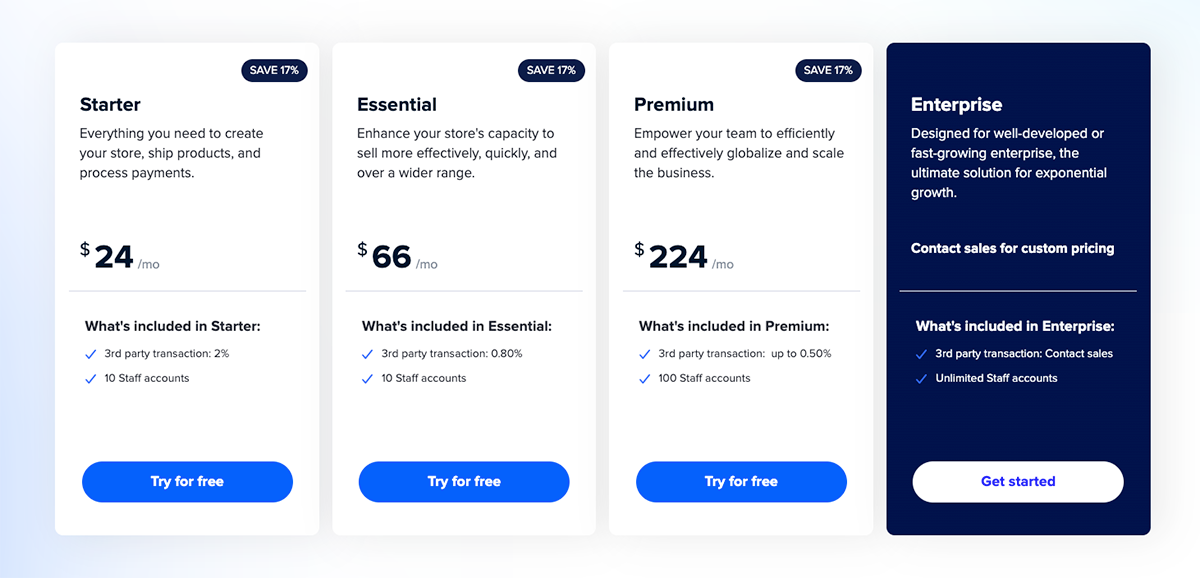
Shopline's Pricing Plans
Shopline offers several pricing tiers designed to support businesses at different stages of growth, from new merchants launching their first online store to larger brands scaling their operations globally.
Each plan unlocks additional features, lower transaction fees, and more advanced tools for managing staff and operating multiple stores.
Why You Might Want to Look for a Shopline Alternative
While Shopline offers a powerful set of tools for running an online store, no eCommerce platform is perfect for every business.
Depending on your goals, budget, or technical needs, you might find that other platforms offer features or flexibility that better match how you want to run your store.
Below are a few reasons why some merchants choose to explore alternatives to Shopline.
- Limited Brand Recognition in Western Markets: Although Shopline has a strong presence in Asia and serves hundreds of thousands of merchants globally, it still lacks the widespread recognition and ecosystem that platforms like Shopify or WooCommerce have in North America and Europe.
- Smaller App Marketplace Compared to Competitors: Though the platform offers various integrations and native tools, its app ecosystem is considerably smaller than that of competitors like Shopify, which has thousands of third-party apps for everything from marketing automation to print-on-demand fulfillment.
- Customization Can Be More Limited: While Shopline supports theme customization and API integrations, developers may find fewer advanced customization options than on open platforms like WooCommerce or Magento.
- Learning Curve for New Users: Because Shopline combines so many tools—POS, social commerce, automation, and inventory management—the dashboard can feel overwhelming for beginners who just want a simple online store setup.
- Transaction Fees on Lower Plans: Some pricing tiers include third-party transaction fees, which can add up over time if you process a high volume of orders.
- Fewer Creator Tools: Creators who rely on integrations with platforms like Patreon, YouTube Merch Shelf, or specialized creator monetization tools such as tipping or fan donations may find fewer direct integrations than other commerce platforms.
- Less Community Support and Educational Content: Compared to platforms with large user bases, Shopline has a smaller community of tutorials, forums, and online resources for troubleshooting or learning advanced strategies.
For many merchants, these limitations aren’t deal breakers, but they are good reasons to compare other platforms before committing to one for the long term.
In the next section, we’ll explore several Shopline alternatives that offer different strengths depending on the type of store you want to build.
Best Shopline Alternatives for Starting an eCommerce Business
1. Fourthwall

When it comes to building a brand from the ground up, few platforms stand out quite like Fourthwall.
It’s a creator-focused eCommerce platform that lets anyone launch a fully customizable store where they can sell print-on-demand products, digital items, or subscription memberships to their most loyal fans.
While an eCommerce site like Shopline can sometimes feel overwhelming for beginners just starting their business, Fourthwall keeps things simple.
It provides an easy-to-use storefront builder, along with built-in email marketing tools and social media integrations that help creators run their business without the complexity of having to sync multiple apps together.
Fourthwall also handles much of the operational work that comes with selling merchandise.
When a customer places an order, the platform manages the production, fulfillment, shipping, and customer support behind the scenes—meaning less time worrying about inventory and logistics and more time building your brand.
Key Features That Make Fourthwall Stand Out
- Creator-Owned Website and Storefront: Launch a fully branded website where you can sell products, host memberships, and showcase content without relying on third-party marketplaces.
- Print-on-Demand Product Catalog: Fourthwall offers over 370 customizable print-on-demand products, including apparel, drinkware, accessories, home goods, and bespoke items upon request.
- No Upfront Costs for Merchandise: Create a merch line without any upfront cost and let Fourthwall handle the production and shipping for you.
- Memberships and Fan Communities: Offer tiered memberships to your fans that unlock exclusive perks such as behind-the-scenes content, early product access, private livestreams, and community interaction.
- Digital Product Sales: Fourthwall makes it easy to sell digital products like videos, music, online courses, eBooks, and downloadable content directly from your site.
- Direct Fan Payments and Donations: The platform includes tools for tips, donations, and fan funding so audiences can support creators directly.
- Native eCommerce Integrations: Fourthwall connects with platforms like YouTube Merch Shelf, Twitch Gifting, Instagram Shopping, and TikTok Shop, allowing creators to promote products and memberships directly through their content.
- Merch Drops and Limited Releases: Run seasonal merch drops and limited-edition product launches to build excitement and drive sales.
- Advanced Creator Analytics: Fourthwall provides insights into your store's sales performance, audience behavior, and membership engagement so creators can better understand how their business is growing.
- Built-In Email and Audience Management: Creators can collect customer emails and communicate directly with their fans thanks to built-in apps like Klaviyo, Kit, beehiiv, and Mailchimp.
- Fully Branded Mobile Apps: Turn your membership content into a fully branded mobile experience where supporters can access videos, posts, and exclusive content in one place.
Pricing
Free Plan: $0/month
- Launch your own creator website and storefront
- Sell print-on-demand merchandise with no upfront inventory
- 5% transaction fee on digital products, memberships, and tips
- Full access to the storefront builder and product customization tools
- Sell digital products like videos, downloads, and courses
- Offer memberships with tiered perks for your community
- Accept fan donations and tips
- Integrations with platforms like YouTube, Twitch, and TikTok
- Production, fulfillment, shipping, and customer support are handled by Fourthwall
Pro Plan: $19/month or $180/year
Everything in the Free Plan, plus:
- 0% fees on digital products and memberships
- Free custom .store domain for your website
- $10 monthly product sample credit for testing merch
- Advanced analytics and reporting tools
- Unlimited team members with store access
- Priority customer support for faster assistance
2. Shopify

When people talk about launching an online store, Shopify is usually one of the first platforms that comes up.
It’s designed for entrepreneurs, small businesses, and large brands that want a reliable system for selling products online without worrying about hosting, security, or complicated software setups.
Everything runs in the cloud, so you can manage your store from any browser while Shopify handles the technical infrastructure behind the scenes.
For merchants who want a platform that can scale from a small side project to a full-scale eCommerce business, Shopify is often the go-to choice.
Key Features That Make Shopify Stand Out
- Hosted eCommerce Platform: Shopify is a fully hosted platform, which means merchants don’t need to worry about web hosting, server management, or software updates.
- Professional Storefront Themes: The platform includes 24 free themes and more than 1,000 premium templates, giving merchants plenty of options for building a visually polished online store.
- Massive App Marketplace: Shopify’s app store features 13,000+ integrations that allow merchants to extend their store with tools for marketing, accounting, customer support, product reviews, shipping, and more.
- Multi-Channel Selling: Shopify allows merchants to sell across multiple channels, including their online store, Instagram, Facebook, TikTok, Amazon, eBay, and Pinterest, helping brands reach customers wherever they shop.
- Shopify POS for In-Person Sales: The platform includes a powerful point-of-sale system that allows businesses to sell products in retail stores, pop-up shops, or live events while keeping inventory synced with their online store.
- Advanced Product Management: Shopify makes it easy to organize large product catalogs with automated smart collections, CSV imports, and product variant management.
- International Selling Tools: Through Shopify Markets, merchants can sell globally with automatic currency conversion, localized checkout experiences, and support for multiple languages.
- Built-In Marketing Automation: Shopify includes tools like Shopify Flow and Shopify Messaging, which help merchants automate abandoned cart emails, upsells, customer segmentation, and marketing campaigns.
- Strong SEO and Blogging Features: Shopify includes built-in blogging tools, customizable meta tags, automatic redirects, and integrations with SEO tools like Yoast, making it easier to grow organic traffic.
- AI-Powered Tools: Shopify’s AI suite, Shopify Magic and Sidekick, helps merchants generate product descriptions, analyze store performance, and automate parts of the store management process.
Pricing
Basic Plan: $29/month
- Sell products through a fully hosted online store
- Access Shopify’s industry-leading checkout system
- Built-in AI tools to help generate product descriptions and manage store tasks
- Accept payments with card rates starting at 2.9% + 30¢ USD per transaction
- Earn up to $5,000 in Shopify credits to invest back into your business
- Includes a free trial and $1/month for the first three months
Grow Plan: $79/month
Everything included in the Basic plan, plus:
- Built for small teams that need additional tools to manage sales and operations.
- Lower payment processing rates starting at 2.7% + 30¢ USD
- Shipping discounts of up to 87% with a supported carrier
- Support for up to 5 staff accounts
- Earn up to $7,500 in Shopify credits
Advanced Plan: $299/month
Everything included in the Grow plan, plus:
- Lower payment processing rates starting at 2.5% + 30¢ USD
- Access to live third-party carrier shipping rates at checkout
- Support for up to 15 staff accounts
- Regional customization tools to tailor stores for different markets
- Earn up to $10,000 in Shopify credits
- Includes a free trial and $1/month for the first three months
Shopify Plus: Starting at $2,300/month
Everything included in the Advanced plan, plus:
- Payment processing rates starting at 2.25% + 30¢ USD
- Fully customizable checkout experience
- Unlimited staff accounts for large teams
- Support for up to 200 POS Pro locations
- Advanced B2B wholesale catalogs and enterprise selling tools
- Priority 24/7 phone support
3. BigCommerce
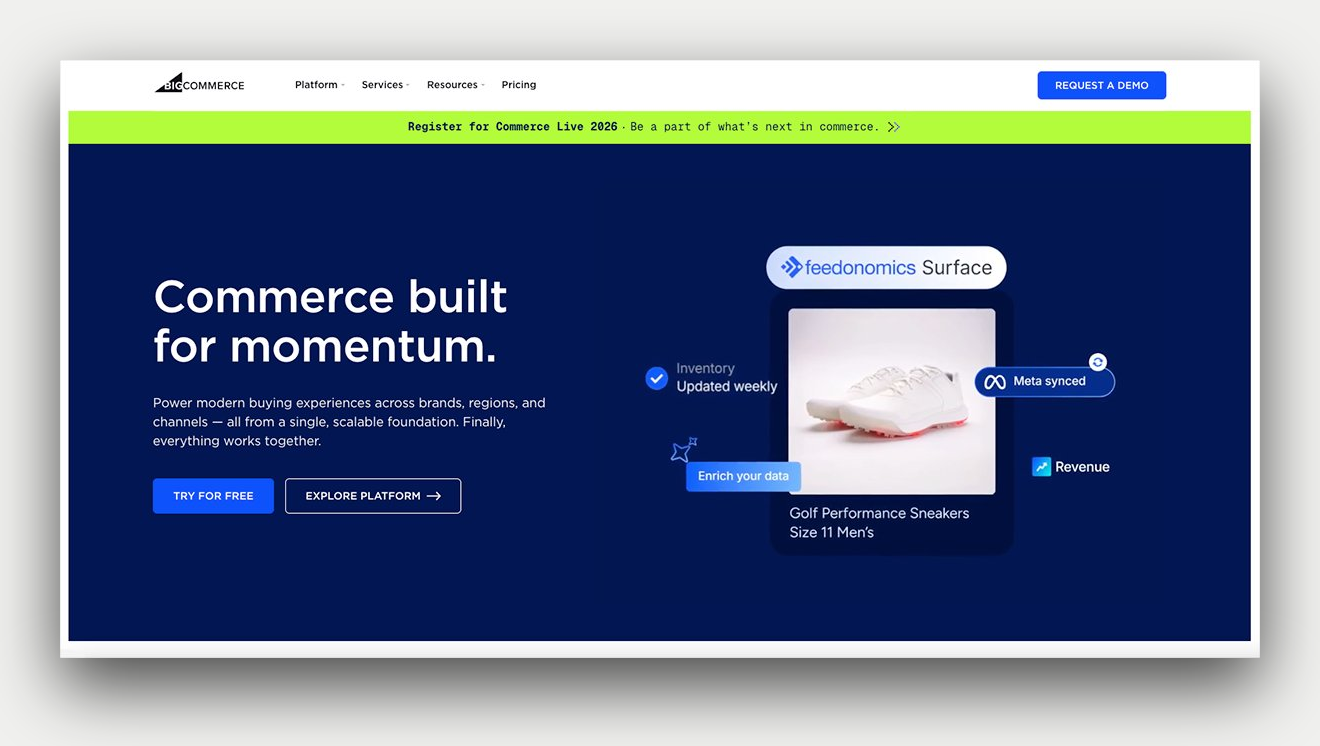
BigCommerce is a fully hosted SaaS solution, which means everything runs on the platform’s servers, which allows you to manage your store directly from a web browser without installing any software.
It’s designed for businesses that want strong eCommerce functionality without relying heavily on third-party apps.
While it’s often used by small and mid-sized merchants, the platform also powers major brands like BMW, Ben & Jerry’s, and Ted Baker, showing that it can scale to support large eCommerce operations.
For merchants who want more built-in features, flexible product options, and strong multi-store capabilities, BigCommerce stands out as one of the most capable eCommerce platforms available.
Key Features That Make BigCommerce Stand Out
- Manage Multiple Storefronts: One of BigCommerce’s most unique advantages is the ability to run multiple online storefronts from a single account. Even entry-level plans allow merchants to manage several stores at once.
- No Platform Transaction Fees: There are no transaction fees on any plan. Merchants only pay the processing fees charged by their chosen payment gateway.
- Advanced Product Variants and Options: BigCommerce supports up to 250 product options and 600 variants per product, giving merchants far more flexibility than many competing platforms.
- Unlimited Staff Accounts: Unlike many eCommerce platforms that restrict how many team members can access your store, BigCommerce allows unlimited staff accounts on all plans.
- Multi-Channel Selling: Merchants can sell across multiple platforms, including Amazon, eBay, Facebook, Instagram, TikTok, Walmart, and Snapchat, expanding their reach beyond their main storefront.
- Built-In Blogging and SEO Tools: BigCommerce includes a built-in blog along with strong SEO features such as editable URLs, automatic image optimization, customizable meta tags, and 301 redirects.
- Drag-and-Drop Page Builder: The platform includes a visual page builder that lets merchants design product pages, landing pages, and storefront layouts without coding.
- Real-Time Shipping Rates: BigCommerce supports live carrier shipping rates on all plans, allowing customers to see accurate shipping costs at checkout.
- Multi-Currency Selling: BigCommerce allows merchants to automatically display prices and complete checkout in the customer’s local currency, helping improve global conversion rates.
- Extensive App Marketplace: The platform offers more than 1,200 integrations that extend functionality with tools for marketing, accounting, shipping, CRM, and customer support.
Pricing
Standard Plan: $39/month
- Unlimited products and bandwidth
- Multi-channel selling across major marketplaces
- Drag-and-drop page builder
- Built-in SEO tools and blogging functionality
- Professional reporting and analytics
Plus Plan: $105/month
Everything included in the Standard plan, plus:
- Abandoned cart recovery emails
- Persistent shopping cart across devices
- Customer segmentation and saved credit cards
- Higher annual sales limits
Pro Plan: $399/month
Everything included in the Plus plan, plus:
- Advanced product filtering
- Higher annual sales limits
- Additional storefronts for multi-brand operations
- Expanded reporting and analytics tools
Enterprise Plan: Custom Pricing
- Advanced API access
- Greater bandwidth and security features
- Custom integrations and infrastructure support
- Priority onboarding and dedicated account management
4. WooCommerce

WooCommerce is an open-source eCommerce plugin for WordPress that turns a standard website into a fully functional online store.
Instead of using a separate hosted platform, WooCommerce integrates directly into your WordPress dashboard, giving you full control over your store’s design, features, and infrastructure.
Its flexibility, massive plugin ecosystem, and customizable themes allow merchants to build anything from a simple creator storefront to a large-scale online retail operation.
For businesses that want complete ownership of their website and the ability to customize every part of the shopping experience, WooCommerce remains one of the most widely used eCommerce solutions in the world.
Key Features That Make WooCommerce Stand Out
- Open-Source Customization: Developers can customize everything from checkout flows to product pages using themes, plugins, or custom code.
- Massive Plugin Ecosystem: WooCommerce offers more than 700 official extensions, while the broader WordPress ecosystem provides access to 59,000+ plugins that expand functionality with tools for marketing, SEO, analytics, inventory management, and automation.
- Unlimited Products and Variations: Merchants can sell unlimited products with flexible product structures, including simple products, grouped products, variable products, subscriptions, and digital downloads.
- Strong Inventory Management Tools: WooCommerce provides built-in inventory tracking that allows store owners to manage stock levels, track product variations, generate inventory reports, and organize large product catalogs efficiently.
- Flexible Payment Gateway Support: The platform supports dozens of payment processors, including WooPayments, PayPal, Stripe, Square, and Apple Pay, making it easy to accept payments from customers worldwide.
- WordPress SEO and Blogging Integration: Built-in blogging tools and SEO plugins like Yoast SEO help improve search visibility and attract organic traffic.
- Multi-Channel Selling Integrations: WooCommerce connects with popular marketplaces such as Amazon, eBay, Etsy, and Facebook Shops, allowing merchants to manage products and orders across multiple channels.
- Extensive Marketing Tools: Merchants can create discount codes, run promotional campaigns, set up email marketing automations, and implement abandoned cart recovery tools using plugins.
- Dropshipping and Print-on-Demand Compatibility: Integrates with many dropshipping and print-on-demand services, including Printful, Printify, Spocket, and AliExpress.
- Detailed Analytics and Reporting: Built-in analytics that track revenue, orders, products, and customer behavior. Stores can also integrate with Google Analytics for better insights into traffic and conversions.
Pricing
Core WooCommerce Plugin: Free
- Full access to WooCommerce’s core eCommerce features
- Unlimited products and categories
- Inventory management tools
- Built-in analytics and reporting
- Basic payment gateway integrations
Additional Costs to Consider
- Web hosting and domain registration
- Premium WordPress themes
- Paid WooCommerce extensions and plugins
- Payment processing fees from gateways
5. Squarespace

Squarespace is an all-in-one website builder and eCommerce platform that allows entrepreneurs to design, launch, and manage an online store from a single dashboard.
Known for its sleek templates and intuitive drag-and-drop editor, Squarespace makes it easy for businesses to create visually polished storefronts without needing any coding skills.
The platform also includes built-in tools for payments, inventory management, marketing, and SEO, reducing the need for third-party apps.
For creators and brands that prioritize design, simplicity, and a streamlined setup process, Squarespace stands out as one of the most accessible eCommerce platforms available.
Key Features That Make Squarespace Stand Out
- Drag-and-Drop Website Builder: The platform includes an intuitive visual editor that lets users customize page layouts, product displays, and storefront design without touching code.
- Built-In Store Management Tools: Squarespace provides integrated tools for managing orders, inventory, customers, shipping, taxes, and payments from a single dashboard.
- Flexible Product Selling Options: Merchants can sell physical products, digital downloads, services, subscriptions, and gift cards directly from their Squarespace store.
- Integrated Appointment Scheduling: Supports service-based businesses through built-in appointment booking and calendar management using Acuity Scheduling.
- AI-Powered Content Tools: Squarespace AI can generate product descriptions, website copy, and page content to help merchants launch their stores faster with on-brand messaging.
- Built-In Marketing and SEO Features: The platform includes integrated SEO tools, email marketing campaigns, and social media integrations to help merchants drive traffic and grow their audience.
- Mobile Store Management: Squarespace’s mobile app allows store owners to manage products, track inventory, scan shipping labels, and communicate with customers while on the go.
- Point-of-Sale (POS) Selling: Sell products online and in person using Squarespace’s POS features, keeping inventory and customer data synced across all sales channels.
- Print-on-Demand Integration: Squarespace integrates with Printful through its Custom Merch feature, allowing merchants to design and sell print-on-demand products without holding inventory.Pricing
Basic Plan: $25/month ($16/month billed annually)
- Up to 2 hosts on a site
- Custom website builder with professional templates
- Squarespace AI
- Sell products, content, and memberships
- Send invoices to customers
- Credit card rates starting at 2.9% + $0.30
- 2% transaction fees for online stores
- 7% fee on digital content and memberships sold
Core Plan: $36/month ($23/month billed annually)
Everything included in the Basic plan, plus:
- Unlimited contributors
- Advanced analytics and reporting tools
- Custom CSS and JavaScript support
- Credit card rates starting at 2.9% + $0.30
- 0% transaction fees for online stores
- 5% fee on digital content and memberships sold
- Professional email from Google Workspace
- API integrations for advanced sales functions
- Professional shipping and tax services
Plus Plan: $56/month ($39/month billed annually)
Everything included in the Core plan, plus:
- Credit card rates starting at 2.7% + $0.30
- 0% transaction fees for online stores
- 1% fee on digital content and memberships sold
Advanced Plan: $139/month ($99/month billed annually)
Everything included in the Plus plan, plus:
- Credit card rates starting at 2.5% + $0.30
- 0% transaction fees for online stores
- 0% fee on digital content and memberships sold
6. Sellfy

Sellfy focuses on making eCommerce accessible, allowing users to launch a fully functional online store in minutes using pre-built templates and an intuitive dashboard.
It’s especially popular among creators because it supports a wide range of product types, including digital downloads, subscriptions, physical products, and print-on-demand merchandise.
With built-in marketing tools, straightforward store management features, and no transaction fees, Sellfy offers a fast and affordable way to start selling products online.
Key Features That Make Sellfy Stand Out
- Quick Store Setup: Sellfy is designed for speed and simplicity, with many users launching their store in as little as 15 minutes by adding products, customizing their storefront, and connecting a payment processor.
- Creator-Friendly Product Types: The platform supports multiple product categories, including digital downloads, physical goods, subscriptions, print-on-demand merchandise, and even free products used as lead magnets.
- Print-on-Demand Merchandising: Creators can design and sell custom merchandise such as t-shirts, hoodies, mugs, posters, and accessories, with Sellfy handling production and shipping after each order.
- Pre-Made Store Templates: Sellfy offers 11 pre-designed store themes that help users quickly build a professional-looking storefront without needing design experience.
- Built-In Marketing Tools: Includes features such as email campaigns, discount codes, upsell tools, and cart abandonment emails to drive conversions and boost sales.
- Customer and Order Management: Merchants can track all customer data and order history in one place, including purchase dates, payment status, subscription details, and fulfillment progress.
- Simple Payment Integrations: Sellfy integrates with Stripe and PayPal, allowing merchants to accept payments securely through credit cards, digital wallets, and bank transfers.
- Easy Store Embedding: Stores can be embedded into existing websites, blogs, or social platforms using buy buttons, product pages, or full storefront embeds.
- Analytics and Performance Tracking: Sellfy provides simple yet useful analytics that track metrics including store visits, revenue, conversion rates, top products, and traffic sources.
- Third-Party Integrations: Supports integrations with tools like Google Analytics, Facebook Pixel, Patreon, and Zapier, allowing sellers to connect with thousands of additional apps.
Pricing
Starter Plan: $29/month
- Sell unlimited products
- Sell digital downloads, subscriptions, and physical products
- Basic store customization tools
- Discount codes and email marketing tools
- Connect PayPal and Stripe for payments
Business Plan: $79/month
Everything included in the Starter plan, plus:
- Higher revenue limits
- Advanced marketing tools
- Upselling features to increase order value
- Priority customer support
Premium Plan: $159/month
Everything included in the Business plan, plus:
- Highest revenue limits
- Advanced product migration tools
- Premium customer support
- Expanded store customization options
7. Ecwid
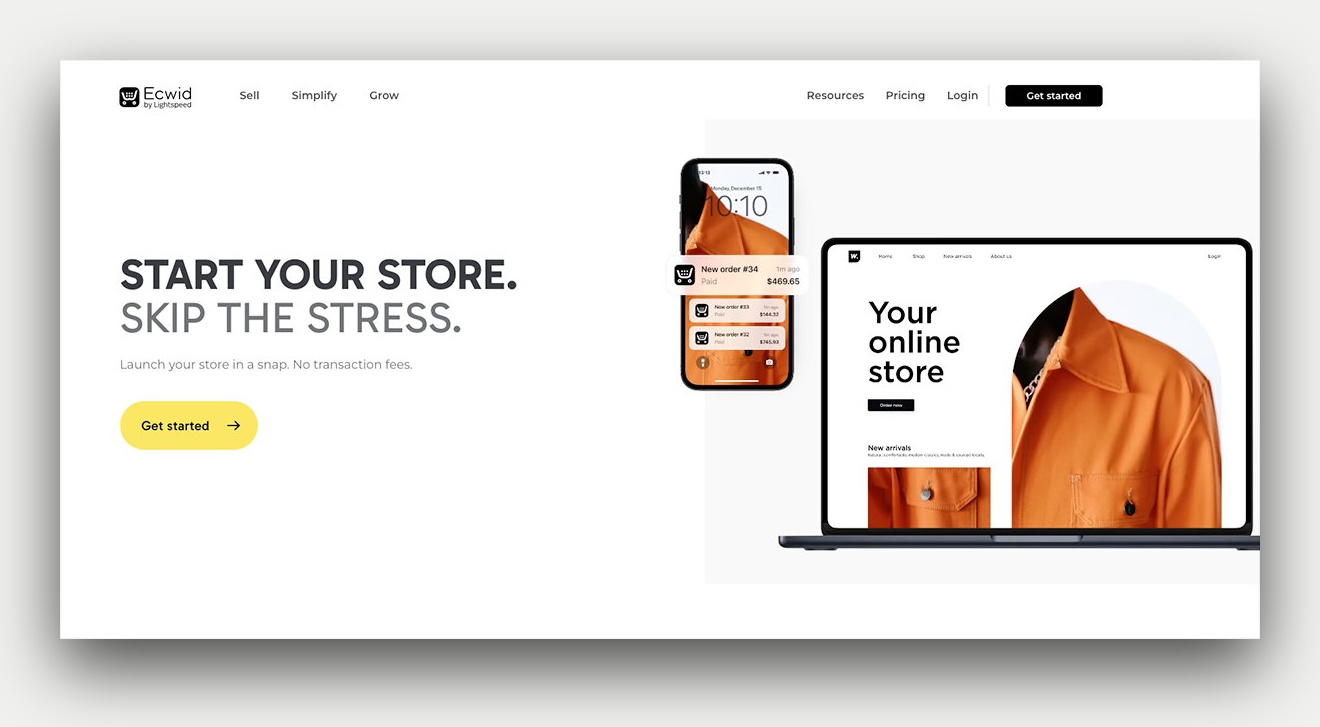
Unlike traditional website builders, Ecwid (short for eCommerce widget) is a cloud-based eCommerce platform that lets you embed your store directly on other websites, blogs, and social media pages.
The platform hosts the store and checkout system itself, which means you don’t need to upgrade your website hosting plan to support eCommerce functionality.
With strong product management tools, flexible payment options, and built-in integrations with marketplaces and dropshipping suppliers, Ecwid offers a practical solution for businesses looking to sell online without a complicated setup.
Key Features That Make Ecwid Stand Out
- Embed Your Store Anywhere: Simply copy a code widget and paste it into your existing website, allowing you to add eCommerce functionality without rebuilding your entire site.
- Flexible Store Hosting: Ecwid hosts your entire eCommerce system, including product data, checkout, and order processing.
- Organized Product Management Tools: Its product dashboard is structured with clear tabs for managing product details, pricing, inventory, and shipping information—making it easier to manage large product catalogs without constantly jumping between menus.
- Multi-Channel Selling: The platform allows merchants to sell across multiple channels, including websites, social media platforms, online marketplaces, and mobile storefronts.
- Import and Export Product Data: Ecwid allows merchants to easily import or export product listings using CSV files, making it easier to migrate stores, update catalogs, or move product data between platforms.
- Extensive Payment Gateway Options: Supports dozens of payment processors, including Stripe, PayPal, Square, Clover, Amazon Pay, and Lightspeed Payments, providing users plenty of flexibility in how they accept payments.
- Dropshipping Integrations: Connects with several dropshipping providers, including Printful and Syncee, allowing merchants to sell products without holding inventory.
- Point-of-Sale (POS) Capabilities: Ecwid includes mobile POS functionality through its app and can integrate with external POS systems like Square and Clover, allowing businesses to sell both online and in person.
- App Market and Integrations: Tools such as Google Analytics, Facebook Pixel, Zapier, and Google Merchant Center help merchants expand their store’s functionality.
- Custom Development Options: For businesses that require advanced customization, Ecwid offers professional coding and integration services to build custom features or connect with specialized third-party tools.
Pricing
Starter Plan: $5/month
- Single-page Instant Site builder
- Sell up to 5 products
- Free subdomain (.company.site)
- Unlimited bandwidth and hosting
Venture Plan: $30/month
- Sell up to 100 products
- Custom domain support
- Automated tax calculations
- Access to the Ecwid App Market
- Mobile POS functionality
Business Plan: $55/month
- Sell up to 2,500 products
- Product filters and product variations
- Advanced store management tools
- Mobile POS support
Unlimited Plan: $130/month
- Unlimited products
- Full access to all eCommerce features
- Third-party POS integrations
- Expanded customization options
8. OpenCart

OpenCart is an open-source eCommerce platform built with PHP using a Model-View-Controller (MVC) framework that separates the website’s design, data, and logic, keeping the code organized and easier to manage.
As a merchant, you have full control over your online store, with a straightforward admin dashboard that helps you manage products, customers, and even multiple storefronts for large-scale businesses.
With thousands of extensions, built-in marketing tools, and support for dozens of payment gateways and shipping methods, OpenCart gives businesses the flexibility to customize nearly every part of their store without having to pay monthly fees.
Key Features That Make OpenCart Stand Out
- Open-Source Flexibility: Allows developers and store owners to fully customize their storefront, features, and functionality using PHP and its MVC framework.
- Multi-Store Management: Merchants can run multiple online stores from a single dashboard, making it easier to manage products, orders, and settings across different storefronts.
- User-Friendly Admin Dashboard: OpenCart admin panel provides a centralized place to manage products, install extensions, track orders, monitor sales performance, and organize customer groups.
- Large Extension Marketplace: Access to 13,000+ extensions and plugins that add new features such as payment gateways, shipping tools, marketing automation, and analytics.
- Advanced Product and Inventory Management: Merchants can easily manage product categories, variations, attributes, and stock levels while tracking inventory across multiple locations.
- Built-In Marketing Tools: Drive more sales with features like coupon codes, discounts, affiliate programs, and campaign tracking.
- Wide Payment Gateway Support: OpenCart comes with 50+ payment methods already integrated, including PayPal, Klarna, Skrill, Amazon Pay, and bank transfers, with hundreds more available through extensions.
- Integrated Shipping Options: Supports major shipping providers such as UPS, USPS, FedEx, Royal Mail, and Australia Post, making it easier to manage global deliveries.
- SEO and Product Feed Tools: The platform includes basic SEO settings for product pages along with integrations for Google Shopping and product feeds to help improve product visibility.
- Responsive Storefront Design: Every store is built with responsive layouts that automatically adjust to mobile, tablet, and desktop screens, ensuring customers have a smooth shopping experience on any device.
Pricing
OpenCart Open-Source Edition: Free
- Download and install the OpenCart platform
- Access core eCommerce features and admin dashboard
- Manage unlimited products and categories
- Use built-in marketing tools and analytics
Although OpenCart’s core software is completely free, running a store requires additional paid services, such as hosting, domains, and optional extensions.
Build an eCommerce Store Tailored to Your Brand
Ready to launch an online store that's 100% yours?
While platforms like Shopline give merchants a solid toolkit for building a traditional eCommerce storefront, Fourthwall takes it a step further with a more creator-focused approach that lets you build a fully customizable website tailored to your brand's needs.
So, instead of juggling multiple tools for merch, memberships, and digital products, you can bundle everything into a single platform with built-in print-on-demand tools, community features, and easy-to-use storefront customization.
Don't waste your time with complicated setups and a backend that'll take you hours to figure out. Build your eCommerce store with Fourthwall today and see how easy it is to run a business straight from your home and computer.
FAQ: Shopline
What is the difference between Shopify and Shopline?
Shopify and Shopline are both hosted eCommerce platforms that help merchants build and manage their online stores, but when it comes to size and focus, that’s where they really differ.
Shopify has a much larger global app marketplace, developer community, and third-party integrations, making it one of the most widely adopted platforms for eCommerce businesses.
Shopline, on the other hand, focuses heavily on social commerce and marketing tools, offering features designed to help merchants sell through social media and live shopping experiences.
Is Shopline good for beginners?
Yes, Shopline is considered beginner-friendly thanks to its guided onboarding process and customizable store templates.
Merchants can quickly set up a storefront, add products, connect payment gateways, and start selling without needing advanced technical skills.
The platform also provides built-in marketing tools and tutorials that help new sellers manage and grow their online stores.
How much does Shopline cost?
Shopline offers several pricing plans that vary depending on the features and tools included for your online store.
Entry-level plans typically start at around $24 per month, with higher-tier plans offering additional marketing tools, advanced analytics, and automation features.
Larger businesses can also choose enterprise-level plans with custom pricing and more scalable eCommerce capabilities.
What are the best alternatives to Shopline?
Several eCommerce platforms provide similar tools for building and managing an online store.
Popular alternatives include Shopify, WooCommerce, BigCommerce, and Squarespace, with each offering different levels of customization, integrations, and scalability.
Creator-focused platforms like Fourthwall, on the otherhand, are strong alternatives for entrepreneurs looking to sell products and monetize their community on a single site.
Matt Keyser is a writer at Fourthwall who lives at the intersection of social media and Creator culture. With 4+ years of experience covering industry trends, his work focuses on helping Creators and brands understand how to turn their passion into a thriving business while maintaining a constant pulse on the latest eCommerce and social media trends.


You might also like

How to Create and Sell Print on Demand Journals and Notebooks

9 Gumroad Alternatives for Digital Creators in 2026

10 Best Stan Store Alternatives for Creators in 2026

9 Best Patreon Alternatives for Creators in 2026

20 Sustainable Swag Ideas for Events and Giveaways

8 Best Gelato Alternatives for Print-on-Demand in 2026

TikTok Affiliate Marketing: How It Works and How to Make Money

9 Best Redbubble Alternatives for Print-on-Demand Creators in 2026

The Top Celebrity Clothing Brands and Why They Succeeded

Keep up with the latest from Fourthwall
New features, product updates, trend breakdowns, and creator stories — straight to your inbox.