
How to Make Money as a Content Creator the Smart Way
Learn how content Creators make money, how to monetize your content, and the best ways to build multiple income streams that grow with your audience.


You don’t need a massive audience to make money as a content creator. Creators can earn through digital products, merchandise, memberships, sponsorships, affiliate marketing, UGC, courses, freelance services, and other income streams. The best approach is to choose a monetization method that fits your content, skills, and audience, focus on making it work, then gradually add new revenue streams as your creator business grows.
If you want to make money as a content Creator, it's easy to assume you need millions of views, a huge following, or viral videos before you can start earning.
You don't.
Many Creators start earning much sooner than people think. The challenge is knowing which opportunities fit your content, your audience, and your goals.
That's easier said than done. When every Creator seems to recommend a different way to make money, it's hard to know which opportunities are worth your time.
Understanding how each monetization method works makes that decision much easier. This guide will walk you through the most effective options and help you choose where to start.
Let's get into it.
14 Ways to Make Money as a Content Creator
There are many ways to make money as a content Creator, and the right starting point depends on your content, your goals, and where you are today. Here are some of the most effective monetization methods to consider:
1. Sell Digital Products
Best for: Educators, designers, writers, artists, photographers, and Creators with valuable knowledge or resources to share.
Selling digital products is one of the best ways to make money as a content Creator because you create the product once and sell it as many times as you like. There's no inventory to store, no shipping to manage, and no manufacturing costs to worry about.
For many Creators, the product is already there. It could be an ebook, a Notion dashboard, a Lightroom preset, a printable planner, stock photos, design assets, or a collection of templates you've already created for your own work.
That's one reason digital products scale so well. The time you spend creating them doesn't end with the first sale. As long as people keep finding your content, they can keep discovering your products too.
Productivity Creator Thomas Frank is a good example. His YouTube videos teach people how to work more effectively, while his Notion templates help viewers apply those ideas in their own workflows.

If you're ready to sell your own digital products, Fourthwall lets you upload them to your storefront so customers get instant access after purchase. You can also manage digital products alongside memberships, merchandise, and other offerings from the same place.
2. Launch a Print-on-Demand Merch Store
Best for: YouTubers, streamers, podcasters, artists, musicians, and Creators with an engaged community.
The best Creator merch gives people something that feels connected to the content they already love. A t-shirt, hoodie, or mug becomes more than another purchase when it reminds someone of a favorite Creator, an inside joke, or a memorable moment.
That's why successful merch often draws from the identity of the community itself. Catchphrases, recognizable artwork, and iconic moments give people a reason to choose your design over any other shirt on the shelf.
Creating great merch is only part of the process. You also need a simple way to sell it. Print-on-demand makes that much easier by producing each item only after someone places an order. That means there's no inventory to buy upfront or shipping to manage yourself.
You can sell a wide range of products, including:
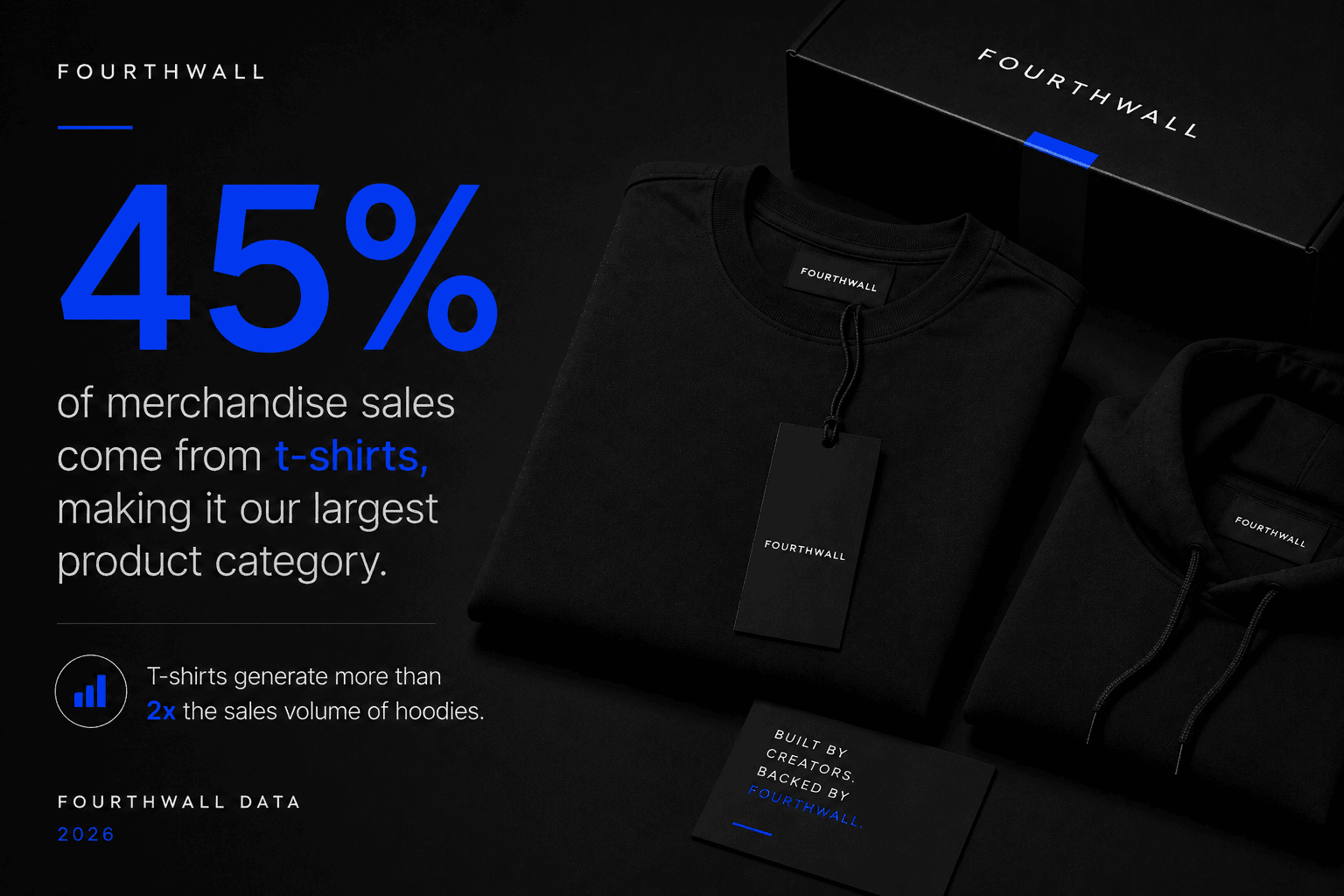
According to Fourthwall's internal data, t-shirts account for roughly 45% of all merchandise sales, generating more than twice the sales volume of hoodies. If you're launching your first design, a t-shirt is often the easiest place to start.
If you're ready to launch your own merch, Fourthwall lets you create a branded print-on-demand store without buying inventory upfront. When an order comes in, Fourthwall handles production, fulfillment, customer support, and sales tax, so you can focus on creating content.
3. Offer Paid Memberships
Best for: Creators with an active community and repeat viewers.
Memberships give your biggest supporters a way to support your work on an ongoing basis while receiving exclusive perks in return. Instead of relying on one-time purchases, they create a recurring source of income that can become more predictable over time.
The perks don't have to be complicated. Early access to content, members-only posts, private communities, live Q&As, behind-the-scenes updates, discounts, and exclusive content can all give people a reason to join and stay subscribed.
If you're ready to launch a membership, Fourthwall lets you offer recurring memberships from the same storefront as your merch, digital products, and other offerings, making it easy to manage everything in one place.
4. Work with Brands Through Sponsorships
Best for: Creators with an engaged audience and influence in a specific niche.
Brand sponsorships are one of the common ways content Creators make money. Companies pay Creators to introduce their products or services to an audience that already trusts their recommendations.
Tech Creator Marques Brownlee (MKBHD) is a good example. Over the years, he's partnered with brands like Ridge, dbrand, Brilliant, Google, and Samsung, choosing sponsors that naturally fit the technology-focused content his audience expects.

You don't need millions of followers to land sponsorships. Many brands actively work with micro Creators because their audiences are often more engaged and focused on a specific topic.
Sponsorships can take different forms, including one-off campaigns, long-term partnerships, product collaborations, affiliate-based campaigns, or brand ambassador agreements.
5. Earn Through Affiliate Marketing
Best for: Creators who regularly recommend products, tools, or services.
Affiliate marketing lets you earn a commission when someone buys through your referral link. It works well because you're recommending products that already fit naturally into your content rather than creating promotions just to make a sale.
Reviews, tutorials, buying guides, and product roundups are especially effective because people are already looking for recommendations before making a purchase.
Before recommending anything, take time to research affiliate programs in your niche. Look beyond commission rates and consider factors like product quality, brand reputation, cookie duration, and payment terms.
The right recommendations can keep generating value long after you hit publish. A helpful review or tutorial can continue earning affiliate commissions months or even years later as new people discover it.
6. Create User-Generated Content (UGC)
Best for: Creators who enjoy making short-form videos, product reviews, or lifestyle content, even without a large audience.
One of the biggest shifts in content Creator monetization over the past few years is the rise of user-generated content (UGC).
Unlike influencer marketing, UGC doesn't depend on how many followers you have. Brands hire Creators to make videos and photos they can use in advertisements, on their websites, and across social media. The focus is on your ability to create engaging content, not the size of your audience.
UGC projects can include product demonstrations, unboxing videos, testimonials, lifestyle photos, app walkthroughs, and short-form videos for platforms like TikTok and Instagram Reels.
You can find UGC opportunities through platforms like Billo, Insense, and JoinBrands, or by reaching out to brands directly.
7. Sell Online Courses and Workshops
Best for: Creators who teach practical skills or share specialized knowledge.
Online courses allow you to turn your knowledge into a product that people can purchase whenever they’re ready to learn. Instead of repeating the same lessons over and over, you create a structured learning experience that can continue generating income over time.
Courses work well for subjects like photography, video editing, coding, graphic design, fitness, marketing, business, and personal finance. Workshops are a great option if you want a more interactive format where participants can ask questions and learn alongside you in real time.
For example, Ali Abdaal has built much of his Creator business around online education. On YouTube, he shares ideas about productivity, content creation, and online business. Those same topics carry over into his courses, where he explores YouTube growth and building an online business in greater depth.

When you're ready to launch your own course or workshop, Fourthwall makes it easy to offer them alongside your digital products, memberships, and other offerings all in one place.
8. Platform Monetization Programs
Best for: Creators looking to unlock platform-based income.
Most major platforms offer built-in monetization programs that enable Creators to earn directly from their content. Depending on the platform, that can include advertising revenue, channel memberships, subscriptions, live gifts, or revenue sharing.
Before you can access these features, you'll need to meet each platform's eligibility requirements. These often include a combination of follower or subscriber count, watch time, video views, account standing, and compliance with the platform's monetization policies.
For example:
- YouTube: Join the YouTube Partner Program by meeting eligibility requirements, such as subscriber and watch-time or Shorts view thresholds, while following YouTube's monetization policies.
- TikTok: Qualify for eligible monetization programs by meeting requirements such as minimum follower and video view thresholds in supported countries.
- Twitch: Reach Affiliate or Partner status to unlock subscriptions, Bits, and other monetization features.
Platform monetization can be a useful starting point for earning from your content, but it’s not something you fully control. Because payouts and access depend on platform rules and performance, it’s smart to treat it as one part of your overall strategy rather than your only source of income.
9. Offer Freelance Services
Best for: Creators with marketable skills they can offer as a service.
Your content can show potential clients what you can do before they hire you. Tutorials, case studies, portfolio pieces, and behind-the-scenes videos can all demonstrate your skills and build trust.
Writers, designers, video editors, marketers, developers, photographers, and other skilled Creators can offer services such as:
- Video editing
- Graphic design
- Copywriting and content writing
- Social media management
- Photography
- Web design and development
- SEO and digital marketing
For example, a designer who shares branding tips on Instagram can attract business owners looking for design help. A video editor who publishes editing tutorials on YouTube gives prospective clients a clear idea of the quality they can expect.
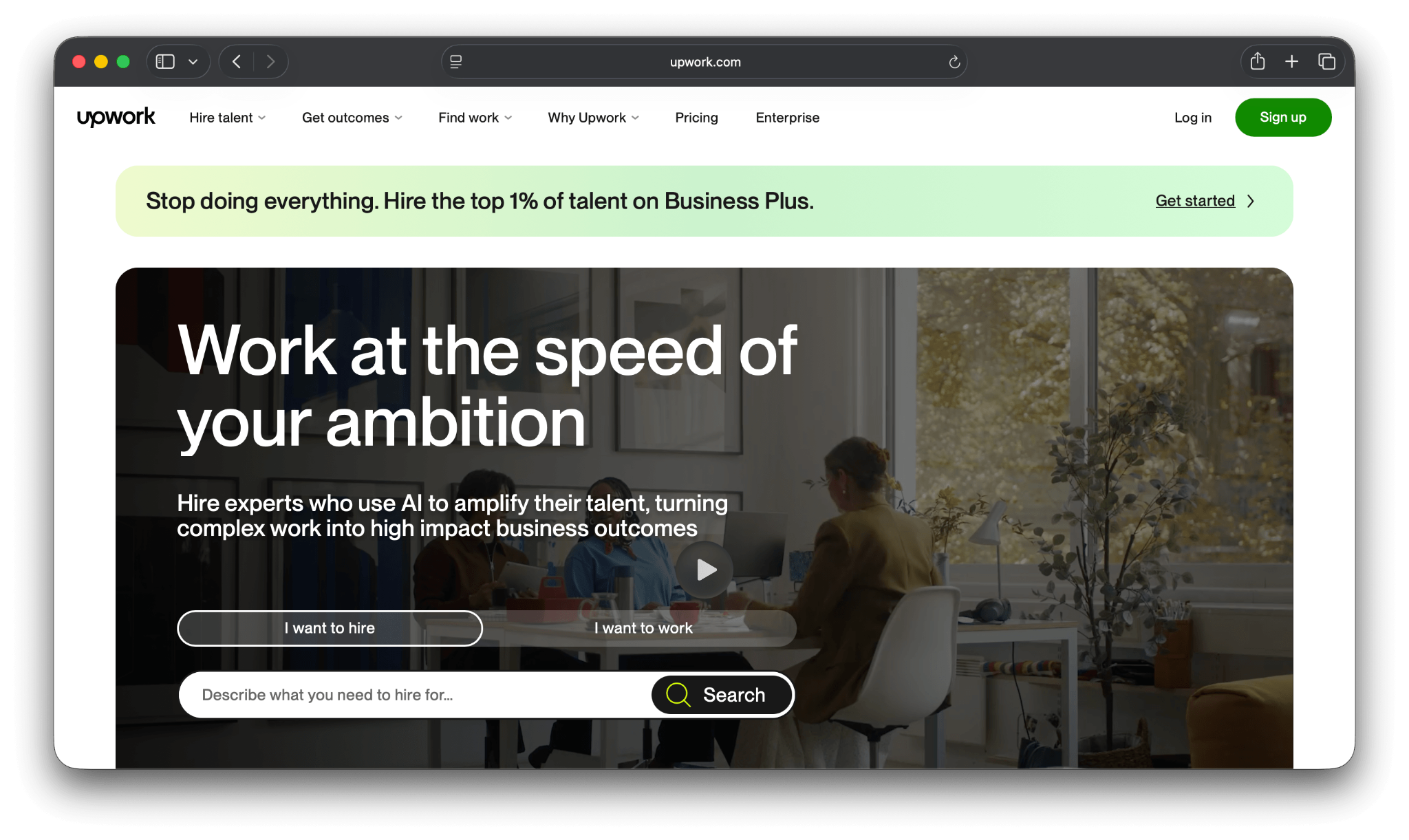
Freelance marketplaces like Upwork and Fiverr can help you find businesses already looking for these services. They make it easier to browse projects, pitch clients, and manage payments in one place. However, you'll compete with other freelancers for projects and pay platform fees on some of your earnings.
You can also find clients through referrals, direct outreach, or your own audience, giving you more control over your rates and client relationships.
10. License Your Content
Best for: Photographers, videographers, musicians, illustrators, and Creators who produce original creative work.
Licensing lets you earn money from content you've already created. Instead of selling ownership, you give other people or businesses permission to use your work while keeping the rights to it.
That means the same photo, video clip, music track, illustration, or graphic can generate income multiple times without creating something new for every customer.
Travel Creators are a good example. A drone shot originally filmed for YouTube can also be licensed through a stock marketplace, where brands, publishers, and production companies pay to use it in their own projects. The same approach works for photography, music, illustrations, motion graphics, and other digital assets.
If you're interested in licensing your work, stock marketplaces can help you reach potential buyers. Popular options include Adobe Stock, Shutterstock, Pond5, and Getty Images.
11. Offer Coaching or Consulting
Best for: Creators with expertise they can turn into personalized advice or services.
Coaching and consulting let you work directly with people who want guidance tailored to their specific goals while charging for your time and expertise. Instead of creating content for a broad audience, you work closely with individuals or teams to help them overcome specific challenges and achieve better results.
This works especially well if your content already teaches a skill, answers common questions, or helps people achieve a specific outcome.
12. Accept Tips and Donations
Best for: Creators who consistently provide free content their audience finds valuable.
Tips and donations give your audience a simple way to support your work without committing to a membership or buying a product. They're especially effective for Creators who publish tutorials, educational content, livestreams, or other resources people regularly benefit from.
Support can come through one-time donations, livestream tips, Super Chats, Super Thanks, and similar features across different platforms. While individual contributions may be small, they can become a meaningful source of income as your audience grows.
If you want to accept direct support from your audience, Fourthwall lets you collect one-time donations alongside your products, memberships, and other offerings from the same storefront.
13. Host Paid Events
Best for: Educators, coaches, performers, community builders, and Creators who enjoy interacting with their audience live.
Paid events bring your audience together in a way that videos and social media can't. Whether they're online or in person, it creates opportunities for people to ask questions, learn from you, and connect with others who share the same interests.
Depending on your niche, you might host live workshops, webinars, meet-and-greets, Q&A sessions, masterclasses, group coaching sessions, conferences, or live performances.
14. Land Paid Speaking Engagements
Best for: Creators who have built expertise and a strong reputation in their niche.
Speaking engagements become more attainable as your content establishes you as a trusted voice. Conferences, companies, schools, and industry events often look for Creators who can educate, inspire, or share practical insights with their audiences.
Opportunities range from keynote presentations and panel discussions to workshops, guest lectures, and corporate training sessions.
Simon Sinek's career reflects that progression well. His ideas reached millions through books, TED Talks, interviews, and online content, eventually leading to speaking engagements around the world.
For many Creators, that's how speaking opportunities begin—by consistently sharing valuable ideas until organizations start inviting you to share them in person.
Build Your Creator Business One Step at a Time
Every successful creator business starts with a single way to earn. For some, that's a digital product. For others, it's freelance work, affiliate marketing, sponsorships, or memberships. The right starting point depends on the value you create and the audience you're building.
As your content evolves, so will the opportunities around it. The skills you develop, the trust you earn, and the community you build can all create new ways to make money over time.
Choose one opportunity that fits where you are today and give it your full attention. Keep creating, keep learning, and let your creator business grow from there.
FAQ
Content creator earnings vary widely by niche and audience size, with most part-time creators earning under $1,000 per month while full-time creators typically make $30,000 to $150,000 per year across combined income streams. NeoReach creator earnings reports have placed the median annual income for full-time creators near $50,000, though top-tier creators reach seven or eight figures by combining merch, memberships, sponsorships, and digital products. Most successful creators stack four or five revenue streams rather than relying on platform ad revenue alone.
Content creators in the United States are not legally required to form an LLC to earn income, but registering a business becomes worthwhile once monthly earnings reach a few thousand dollars because it separates personal and business liability, opens business bank accounts, and clarifies tax reporting. Sole-proprietor income from sponsorships, affiliate commissions, merch, and platform payments can be reported on a Schedule C without any formal entity. Creators who sign brand contracts, hire editors, or sell physical products often move to an LLC.
Most full-time content creators combine four to six income streams because no single monetization method (ad revenue, sponsorships, merch, memberships, digital products, affiliate commissions) produces reliable full-time income on its own. The common pattern is one anchor stream that funds daily work, such as sponsorships or memberships, plus two to three scalable products like digital downloads, print-on-demand merch, or courses that keep earning while the creator is offline. Adding streams beyond six usually dilutes focus rather than adding revenue.
The fastest way for a beginner content creator to start earning is freelance services or user-generated content (UGC) work, since both pay without requiring a large audience or an existing product to sell. Freelance video editing, graphic design, or social media management can earn $500 to $2,000 per month within a few months of pitching clients, and UGC platforms typically pay $100 to $500 per short-form video regardless of follower count. Once monthly income is stable, layering on print-on-demand merch or digital downloads through Fourthwall keeps earning after the initial launch.
A content creator makes money primarily from the content itself through digital products, memberships, ad revenue, merch, and courses, while an influencer earns primarily by promoting other brands' products via sponsorships and affiliate deals. Most modern creators do both, but the distinction shapes the revenue mix: creator-first businesses can survive on smaller, more engaged audiences because product sales scale with buyer intent, while influencer-first businesses generally need bigger followings because sponsorship rates rise with reach.
Richard is Head of Organic Growth at Fourthwall, with 14+ years of experience in the creator economy and ecommerce. He’s built businesses across the spectrum—from print-on-demand stores to custom cut-and-sew clothing lines, as well as selling digital products. He helps creators navigate merch strategy and build sustainable businesses.


You might also like
.webp)
How to Validate a Digital Product Idea Before You Create It

How Much Does TikTok Pay in 2026? A Detailed Breakdown

25 Best Ways to Make Money With Your Phone for Beginners

How Many Views Is Viral in 2026? Benchmarks by Platform

15 Best Ways to Make Money as a College Student

10 TikTok Live Ideas to Engage Your Audience in 2026

How to Grow Social Media Followers: 8 Proven Methods for Creators

How to Start a Swimwear Line in 2026: A Step-by-Step Guide

How to Start a Clothing Line: A Complete 2026 Guide

Keep up with the latest from Fourthwall
New features, product updates, trend breakdowns, and creator stories — straight to your inbox.