
3 Lessons Every Creator Can Learn from Danny Duncan
A guest post from Jon Youshaei about Duncan's lessons from selling over $150 million in merchandise
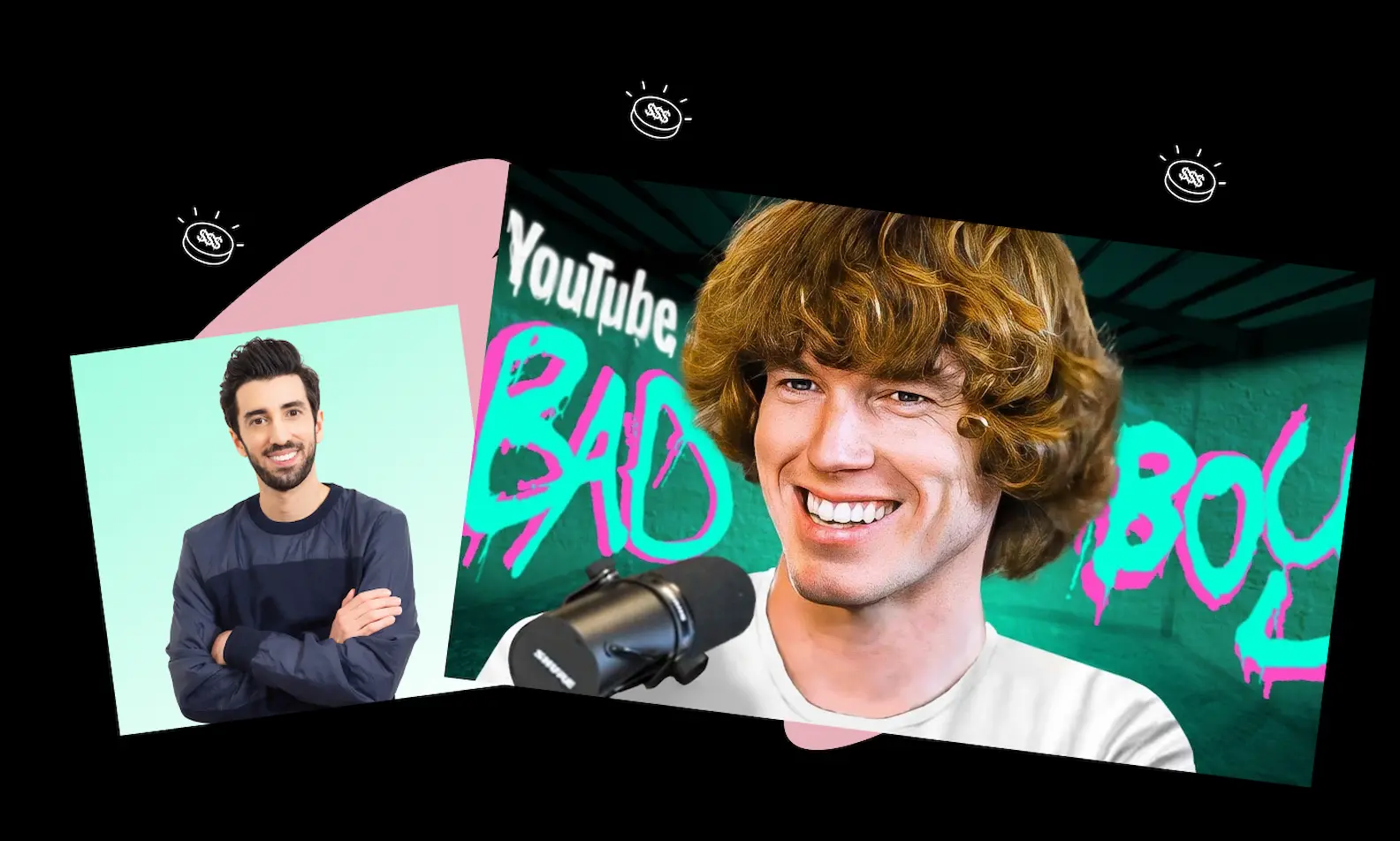


Danny Duncan might be known as YouTube’s “bad-boy,” but he’s also one of the platform’s smartest creators. Duncan sold over $150 million of his merchandise line, flagshipped with the slogan “Virginity Rocks.”
Years before Logan Paul and KSI launched Prime and lined the shelves of Walmart and before MrBeast Burger launched nationwide, Duncan had already sold out Tillys and Spencer’s with one-liner t-shirts. In fact, launching online with Zumiez, Duncan’s fans crashed the website on day one.
I recently had the chance to interview Duncan and explore the 94-acre property he recently purchased in his hometown of Englewood, Florida. Here are three lessons from Duncan that every creator needs to hear, especially when it comes to selling merch as a creator.
1. “Walmart makes way more than Supreme”
It seems that the creator economy has taken inspiration from the limited-edition drops of Supreme and other high-end brands. The approach makes sense — a limited edition not only creates hype but a sense of scarcity.
Duncan takes the opposite approach. Designs are continually restocked year after year for a reasonable price. T-shirts are $30, and hoodies go for $55.
“[People were] trying to be like Supreme, like sell out of everything. And I was always like I just want to be like Walmart. Walmart makes way more than Supreme,” Duncan said.
And the approach worked. Since Duncan’s retail launch in 2019, Virginity Rocks is now sold in over 2,000 physical locations across Spencer’s, Tilly’s, Zoomies, and a collaboration with Hooters.
For the aspiring or up-and-coming creator, this doesn’t mean stockpiling one design and not innovating. Duncan routinely adds new designs, mystery packs, and new products.
The lesson here is you don’t need to be Supreme. Hyped-up limited edition drops are not the only way to sell merchandise. If you have a great-selling product, why not keep selling it?
2. Embrace Familiarity
As a creator, your brand is most likely just you. And that’s the norm. But as a brand, your name (or your channel’s name) might not be the most appealing.
It’s tempting to just find a font you like, throw your name on a hoodie, and start selling merchandise. But the truth is, you are not Versace, Gucci, or any of the high-end brands. As a creator, your name will only take you so far.
Knowing this, Duncan’s first design was of himself in a Ronald McDonald costume. The design signaled it was a piece of Duncan’s merchandise, but also had McDonald’s brand recognition. Duncan ultimately sold over $1 million worth of this design before receiving a cease-and-desist letter from McDonald's.
When Duncan first released his Virginity Rocks design, they came in colorways eerily close to USC’s gold and cardinal, and UCLA’s blue and gold.
“I thought if you go to UCLA and are a fan of me, you might buy it,” Duncan said. “And it’s a good colorway.”
For those taking notes, Duncan's approach highlights the power of embracing an established style or parodying existing brands, making your designs instantly recognizable and familiar.
3. Go Beyond Your Name
Embracing familiarity is one way to escape the limitations of a personal brand, but Duncan takes it one step further by creating a new brand altogether.
Duncan’s merch line isn’t Danny Duncan — it’s Virginity Rocks.
Seeing a gray hoodie with ‘Virginity Rocks’ plastered proudly across it grabs my attention instantly. If I didn’t know Duncan already, I’d be perplexed enough to Google it. A hoodie that reads, ‘Danny Duncan,’ simply doesn’t have the same impact.
Creating a brand beyond yourself also means casting a wider net for potential customers. A t-shirt that reads, ‘I heart Hot Moms’ has a much broader appeal than a shirt that says Duncan’s name.
Regardless of whether Duncan stops uploading, his shirts and hoodies will keep selling. Duncan is even considering selling the brand altogether, letting Virginity Rocks exist as a clothing brand outside of Duncan himself.
While no two creator brands are alike, Duncan has found mainstream staying power with his brand, routinely selling out retail stores across the country. Take note of these three lessons, and you’ll be one step closer to crashing websites just like Danny Duncan, with your own merch drops.
Turn YouTube Fame Into a Real Creator Business
Danny Duncan didn’t turn his YouTube chaos into a massive net worth by accident. He built a system that let his brand live beyond views, subscribers, and algorithms, and that is exactly where Fourthwall comes in.
Whether you are a prankster, skateboarder, or full-time YouTuber growing on YouTube, TikTok, and Instagram, Fourthwall gives you one place to sell merch, digital products, and memberships without relying on Zumiez deals or outside platforms.
From Englewood, Florida, roots near Lemon Bay to nationwide recognition, the lesson is clear: creators who own their storefront own their future.
If you want your YouTube career to turn into something real, Fourthwall is where it starts.
For more, check out Jon's YouTube channel, website, and newsletter.
FAQ: What Creators Can Learn from Danny Duncan and Fourthwall
How did Danny Duncan turn YouTube fame into real net worth?
Danny Duncan’s net worth didn’t come from prank videos or YouTube ads alone. He built a scalable merch operation that ran independently of views and algorithms, which is precisely the kind of creator-first setup platforms like Fourthwall are designed to support.
Why didn’t Danny Duncan rely only on YouTube monetization?
YouTube revenue fluctuates, even for massive channels with millions of subscribers. Danny Duncan focused on owning his sales channel through merch, proving that creators who control their storefront, pricing, and audience relationships build far more stable income over time.
What does Danny Duncan’s merch success teach creators using Fourthwall?
His success shows that evergreen products outperform one-time hype drops. Fourthwall enables creators to restock bestsellers, test new designs, and sell consistently without worrying about inventory, which mirrors the long-term strategy Duncan used to scale.
How does Fourthwall help creators go beyond prank videos and views?
Prank videos, skateboarding clips, and comedy content attract attention, but Fourthwall turns that attention into revenue. Creators can sell merch, digital products, and memberships from a single branded hub, rather than relying on YouTube, TikTok, or Instagram algorithms.
Fourthwall is the all-in-one platform that helps Creators sell merch, launch memberships, and build a business around their content, all under their own brand. Posts under this byline come from across the Fourthwall team, drawing on what we learn from powering 200,000+ Creator stores to share practical guidance on merch, monetization, and growing an audience.


You might also like
How Speeed.co Uses the Operational Side of Fourthwall to Run Its Own Supply Chain

From One-Time Shopper to Lifelong Supporter: How U.S.VETS Turned Merch Into a Monthly Giving Engine
How Team Terrible Built a Merch Store Centered Around Their Hit Game

From TikTok Live to Viral Merch Hit: How Ashby Florence Turned a Gag Into Real-Time Sales
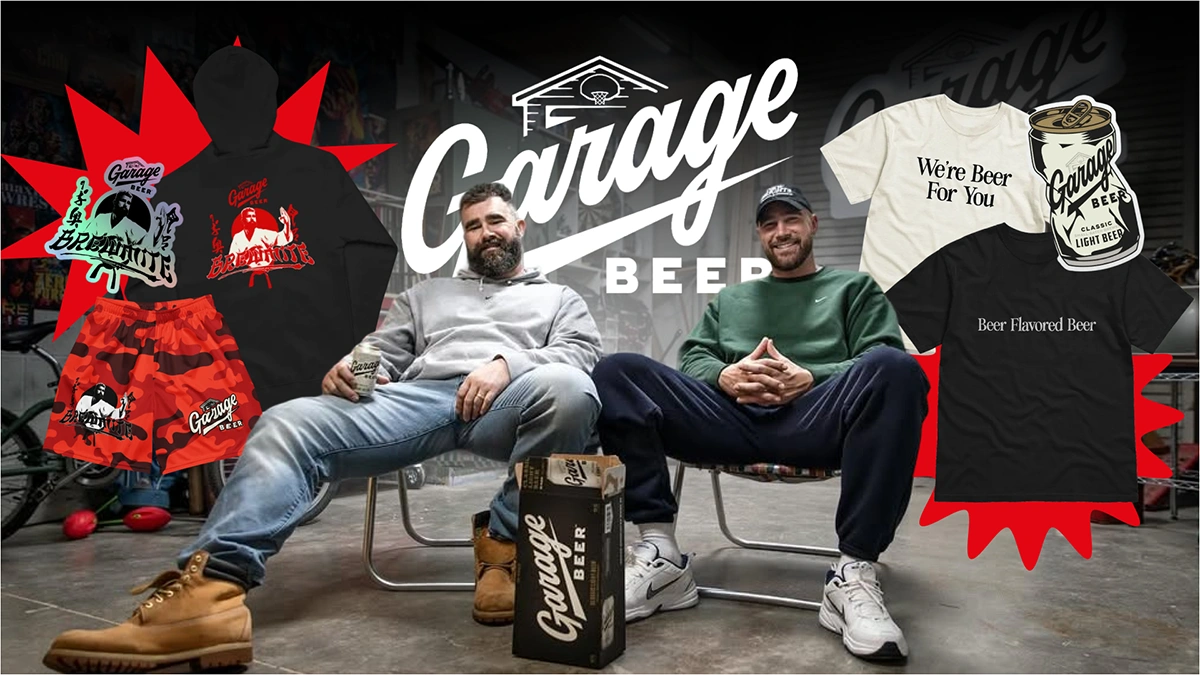
Merch, Moments, and Midwest Vibes: The Secret to Garage Beer’s Rise
How Choco and Pancake Turned Cuteness into a Creative Marketing Strategy
Discover How DougDoug Sold 3,000 Mugs in 6 Hours
Viva La Dirt League Transforms Fan Experience with VIVA+
How Moving from Patreon to Fourthwall Helped Ben & Emil Find New Success

Keep up with the latest from Fourthwall
New features, product updates, trend breakdowns, and creator stories — straight to your inbox.