How to Start a T-Shirt Business from Home in 2026


More than ten years ago, I challenged myself to launch a t-shirt business in 24 hours.
I wasn't trying to build the next big apparel brand. I was waiting for another project to launch and wanted something interesting to work on in the meantime.
So I set myself a simple challenge: come up with an idea, build a store, and see if anyone would buy—all in a single day.
I got to work. I spent $24 on a font, launched the store, and started getting sales shortly after.
A lot has changed since then.
Print-on-demand is now mainstream. AI can help generate design ideas. Social media platforms make it easier to reach niche audiences. And launching an online store takes far less work than it did when I started.
Recently, I decided to revisit that original project and rebuild it on Fourthwall.
This guide documents that process.
I'll show you how to start a t-shirt business, what has changed since I launched mine, and the approach I'm taking as I build the store again today.
Let's get started.
Is Starting a T-Shirt Business Still Worth It in 2026?
Yes. In many ways, it's easier to start a t-shirt business today than it was when I launched my original experiment.
Back then, building an online store often meant paying monthly platform fees, connecting multiple services, and figuring out fulfillment on your own.
Today, many of those barriers have disappeared. Anyone can create designs, launch a storefront, and start selling without buying inventory upfront.
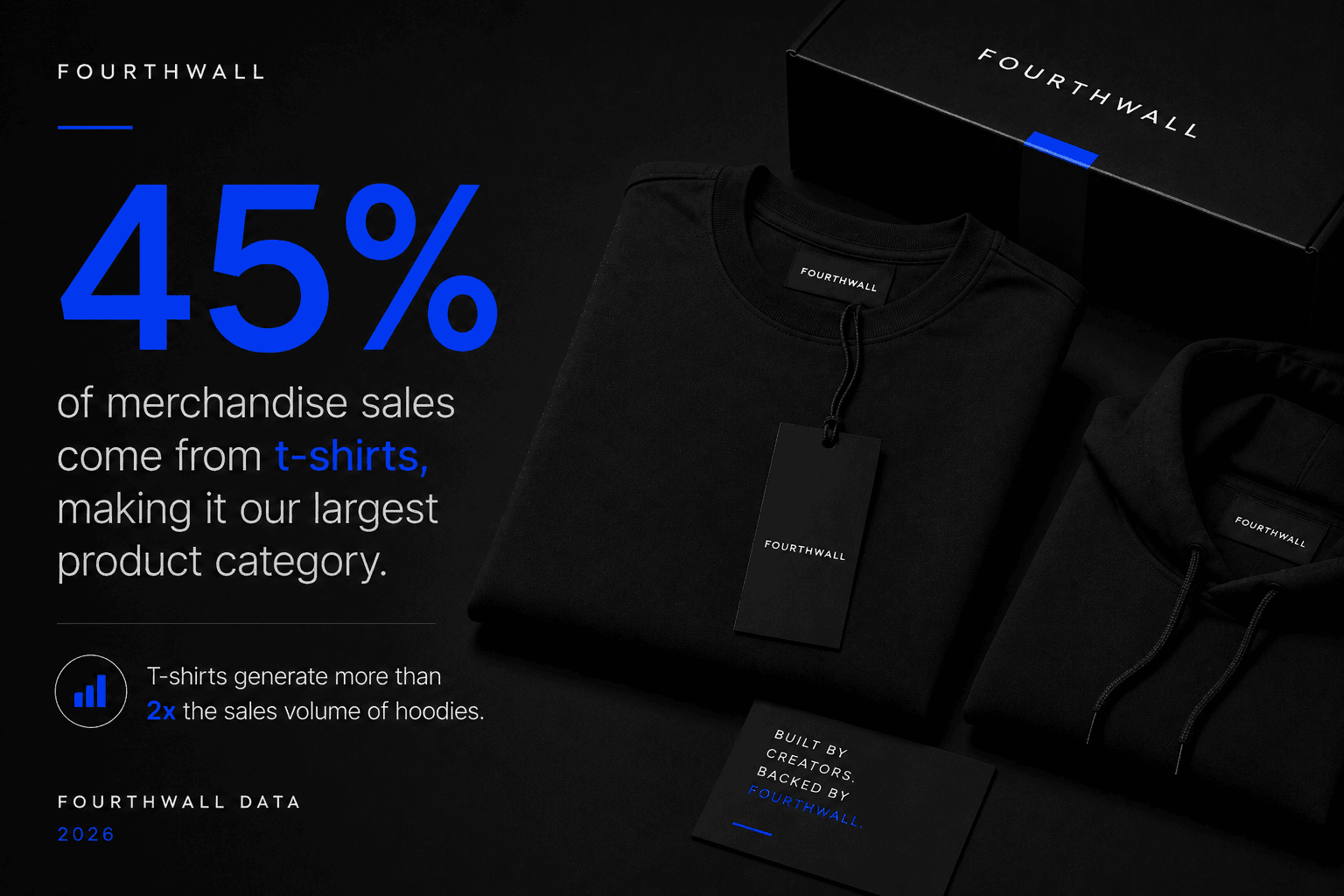
The demand is still there, too. According to Fourthwall's internal data, t-shirts remain the platform's largest product category, accounting for roughly 45% of merchandise sales and generating more than twice the sales volume of hoodies. T-shirt sales also grew 37% year over year.
AI has also changed the game.
When I launched my first store, creating a design usually meant learning design software yourself or hiring someone to help. Today, you can use AI tools to brainstorm ideas, generate concepts, and speed up parts of the creative process.
For example, a few years ago, generating artwork with this level of detail and realism would have required significant artistic skill and hours of work.
That doesn't mean AI will build a successful business for you. It simply makes execution easier.
The same thing is true for distribution.
Platforms like TikTok, Instagram, YouTube, and X make it possible for a single post to reach thousands of people. Recommendation algorithms have created opportunities that didn't exist when I launched my first store.
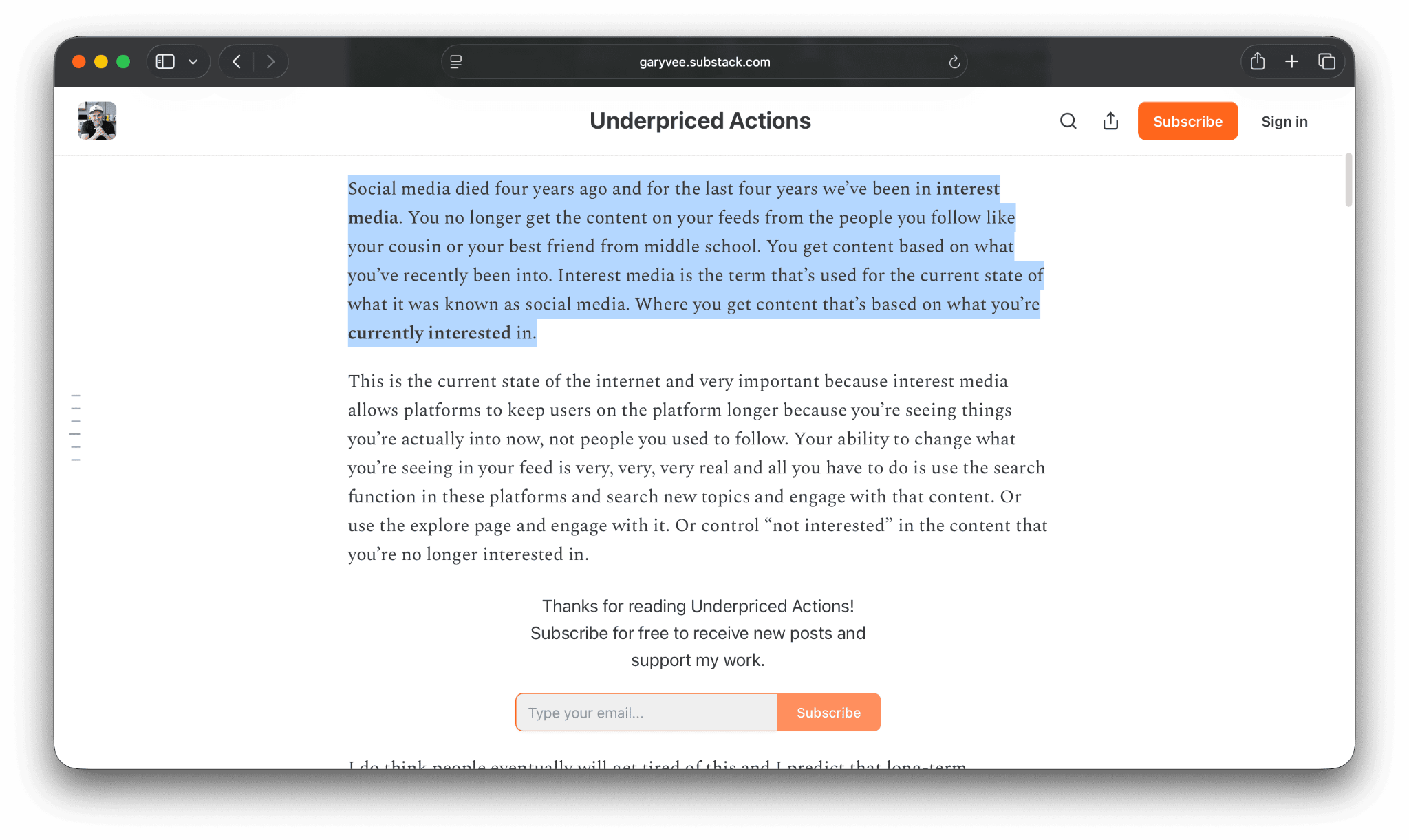
As Gary Vaynerchuk has pointed out, we're no longer in a "social media" era. We're in an "interest media" era, where platforms increasingly recommend content based on what people are interested in rather than who they already follow.
At the same time, some challenges have become more obvious.
The internet has more t-shirt stores than ever.
Anyone can launch a store. Anyone can generate designs. Anyone can start a print-on-demand t-shirt business.
That means standing out matters more than it used to.
What Building a T-Shirt Business in 24 Hours Taught Me (And Why I'm Bringing It Back)
When I started the project, I wasn't looking for a t-shirt business idea. I was looking for something interesting to build.
At the time, I was waiting for another business project to launch and had some free time on my hands. I gave myself a challenge: launch a t-shirt store in 24 hours and see what happened.
The first decision was choosing a niche.
Why I Chose the Niche
I grew up near Finch Station in Toronto.

If you've spent time there, you know it has a bit of a reputation. People have strong opinions about it. Some love it. Some make fun of it. Either way, almost everyone who knows the area has a story.
That made it interesting.
I didn't need to invent a brand from scratch or create a complicated backstory. The community already existed.
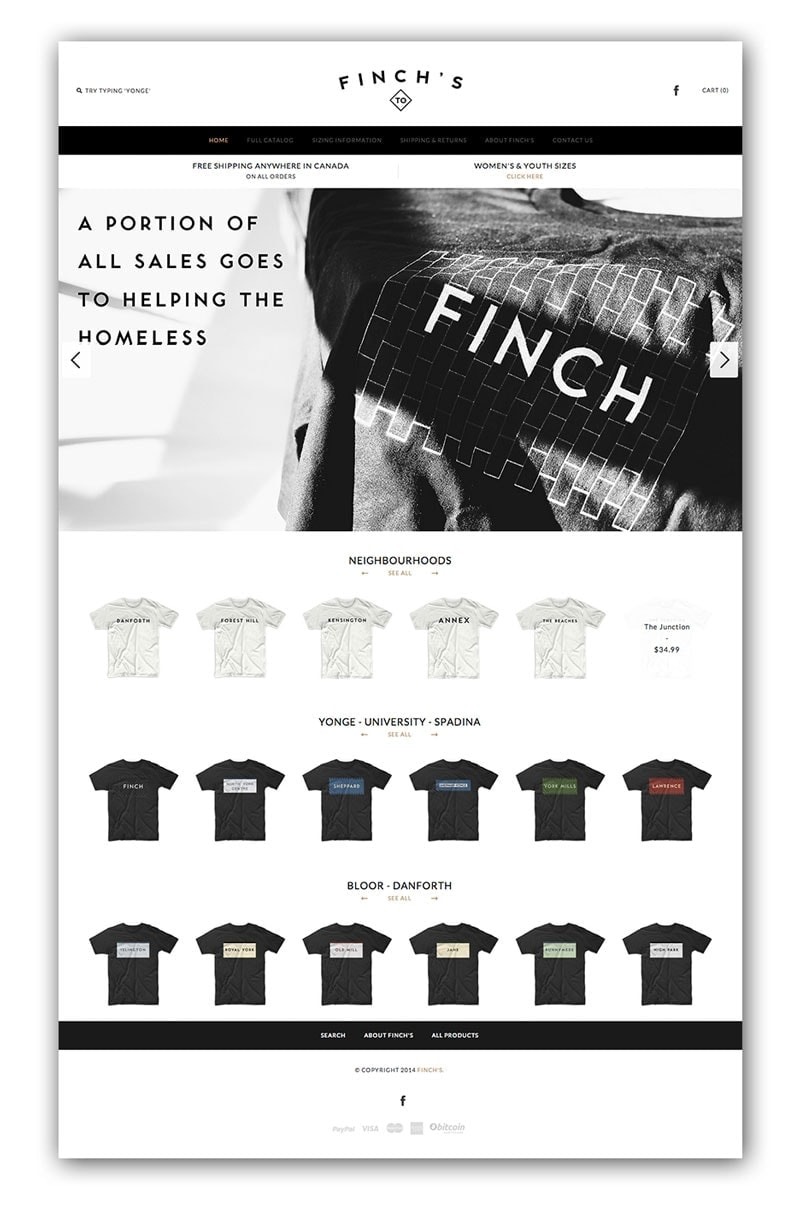
I created a simple design around Finch Station, built the store, and launched it.
Why It Resonated
Looking back, the design itself wasn't the most important part. What mattered was that people immediately understood the reference. The shirt gave people a way to wear a shared experience.
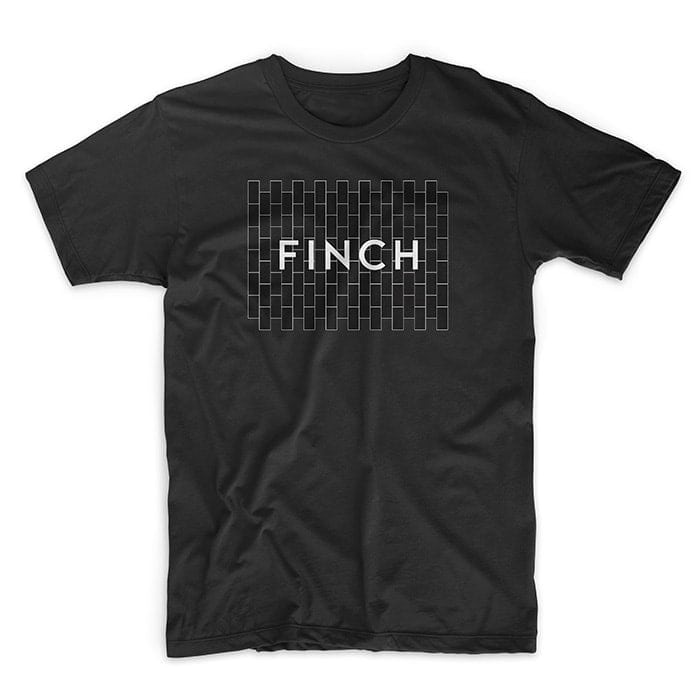
It felt familiar. It sparked conversations. People shared it with friends who had lived in the area or passed through the station every day.
That's a pattern I've noticed many times since then. The strongest t-shirt businesses often tap into something people already care about.
Why I'm Bringing It Back
The reason I'm revisiting the idea today is simple:
Many of the things that made running a small t-shirt business frustrating years ago have become much easier.
When I ran the original store, I used Shopify along with a handful of other tools.
The store itself cost $39 per month. A few additional apps added another $75 per month.
For a business I wasn't actively growing, those costs started to feel difficult to justify.
The money wasn't the only issue.
Customer support requests still showed up. Sales tax still needed attention. And the store became one more thing to manage alongside everything else I was working on.
Eventually, I decided it wasn't worth the effort.
That's a big reason why I'm rebuilding the project on Fourthwall.
The platform removes much of the operational work that made running my original store difficult. It's free to use, handles customer support on my behalf, and acts as the merchant of record, meaning it also takes care of sales tax collection and remittance.
Those may not be the most exciting parts of running a t-shirt business, but they're often the parts that create the most friction.
Removing that operational overhead makes it much easier to launch a store, test ideas, and keep a side project running without it becoming another job.
How Much Does It Cost to Start a T-Shirt Business in 2026?
One of the biggest misconceptions about starting a t-shirt business is that you need thousands of dollars to get started.
That can be true, depending on how you plan to run your business.
If you're buying inventory upfront, your startup costs can climb quickly. You'll need products, storage space, shipping supplies, and enough cash to cover inventory before making your first sale.
If you're printing products yourself, you'll need equipment and materials before you can fulfill a single order.
The third option is print-on-demand. Instead of buying inventory upfront, they're only created after a customer places an order, dramatically lowering the cost of getting started.
This is one of the main reasons I'm rebuilding this project using print-on-demand. I can test ideas, experiment with different products and designs, and learn what works before making a larger investment.
How I'm Relaunching My T-Shirt Business in 2026
I've explained why I'm rebuilding the business. Now let's build it.
Here's the process I'm following on Fourthwall:
Step 1: Start with People, Not Products
The easiest way to make selling t-shirts difficult is to start with the product.
Successful t-shirt businesses usually start with a community instead.
That's one reason my original project worked. It wasn't built around a catchy design. It was built around a community that already existed.
People knew Finch Station. They had stories about it. They recognized the reference immediately. The design simply gave them a way to express that connection.
When looking for a t-shirt niche, ask yourself:
- What communities already exist?
- What interests do people strongly identify with?
- What experiences do people share?
Many of the strongest t-shirt ideas are built around familiarity. People enjoy products that remind them of places, experiences, and communities that matter to them.
Step 2: Validate the Idea First
Once you've identified a niche, the next step is to make sure people genuinely care about it.
A few places I'd start include:
- Reddit communities
- Facebook groups
- TikTok
- Niche forums
- Google Trends
Look for signs of demand:
- Are people discussing the topic regularly?
- Are Creators making content about it?
- Are similar products already selling?
If people already care about it, you're on the right track.
One advantage of a print-on-demand business is that you can validate ideas quickly. Since there's no inventory to buy upfront, you can launch a small collection and let real customers tell you whether the idea works.
That's essentially what I did during the original challenge. I had an idea, launched it, and let the market decide.
Step 3: Choose the Right Business Model
By this point, I've already decided how I'm going to run the business.
I'm using print-on-demand because it lets me launch quickly, test ideas without buying inventory, and make changes as I learn what people want.
That decision also shapes everything that follows. Instead of managing production or storing inventory, I can focus on creating designs, building an audience, and improving the store.
One thing that's still worth understanding is how t-shirts are printed. Even if you never print products yourself, knowing the basics will help you choose the right products and make better design decisions.
We've covered the different printing methods in a separate guide, so I won't go into detail here.
The three printing methods you'll come across most often are:
- Direct-to-Garment (DTG): Ideal for detailed artwork and the standard method used by most print-on-demand services.
- Screen Printing: Best for large production runs.
- Heat Transfer: Common for sellers producing shirts themselves with a heat press.
Now that the business model is in place, it's time to start designing the products.
Step 4: Design for Your Audience
Many first-time sellers assume every shirt needs to be highly detailed or visually impressive. In reality, some of the strongest designs are remarkably simple. A phrase, an inside joke, or a familiar reference can be enough if it resonates with the right audience.
That's one reason my original Finch Station shirt worked. People understood the reference immediately.
As you design, ask yourself:
- Would someone in this community understand the reference?
- Would they wear it?
- Would they send it to a friend?
Those questions matter more than whether the design looks complicated.
Once you have a direction, AI can help you brainstorm ideas, explore concepts, and create rough drafts much faster. However, if design isn't your strength, consider hiring a freelancer from the Fourthwall design community.

Finally, keep your designs original. Avoid using copyrighted artwork, logos, movie or TV characters, music-related intellectual property, or other protected assets unless you have permission.
Step 5: Create Mockups That Make Your T-Shirts Look Real
Mockups help customers picture themselves wearing the shirt. They also make your store feel more professional.
When creating mockups, try to show the product in a realistic context.
That might include:
- Lifestyle photography
- Real people wearing the product
- Clean product images
- Multiple angles
- Close-up details
Avoid cluttered backgrounds and low-quality images.
The goal is clarity. People should understand what they're buying within a few seconds.
If you're using print-on-demand, most platforms, including Fourthwall, provide mockup generators that make this process much easier.
Step 6: Choose a Reliable Supplier
A great design might earn the first sale, but product quality is what brings customers back. That's why I always recommend ordering samples before you launch.
Pay attention to:
- Fabric quality
- Print quality
- Fit
- Color accuracy
- Shipping speed
- Packaging
If something feels off when you receive the sample, your customers will probably notice too.
One useful benchmark comes from Fourthwall's internal data. Three shirt styles account for nearly 88% of all t-shirts sold on the platform:
Black is also the most popular color, accounting for roughly 44% of all t-shirt sales. If you're unsure where to start, it's a safe choice.

Step 7: Build a Store That's Easy to Buy From
By now, you have a niche, designs, and products. The next step is putting them in front of customers.
One mistake I see new entrepreneurs make is spending weeks perfecting their store before launching. They tweak colors, change fonts, and rewrite the homepage while nobody has seen the product.
Your store doesn't need to be perfect. It needs to make buying easy.
Focus on the essentials:
- High-quality product mockups
- Clear product descriptions
- Sizing information
- Available colors
- Shipping details
An About page also helps. It doesn't need to be long. Simply explain who the store is for, why it exists, and what inspired the products.
Before you launch, check the entire buying experience on your phone. Most customers will visit your store on a mobile device, so make sure product pages, navigation, and checkout all work smoothly.
Step 8: Launch and Promote Your Store
Launching your store is only the beginning. The next challenge is getting people to discover it.
When I launched my first store, I relied heavily on outreach. One email led to a feature on BlogTO, which became my biggest source of traffic.
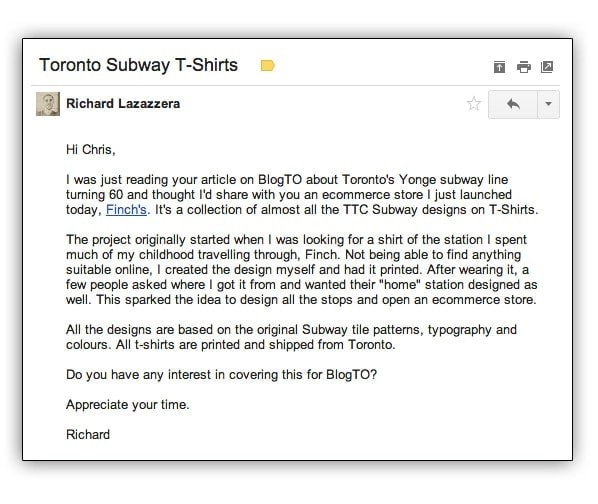
That strategy can still work today, but Creators have many more ways to reach an audience.
If you already have an audience, start there. Whether it's YouTube, TikTok, Instagram, an email list, or a Discord community, those channels give you a natural place to introduce your products.
Also, don't wait until launch day to start promoting the store. Share design concepts, product samples, and behind-the-scenes updates as you build. That gives people a reason to follow the journey and creates anticipation before the products go live.
Fourthwall's internal data reflects the importance of building your own audience. Around 71% of storefront traffic comes directly from the Creator or brand.

A Decade Later, the Opportunity Looks Even Better
When I launched my first t-shirt business, the goal was simple: build something in a day and see what happened.
I didn't expect it to generate sales. I didn't expect local media coverage. And I definitely didn't expect people to still be talking about it more than a decade later.
Looking back, the most interesting part wasn't the store itself. It was how quickly a simple idea connected with a specific group of people.
That opportunity still exists today.
The tools are better, the barriers to entry are lower, and launching a store takes far less time and money than it did when I started. But the fundamentals haven't changed.
People still buy products that reflect who they are, what they care about, and the communities they belong to.
If you've been thinking about starting a t-shirt business from home, you don't need a huge budget, inventory, or a perfect plan. You just need a good idea and a reason to start.
FAQs About Starting a T-Shirt Business
1. Can I start a t-shirt business without inventory?
Yes. That's one of the biggest advantages of print-on-demand. Products are only created after a customer places an order, so you don't need to buy inventory upfront or worry about storing unsold products. Platforms like Fourthwall make it possible to launch this way.
2. Is print-on-demand profitable?
It can be. Profitability depends on your niche, pricing, product selection, and how well you market your store. While print-on-demand margins are usually lower than buying inventory in bulk, it also requires far less upfront investment and carries much less financial risk.
3. What's the best t-shirt supplier?
The best supplier depends on your goals, but product quality should always come first. Look for reliable fulfillment, consistent print quality, strong customer reviews, and products you'd be happy to wear yourself.
4. How many designs should I launch with?
You don't need dozens of products to get started. A small collection of 3 to 10 strong designs is usually enough to test demand and gather feedback. It's better to launch a focused collection for a specific audience than a large catalog with no clear direction.
5. Can I use AI-generated designs?
Yes, but use AI as a creative tool rather than a replacement for original ideas. It's great for brainstorming concepts, exploring different directions, and speeding up parts of the design process. Before selling anything, make sure your designs don't infringe on copyrights, trademarks, or other intellectual property.
6. What's the best niche for a t-shirt business?
There isn't a single best niche. The strongest opportunities are usually found in communities with shared interests, identities, or experiences. Local communities, hobby groups, Creator audiences, and fan communities can all be great starting points. Focus on finding a group that already exists rather than trying to create demand from scratch.
7. Can I start a t-shirt business with no money?
Yes, although having a small budget gives you more flexibility. Many print-on-demand platforms, including Fourthwall, let you launch without buying inventory upfront. If you're starting with very little, focus on finding a niche, creating a few strong designs, and promoting them through free channels like social media, online communities, and word of mouth.
Richard is Head of Organic Growth at Fourthwall, with 14+ years of experience in the creator economy and ecommerce. He’s built businesses across the spectrum—from print-on-demand stores to custom cut-and-sew clothing lines, as well as selling digital products. He helps creators navigate merch strategy and build sustainable businesses.


.png)