
How Much Do Podcasters Make? Tips to Earn More
Show Me the Money! A Deep Dive into Podcasters' Diverse Earning Strategies


Podcasting has witnessed an unprecedented surge in popularity, attracting audiences with its diverse content and intimate storytelling.
However, amidst the thriving podcasting landscape, there's a persistent curiosity about how much podcasters make.
The income potential in podcasting varies widely, influenced by factors such as audience size, niche, monetization strategies, and industry trends, sparking interest and inquiries about the financial returns in this medium.
Podcasters navigate a variety of revenue streams, including advertising, sponsorships, listener donations, premium content or memberships, merchandise sales, and live events.
The intricacies of podcasting income raise questions and pique interest, driving deeper exploration of podcasters' financial prospects.
How Much Money Can Podcasts Make?
Podcasting income showcases a broad spectrum, from fledgling creators to established hosts with substantial followings.
Earning potential fluctuates, influenced by factors such as audience engagement, content quality, and effective monetization strategies.
When considering podcasters' earnings, the range is substantial. Depending on factors like download numbers and chosen revenue streams, podcasters can earn anywhere from $700 a month to $13,000 or even a couple of million.
For instance, a podcaster with 10,000 downloads per episode may earn an average of $500 to $900 monthly.
Understanding the dynamics of generating steady revenue is crucial for podcasters looking to thrive in the evolving landscape of podcast monetization.

Here are some podcast revenue statistics to consider for context:
- Globally, there are 464.7 million podcast listeners.
- In 2022, the podcasting market reached an impressive $18.52 billion.
- Projections estimate that the podcasting market revenue will soar to $130.63 billion by 2030.
- North America leads the podcasting market, accounting for over 39.1% of total revenue.
- Podcast advertising revenue is anticipated to surpass $4 billion in 2024.
- The cost for ad placement in a podcast slot is approximately $50.
- Podcasters can earn a minimum of $180 per episode for a single 30-second ad.
- 69% of podcasters who have been producing their shows for over 2 years have achieved successful monetization.
It’s important to note that podcasters can leverage various monetization avenues to generate revenue, such as advertising and sponsorships, listener donations and crowdfunding, premium content or membership subscriptions, merchandise sales and affiliate marketing, and live events and speaking engagements.
The most common method for podcasters to make money is through advertising, which remains the most effective and widely used approach.
Podcasters collaborate with companies or organizations to present advertised content, similar to social media influencers.
Notably, podcast advertising is growing at 72%, outpacing the overall online advertising market's 35% growth. In 2021, podcast advertising revenue exceeded $1 billion, with projections indicating it will surpass $4 billion in 2024.
To maximize podcasting potential, successful podcasters often combine advertising with other revenue-generating strategies, such as subscriptions, premium content, or affiliate marketing. This multifaceted approach enables them to create a steady income stream.
How Much Do Podcasters Make Per Episode?
Podcasters' earnings per episode vary significantly based on several factors.
Advertising revenue, sponsorships, listener support, and the podcast's popularity contribute to the income generated per episode.
Hosts with larger audiences and engaged listener bases tend to command higher advertising rates and secure more lucrative sponsorship deals, translating to higher earnings per episode.
How Long Does It Take For A Podcast To Make Money?
The timeline for a podcast to become profitable varies.
Starting from scratch, podcasters embark on a journey that involves building an audience, consistently delivering quality content, and implementing effective monetization strategies.
While some podcasts may monetize early through advertising or sponsorships, others might take longer to accrue revenue as they nurture and grow their listener base.
Tools That Can Help to Monetize Your Podcast
Tools and platforms play a huge role in helping podcasters turn listeners into actual income. Especially when discovery and monetization work together instead of living on separate islands.
Platforms like Fourthwall give podcasters complete control over memberships, premium content, and merch, while integrating directly with Spotify.
With Fourthwall’s Spotify integration, creators can publish both public and members-only episodes in a single Spotify feed.
Free episodes help grow your audience, while locked episodes appear with a padlock and prompt listeners to subscribe through Fourthwall, making it easy to convert casual listeners into paying supporters without disrupting the listening experience.
RSS.com serves as a reliable podcast hosting platform that supports distribution across major listening apps, including Spotify and Apple Podcasts.
With built-in analytics, easy feed management, and monetization-friendly features, RSS.com helps podcasters grow their audience while laying the groundwork for ads, sponsorships, and premium content strategies.
Meanwhile, Spotify for Creators offers podcasters an all-in-one dashboard for distribution, audience insights, and ad-based monetization.
Used together, these platforms allow podcasters to diversify income through ads, sponsorships, memberships, and premium content—creating a more stable, scalable podcast business rather than relying on a single revenue stream.
Which Are The Highest-Earning Podcasts?
There’s no question that podcasts have become an increasingly lucrative medium, with several shows making significant strides in terms of earnings across various genres and categories.
Here's a glimpse into some of the highest-earning podcasts and what contributes to their remarkable success:
The Joe Rogan Experience
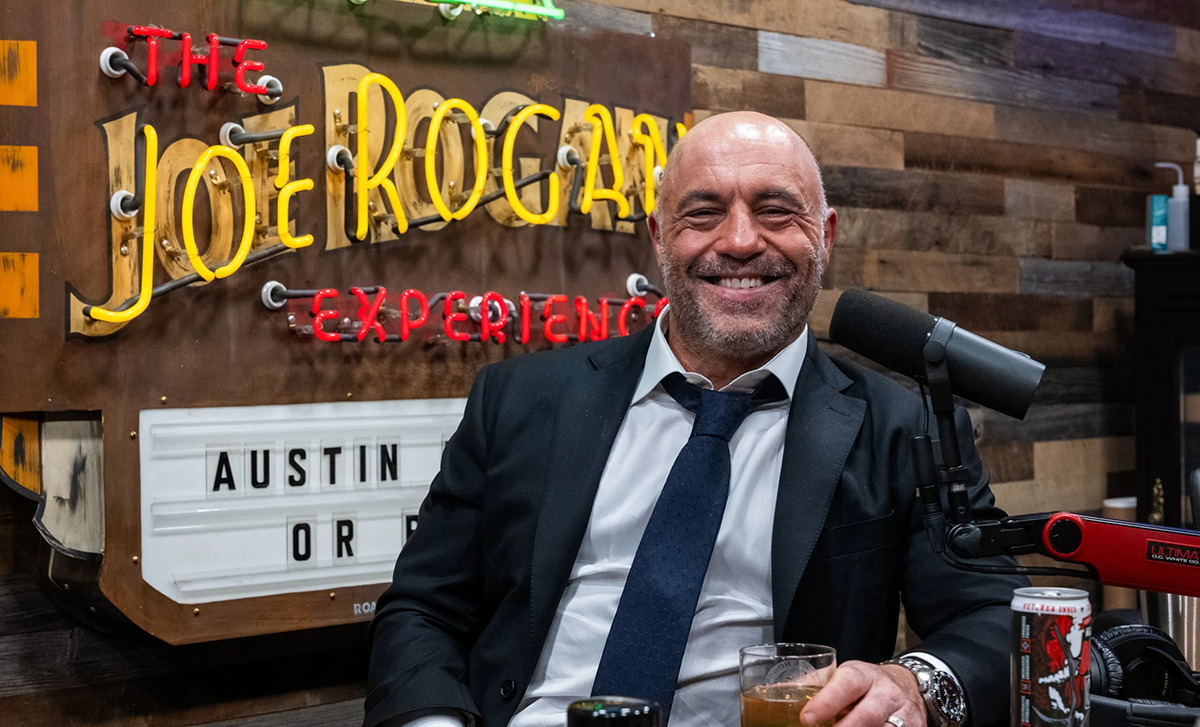
Networth: Up to $250 million
Hosted by comedian and commentator Joe Rogan, this popular podcast boasts an extensive library of episodes featuring diverse guests, including celebrities, scientists, and experts.
Known for its long-form, engaging conversations, Rogan's show has garnered a massive audience. Its success lies in Rogan's ability to create a comfortable environment where guests can express their thoughts openly, leading to candid, thought-provoking discussions.
This year, Rogan inked a new multiyear partnership deal with Spotify, reportedly worth up to $250 million. The deal will see the podcast, which was exclusively available on Spotify, be available on other audio platforms.
Bill Simmons Podcast

Networth: $100-150 million
Hosted by seasoned sports writer and commentator Bill Simmons, this podcast is celebrated for its engaging interviews, witty banter, and insightful analysis across a spectrum of topics, including sports, entertainment, politics, and technology.
Simmons' distinctive voice, accompanied by his vast knowledge and sharp wit, captivates listeners, making each episode a compelling and entertaining experience.
The show's success also stems from its diverse lineup of high-profile guests, including athletes, actors, and industry experts, which adds depth and variety to the discussions.
My Favorite Murder

Networth: $40 million
Hosted by Karen Kilgariff and Georgia Hardstark, My Favorite Murder stands out in the true crime genre with its blend of true crime storytelling and humor.
The hosts' engaging and relatable approach to discussing true crime cases has resonated strongly with audiences. The podcast's success is attributed to its unique style, which has fostered a devoted community of "murderinos."
This loyal following has translated into live events, merchandise sales, and partnerships, contributing significantly to its earnings.
Armchair Expert

Networth: $40 million
Hosted by actor Dax Shepard and co-host Monica Padman, Armchair Expert has gained widespread popularity for candid, insightful conversations with celebrities, journalists, and academics.
Known for its genuine and unfiltered discussions, Shepard and Padman navigate a wide range of topics, from personal anecdotes and mental health to societal issues and pop culture.
The show's appeal lies in its authentic, conversational style, which allows listeners to connect with the vulnerability and humor of hosts and guests alike.
Call Her Daddy

Networth: $30 million
Originally hosted by Alexandra Cooper and Sofia Franklyn, Call Her Daddy gained popularity for its candid, comedic discussions of sex and relationships.
The podcast, which initially launched under the Barstool Sports network, faced significant controversy when a dispute between the hosts and Barstool founder Dave Portnoy escalated into a public feud.
The conflict centered on contract negotiations and creative control, ultimately leading to a temporary hiatus and legal proceedings.
Following the dispute, Franklyn left the podcast in 2020, with Cooper continuing as the sole host.
Despite its tumultuous journey, the show has maintained its popularity with its classic “girl talk” approach to giving relationship advice and discussing embarrassing stories.
5 Strategies for Maximizing Your Podcast's Revenue
1. Audience Engagement Strategies
Building a loyal and engaged audience involves actively connecting with your audience through social media interactions, conducting Q&A sessions, and using listener polls to encourage participation and cultivate a sense of community.
By building a loyal, engaged listenership, you not only strengthen your connection with your audience but also create opportunities for increased monetization through avenues like advertising, sponsorships, and other revenue-generating strategies.
2. Consistent Quality Content
Delivering high-quality content consistently is pivotal in retaining audience interest and loyalty, ensuring they return for more engaging episodes.
By consistently providing valuable and engaging content, podcasters can not only captivate their audience but also foster a sense of reliability and expectation.
This dedication to quality not only enhances the overall listener experience but also positions the podcast favorably in attracting advertisers, sponsors, and other monetization avenues.
3. Optimizing Ad Revenue
Maximizing ad revenue involves strategically placing ads, negotiating sponsorship rates, and exploring different advertising platforms to expand monetization opportunities.
Being diligent in negotiating favorable rates and exploring various advertising channels contributes to overall revenue growth, making ad optimization a key element in the successful financial management of a podcast.
4. Diversifying Revenue Streams
Expanding revenue streams beyond advertising involves exploring a multifaceted approach, such as merchandise sales, exclusive content for paid subscribers, and affiliate marketing partnerships.
By diversifying income sources, podcasters can optimize their overall revenue, mitigate dependence on a single source, and broaden their financial foundation.
5. Effective Marketing Strategies
Expanding your podcast's reach requires effective marketing tactics such as cross-promotion with other podcasts, guest appearances, and collaborations with influencers to attract new listeners.
Leveraging these marketing tactics enhances visibility within diverse audiences, creating opportunities for increased viewership.
By connecting with other podcasters and influencers, your podcast can tap into existing fan bases, generating mutual and beneficial growth in audience size.
Make Money Podcasting with Fourthwall!

Are you ready to turn your passion for podcasting into a profitable venture?
Fourthwall is here to help you monetize your podcast with its comprehensive suite of services designed to empower podcasters like you to expand revenue streams and grow your audience.
With Fourthwall, you can:
- Launch a custom website: Create a professional online hub for your podcast where your audience can connect, engage, and explore everything you have to offer.
- Sell podcast-related merchandise: Offer branded items that resonate with your listeners and build your podcast's identity, while generating additional income.
- Monetize with memberships: Upload your podcast episodes directly to Fourthwall Memberships and give your fans exclusive access to premium content. Offer perks like bonus episodes, early access, ad-free listening, behind-the-scenes insights, or personalized shoutouts—turning your loyal listeners into paying supporters.
With Fourthwall Memberships, you have the freedom to structure your content and pricing however you want, ensuring your podcast is not only engaging but also financially rewarding.
Don’t miss the opportunity to grow your podcast’s earning potential. Explore Fourthwall’s offerings today and take the first step to making your podcast a profitable venture!
FAQ: Podcast Incomes
How much money can a podcast make?
Podcasts make anywhere from a few hundred dollars a month to six or seven figures a year, depending on audience size, niche, and how well the podcast host monetizes.
Shows that diversify income streams, ads, memberships, sponsorships, and affiliate marketing tend to earn more consistently over time.
How much do podcasters make per episode?
Podcast earnings per episode vary widely, but many podcasters earn between $180 and $900 per episode from ads alone.
Podcasts with strong listenership, loyal listeners, and premium offerings can significantly increase per-episode income through sponsors and subscriptions.
How many listeners do you need to make money podcasting?
You can start podcasting about money with as few as 500–1,000 listeners if your niche is specific and engaged.
While larger audiences attract advertisers more easily, smaller podcasts often monetize faster using donations, affiliate links, and premium content.
What is the most common way podcasts make money?
Advertising remains the most common way podcasts make money, with advertisers paying per episode or per thousand downloads.
Sponsorships and host-read ads are especially effective because listeners trust the podcast host more than traditional ads.
Matt Keyser is a writer at Fourthwall who lives at the intersection of social media and Creator culture. With 4+ years of experience covering industry trends, his work focuses on helping Creators and brands understand how to turn their passion into a thriving business while maintaining a constant pulse on the latest eCommerce and social media trends.


You might also like

8 Best TeePublic Alternatives for Artists in 2026

9 Best Printify Alternatives for Print-on-Demand in 2026

8 Best Spring (Teespring) Alternatives for Creators After Its Shutdown

30 Best Print on Demand Products for Creators in 2026 (From Tees to Plushies)

9 Best Kajabi Alternatives for Course Creators in 2026

What to Sell Online: How to Find a Product People Want

8 Best Spreadshirt Alternatives for Print-on-Demand in 2026

7 Best Sellfy Alternatives for Creators and Brands in 2026

27 Best Digital Products to Sell as a Creator

Keep up with the latest from Fourthwall
New features, product updates, trend breakdowns, and creator stories — straight to your inbox.